

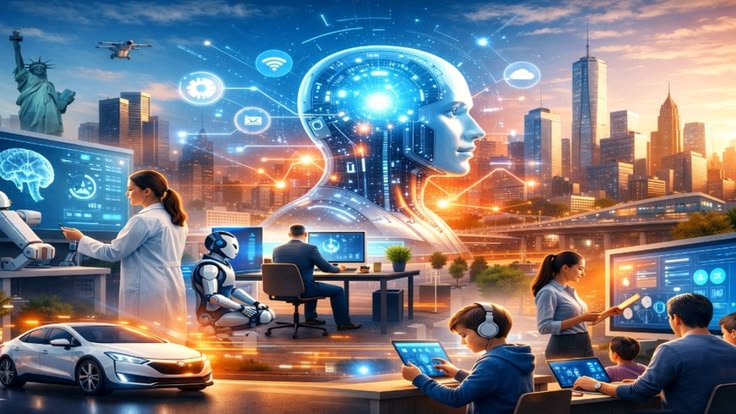
Technology has become deeply integrated into everyday life. From smartphones and smart homes to artificial intelligence, digital payments, online education, and connected transportation, technological innovation is changing how people communicate, work, learn, shop, travel, and entertain themselves.
What makes today’s technological transformation different is its speed and reach. Digital tools are no longer limited to specialized industries. They influence ordinary activities, often working quietly in the background to make decisions, automate tasks, provide information, and connect people.
Understanding how technology is reshaping everyday experiences helps us recognize both the opportunities and challenges created by an increasingly connected world.
Technology and Communication
Communication has perhaps experienced one of the most dramatic transformations.
People can now communicate instantly through messaging applications, video calls, email, and social networking platforms. Geographic distance has become less significant because individuals can maintain relationships with people across different countries and time zones.
Businesses also benefit from faster communication. Teams can collaborate through cloud-based platforms, share documents in real time, and hold virtual meetings without being in the same location.
However, constant connectivity can also create challenges. People may experience information overload, digital distractions, or pressure to remain available at all times.
The Rise of Smartphones
Smartphones have transformed from simple communication devices into multifunctional digital tools.
A single smartphone can serve as a camera, navigation system, payment device, entertainment platform, news source, personal organizer, learning tool, and communication center.
Mobile applications allow users to perform tasks that once required separate devices or physical locations. Banking, shopping, transportation, education, and entertainment can now be accessed from almost anywhere.
Artificial Intelligence in Everyday Life
Artificial intelligence is increasingly becoming part of ordinary digital experiences.
AI can recommend products, suggest music and videos, improve search results, translate languages, identify spam messages, assist with navigation, and provide personalized recommendations.
Generative AI has expanded these capabilities further by allowing users to create text, images, software, summaries, and other digital content.
As AI becomes more integrated into applications, people may interact with intelligent systems without always realizing how much automation is taking place behind the scenes.
Technology and Work
Technology has transformed the workplace by introducing digital communication, automation, cloud computing, data analytics, and remote collaboration.
Employees can work with colleagues located in different countries and access company systems from multiple locations.
Automation can reduce repetitive administrative work, allowing employees to focus on more complex responsibilities. At the same time, workers increasingly need digital skills to remain competitive in changing industries.
The future of work will likely involve greater collaboration between humans and intelligent technologies.
Remote and Hybrid Work
The growth of high-speed internet and cloud-based software has made remote work possible for millions of professionals.
Video conferencing, digital project management systems, instant messaging, and cloud document storage allow teams to collaborate without sharing the same physical office.
Hybrid work combines remote and office-based arrangements, providing employees with greater flexibility while allowing organizations to maintain face-to-face collaboration when necessary.
Technology and Education
Education has become more accessible through digital technology.
Students can attend virtual classes, access online libraries, watch educational videos, use interactive learning platforms, and communicate with teachers through digital systems.
Artificial intelligence can also provide personalized learning experiences by adapting educational content to individual needs.
However, technology does not automatically improve education. Students still need effective teaching, critical thinking, motivation, and guidance.
Digital Healthcare
Technology is changing healthcare through electronic medical records, telemedicine, wearable devices, remote monitoring, and AI-assisted analysis.
Patients can increasingly communicate with healthcare providers remotely, while wearable devices can collect information about physical activity, heart rate, sleep patterns, and other measurements.
These developments can improve convenience and access, but they also raise important questions about privacy, cybersecurity, data ownership, and the appropriate use of automated systems.
Smart Homes
Smart home technology allows household systems to communicate with one another.
Smart thermostats can adjust temperatures automatically, connected lighting systems can respond to schedules or movement, and security cameras can send alerts to smartphones.
Smart appliances can also monitor usage and provide information about maintenance or energy consumption.
The goal is to create homes that are more convenient, efficient, secure, and responsive.
Technology and Transportation
Transportation has become increasingly digital.
GPS navigation helps people find efficient routes, while ride-sharing applications connect passengers with drivers. Digital ticketing makes public transportation easier to access, and electric vehicles are introducing new approaches to transportation.
Advanced driver-assistance systems can also improve safety by providing features such as automatic emergency braking, lane assistance, and adaptive cruise control.
Future developments in autonomous transportation could further transform how people travel.
Digital Payments
Cashless payments have become an important part of modern life.
Mobile wallets, contactless cards, online banking, and digital payment platforms allow consumers to pay for products and services quickly.
Online shopping has also made it possible to purchase goods from businesses located around the world.
While digital payments offer convenience, users must remain aware of cybersecurity risks, fraud, identity theft, and privacy concerns.
Technology and Shopping
E-commerce has changed the traditional shopping experience.
Consumers can compare products, read reviews, check prices, place orders, and track deliveries without visiting physical stores.
Recommendation algorithms can also personalize shopping experiences by suggesting products based on previous activity.
Physical retailers are responding by combining digital tools with traditional shopping through mobile applications, online ordering, automated checkout, and personalized customer services.
Entertainment in the Digital Age
Entertainment has shifted dramatically from physical media toward digital platforms.
Streaming services provide instant access to movies, television programs, music, podcasts, games, and other content.
Social media has also transformed entertainment by allowing individuals to create and distribute content themselves.
This has lowered barriers to becoming a content creator while creating new challenges involving misinformation, copyright, digital addiction, and content moderation.
Social Media and Human Relationships
Social media has created new ways for people to maintain relationships and build communities.
Individuals can share experiences, discuss interests, participate in global conversations, and discover communities that may not exist locally.
However, online interactions do not always provide the same emotional depth as face-to-face communication. Excessive social media use can also contribute to distraction, comparison, and reduced privacy.
Healthy digital habits are therefore increasingly important.
Technology and Personal Productivity
Digital tools can improve productivity by helping people organize tasks, manage schedules, store information, and automate repetitive activities.
Calendar applications, task managers, note-taking tools, AI assistants, and collaboration platforms allow individuals to manage complex workloads more efficiently.
However, having too many digital tools can create the opposite effect. Constant notifications and interruptions may reduce concentration.
Technology is most useful when it supports clear goals rather than creating unnecessary complexity.
The Internet of Things
The Internet of Things connects physical objects to digital networks.
Examples include smart watches, connected vehicles, home security systems, industrial sensors, and smart appliances.
These devices can collect and exchange data, allowing systems to respond automatically to changing conditions.
As IoT adoption increases, everyday environments may become increasingly intelligent and responsive.
Technology and Financial Management
Digital financial tools make it easier for individuals to monitor spending, transfer money, pay bills, and manage budgets.
Mobile banking provides access to financial services without requiring frequent visits to physical branches.
Financial applications can also analyze spending patterns and provide automated insights.
However, users should carefully protect financial credentials and understand how financial data is collected and stored.
Technology and Personalization
Modern technology increasingly adapts to individual preferences.
Streaming platforms recommend content, online stores suggest products, navigation applications predict routes, and search engines customize results.
Personalization can make digital experiences more convenient, but it also depends on collecting and analyzing user data.
This creates an ongoing debate between convenience and privacy.
Privacy in a Connected World
As technology becomes more integrated into daily life, people generate enormous amounts of digital information.
Search activity, location information, purchases, communications, and interactions with digital services can all create data trails.
Protecting privacy therefore requires users to understand permissions, account security, data-sharing policies, and privacy settings.
Businesses also have a responsibility to handle personal information responsibly and transparently.
Cybersecurity and Everyday Technology
The increasing dependence on technology has made cybersecurity an everyday concern.
Phishing, malware, account theft, identity fraud, and data breaches can affect ordinary users.
Basic practices such as using strong passwords, enabling multi-factor authentication, updating software, and avoiding suspicious links can significantly improve digital security.
Cybersecurity is no longer only an issue for large corporations. It is an important part of everyday digital life.
Technology and Accessibility
Technology can improve accessibility for people with disabilities.
Screen readers, voice recognition, automated captions, magnification tools, adaptive devices, and other assistive technologies can help people interact with digital environments.
Accessible design benefits a broader population as well by making technology easier to use for people with different abilities and circumstances.
Environmental Effects of Technology
Technology can support sustainability through renewable energy systems, smart electricity grids, efficient transportation, and intelligent resource management.
At the same time, producing electronic devices requires raw materials and energy. Electronic waste is another major environmental challenge.
Responsible manufacturing, recycling, repair, and longer product lifespans can help reduce technology’s environmental footprint.
The Digital Divide
Not everyone has equal access to technology.
Differences in internet availability, device affordability, digital skills, and infrastructure can prevent some communities from benefiting from technological developments.
Reducing the digital divide requires investment in broadband infrastructure, affordable devices, education, and digital literacy.
The Importance of Digital Literacy
Digital literacy is becoming as important as traditional literacy in many areas of life.
People need to understand how to search for reliable information, protect their accounts, recognize scams, evaluate online content, and use digital tools effectively.
Critical thinking is particularly important because technology makes it easier to encounter misinformation and manipulated content.
How Technology Is Changing Human Behavior
Technology does more than provide tools; it can influence behavior.
People may check their phones frequently, rely on digital navigation, communicate through short messages, or expect immediate access to information.
These changes can improve convenience but may also affect attention spans, social interactions, and decision-making habits.
The challenge is finding a healthy balance between technological convenience and human needs.
The Future of Everyday Technology
Future technological developments are likely to make digital systems even more integrated into daily experiences.
Artificial intelligence, robotics, augmented reality, smart infrastructure, wearable devices, autonomous transportation, and advanced connectivity could change how people interact with homes, workplaces, cities, and services.
The most important development may not be a single device but the increasing integration of multiple technologies into connected ecosystems.
Conclusion
Technology is reshaping everyday human experiences by changing how people communicate, work, learn, shop, travel, manage money, access healthcare, and entertain themselves. Digital systems have made many activities faster and more convenient while creating new opportunities for collaboration, education, productivity, and accessibility.
However, technological progress also introduces challenges involving privacy, cybersecurity, misinformation, digital dependency, environmental sustainability, and unequal access.
The future will therefore depend not only on developing more advanced technologies but also on learning how to use them responsibly. When combined with digital literacy, thoughtful regulation, strong security, and human-centered design, technology can continue improving everyday life while supporting a more connected and adaptable society.
Frequently Asked Questions
How is technology changing everyday life?
Technology is making communication, shopping, banking, transportation, education, healthcare, entertainment, and work more accessible and convenient through digital platforms and connected devices.
What role does AI play in everyday life?
AI powers many everyday services, including search engines, recommendation systems, navigation, language translation, customer support, content creation, and digital assistants.
How has technology changed communication?
People can communicate instantly through messaging, email, video calls, and social media, reducing the importance of geographical distance.
Is technology making people more productive?
Technology can improve productivity by automating repetitive tasks and helping people organize information and workflows. However, excessive notifications and digital distractions can reduce productivity.
What are the biggest risks of modern technology?
Major concerns include cybersecurity threats, privacy loss, misinformation, excessive screen use, digital dependency, job disruption, and unequal access to technology.
How does technology affect education?
Digital technology provides access to online courses, research materials, virtual classrooms, educational applications, and personalized learning tools.
Why is digital literacy important?
Digital literacy helps people use technology effectively, recognize unreliable information, avoid scams, protect personal information, and make informed decisions online.
How will technology affect the future?
Technology is likely to become increasingly integrated into homes, workplaces, transportation, healthcare, education, and public infrastructure through AI, robotics, IoT, and advanced connectivity.
Can technology improve accessibility?
Yes. Assistive technologies such as screen readers, voice controls, captions, and adaptive devices can make digital environments more accessible.
What is the biggest challenge of technological progress?
One of the biggest challenges is balancing technological innovation with human needs, privacy, security, equality, environmental responsibility, and ethical decision-making.