

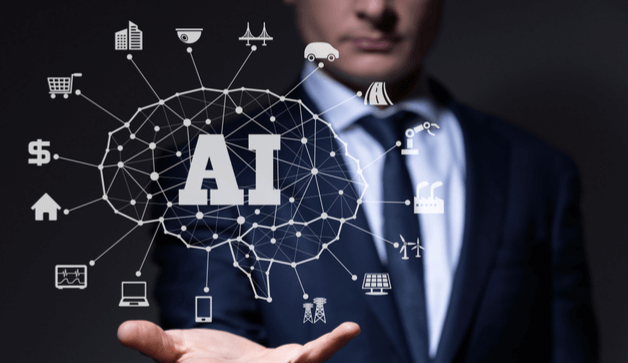
Introduction to Artificial Intelligence in Business
Artificial Intelligence (AI) encompasses a range of technologies and methodologies that enable machines to mimic human-like cognitive functions. By leveraging algorithms and vast data sets, AI applications can analyze information, learn from experiences, and make informed decisions. This growing field is increasingly influencing the business landscape, offering innovative solutions to enhance efficiency, productivity, and customer satisfaction.
One of the primary applications of AI in business is automation. Businesses utilize AI-powered systems to streamline processes, reduce manual tasks, and increase operational efficiency. For instance, AI can automate customer service through chatbots, enabling organizations to provide 24/7 support while minimizing labor costs. Additionally, predictive analytics powered by AI allows businesses to forecast market trends, customer preferences, and inventory needs, contributing to more informed strategic planning.
AI is also revolutionizing sectors such as healthcare, finance, and manufacturing. In healthcare, AI algorithms assist in diagnosing diseases and personalizing treatment plans, leading to improved patient outcomes. The financial sector benefits from AI through enhanced fraud detection systems, risk assessment models, and algorithm-driven investment strategies. Meanwhile, manufacturing employs AI for quality control, supply chain optimization, and predictive maintenance, significantly reducing operational downtimes.
As AI continues to evolve, its integration into various business functions is expected to deepen. Organizations are exploring advanced machine learning, natural language processing, and computer vision technologies to derive insights and drive innovation. The convergence of AI with other technologies, such as the Internet of Things (IoT) and big data analytics, presents further opportunities for transformation, making it essential for businesses to adapt and harness the potential of AI effectively.
Enhancing Operational Efficiency
Artificial Intelligence (AI) technologies are increasingly being integrated into business operations, significantly enhancing operational efficiency. With advancements in machine learning, natural language processing, and robotics, organizations are finding innovative ways to streamline workflows and automate repetitive tasks. This integration allows businesses to focus on strategic initiatives while AI handles routine processes efficiently.
One notable example of AI enhancing operational efficiency can be observed in the manufacturing sector. Several companies have adopted AI-driven predictive maintenance systems that analyze data from machinery and equipment. These systems predict potential failures and recommend maintenance schedules, reducing downtime and ensuring that operations continue smoothly. For instance, by employing AI tools, one prominent car manufacturer reported a 20% reduction in unexpected equipment failures, translating into significant cost savings and improved productivity.
In the realm of customer service, AI-powered chatbots have revolutionized how businesses approach customer interactions. These chatbots can handle a multitude of inquiries simultaneously, significantly reducing the workload on human agents. A leading e-commerce firm implemented an AI chatbot that could resolve 60% of customer queries without human intervention. This not only led to faster response times and improved customer satisfaction but also allowed employees to dedicate more time to complex queries that require a human touch.
Moreover, AI is transforming decision-making processes by providing data-driven insights. Organizations leverage AI algorithms to analyze large datasets, identifying patterns and trends that inform strategic decisions. For example, a financial institution utilized AI analytics to assess credit risk more accurately, leading to better lending decisions and a significant decrease in default rates. The ability to harness data efficiently allows businesses to respond to market changes promptly and stay ahead of the competition.
AI in Customer Relationship Management
Artificial Intelligence (AI) is revolutionizing Customer Relationship Management (CRM) by enabling businesses to harness vast amounts of customer data to enhance interactions and foster loyalty. Through sophisticated analytics, AI can identify patterns and trends in consumer behavior, allowing companies to tailor their services and communication strategies to meet the specific needs of their customers. This personalized approach not only improves customer satisfaction but also drives repeat business and enhances overall customer experience.
One of the key features of AI in CRM is its ability to predict customer needs through data analysis. Machine learning algorithms analyze historical data, enabling businesses to forecast potential customer queries or concerns before they arise. This predictive capability means that companies can proactively address customer issues and provide relevant solutions, effectively reducing customer effort and preventing dissatisfaction.
In addition to predictive analytics, AI-powered chatbots and virtual assistants play an essential role in modern CRM. These tools provide immediate responses to customer inquiries, thereby streamlining communication processes. By utilizing natural language processing, these AI systems can understand and respond to customer questions in real-time, delivering accurate information and support around the clock. This instant assistance not only enhances engagement but also allows human agents to focus on more complex customer interactions, further elevating the quality of service provided.
Moreover, the integration of AI into CRM systems ensures that businesses can accumulate and analyze data continuously. As AI systems learn from interactions, they refine their algorithms, improving the personalization of customer experiences over time. Overall, AI’s influence on customer relationship management is profound; it enhances engagement, fosters loyalty, and ultimately drives customer satisfaction. By effectively leveraging AI technology, businesses can solidify their relationships with customers, paving the way for long-term success in a competitive market.
Data-Driven Decision Making
In today’s dynamic business landscape, organizations are increasingly turning to artificial intelligence (AI) to enhance their decision-making processes. One of the most significant contributions of AI is its ability to foster data-driven decision making by analyzing vast volumes of data effectively and efficiently. By leveraging AI algorithms, businesses can extract meaningful insights that not only illuminate current conditions but also help forecast future trends.
The core of AI’s application in data-driven decision making lies in predictive analytics and data modeling. Predictive analytics utilizes historical data combined with AI techniques to identify patterns and predict future outcomes. For instance, businesses can evaluate customer behaviors, market trends, and economic indicators through these advanced analytics, enabling them to adapt their strategies proactively. The integration of AI enables organizations to make sense of complex data sets, streamlining the decision-making process significantly.
Furthermore, data modeling, a critical aspect surrounding AI, allows organizations to create representations of their businesses and various operational variables. Through sophisticated simulations, organizations can test scenarios and observe potential impacts before implementation. This capacity to visualize multiple outcomes ensures that managers are equipped with comprehensive insights during strategic planning sessions, leading to better-informed decisions. Instead of relying solely on intuition or incomplete data, stakeholders can access data-driven insights that foster confidence and clarity.
As AI technology continues to evolve, its role in aiding data-driven decision making will only expand. Organizations that embrace these methodologies stand to gain a competitive advantage, making decisions that are not just reactive but also strategically proactive. Ultimately, the infusion of AI into the decision-making pipeline underscores the growing importance of analytics in the corporate environment, paving the way for a more informed and agile business future.
AI for Marketing and Sales Strategies
Artificial Intelligence (AI) has become an indispensable tool in refining marketing and sales strategies for businesses across various industries. Through advanced algorithms and machine learning, AI facilitates the creation of highly targeted advertising campaigns. By analyzing extensive data sets, AI tools can identify customer demographics, preferences, and behaviors, which enables marketers to craft messages that resonate effectively with the intended audience. This targeted approach significantly improves the chances of conversion, as advertisements can be customized in real-time based on user interactions and engagement levels.
Furthermore, customer segmentation has witnessed a transformation with the integration of AI technologies. AI enables businesses to categorize their customer base into distinct segments based on purchasing patterns, interests, and other behavioral indicators. This segmentation allows marketers to tailor communication and offers to meet the unique needs of each group, thereby enhancing customer satisfaction and loyalty. The precision of AI-driven segmentation increases the efficiency of marketing campaigns, which can lead to better overall performance.
Lead scoring is another crucial aspect of sales strategy that benefits from AI applications. Machine learning models can analyze past customer interactions and predict which leads are more likely to convert. This prioritization helps sales teams focus their efforts on high-potential prospects, optimizing their time and resources. AI-powered lead scoring systems continually learn and adapt based on new data, ensuring that sales strategies remain relevant and effective.
Moreover, AI tools provide valuable insights through real-time data analysis, which further enhances marketing efforts. By continuously monitoring campaign performance, these tools enable marketers to make immediate adjustments, optimizing the return on investment (ROI). Overall, the integration of AI in marketing and sales strategies not only streamlines operations but also drives significant growth by leveraging data-driven decision-making.
The Future of Work with AI
As artificial intelligence (AI) continues to evolve, its integration into workplace dynamics brings both significant opportunities and challenges for the future of work. With the advent of AI technologies, businesses can streamline operations, enhance productivity, and foster innovation. Tasks that were once time-consuming and manual can now be automated, allowing employees to focus on more strategic initiatives that require human creativity and critical thinking.
Despite these advantages, the transition to an AI-driven work environment presents challenges, particularly regarding the workforce. Job roles are rapidly evolving as AI systems take over routine functions, which may lead to concerns over job displacement. In some sectors, automation is expected to enhance roles rather than replace them, requiring a shift in how employees perceive their contributions to the organization. This shift emphasizes the need for workers to adapt and evolve in tandem with these technological advancements.
Moreover, the increasing reliance on AI in business necessitates the reskilling of employees. Organizations must invest in training programs that focus on developing skills aligned with AI technologies. This includes recognizing the importance of soft skills, such as emotional intelligence and collaboration, which are increasingly valuable in an AI-enhanced workplace. By equipping the workforce with the necessary skills, businesses can create a harmonious environment where humans and AI systems coexist, each complementing the other’s strengths.
In summary, the future of work with AI is poised to redefine traditional organizational structures and roles. While there are concerns regarding job displacement, the potential for enhanced productivity and the emergence of new job roles signify the need for proactive approaches to workforce development. Embracing AI offers a pathway for businesses to innovate and flourish, provided they prioritize the reskilling of their workforce to adapt to the changes ahead.
Ethical Considerations and Challenges in AI Implementation
The implementation of artificial intelligence (AI) technologies in business necessitates a careful consideration of various ethical challenges. As organizations increasingly leverage AI to enhance decision-making, optimize operations, and personalize customer experiences, the ethical implications of these technologies cannot be overlooked. One of the primary concerns is data privacy, where the vast amounts of data collected and analyzed by AI systems can inadvertently lead to breaches of personal information. Businesses must ensure that they adhere to relevant regulations, such as the General Data Protection Regulation (GDPR), to maintain consumer trust and comply with legal standards.
Another significant issue related to AI implementation is algorithmic bias. AI systems are trained on historical data, and if this data contains biases, the resulting algorithms may perpetuate or even amplify these biases, leading to unfair outcomes in areas like hiring, lending, and law enforcement. Businesses must actively engage in practices to recognize, mitigate, and rectify these biases to ensure that their AI applications yield equitable results across all demographics. This may involve diversifying training datasets and maintaining an ongoing review process of AI outputs.
Furthermore, the question of accountability arises in AI systems’ decision-making processes. When an AI system makes a mistake, it can be challenging to identify who is responsible—the developers, the users, or even the AI itself. This ambiguity can lead to significant ethical dilemmas and liability issues. Establishing transparent accountability frameworks is essential, allowing businesses to chart clear responsibility in instances of AI failure or adverse consequences.
Finally, as AI technologies continue to evolve, the establishment of robust ethical guidelines becomes imperative. These guidelines should promote transparency, fairness, and accountability in AI deployment, thereby ensuring that organizations align their AI strategies with broader societal values and ethical standards. By addressing these ethical considerations proactively, businesses can harness the power of artificial intelligence while safeguarding human rights and societal norms.
Case Studies of Successful AI Integration
Artificial Intelligence (AI) has made significant inroads in various industries, demonstrating its capability to enhance operational efficiency, improve customer satisfaction, and boost profitability. This section explores several real-world case studies, showcasing how different organizations have effectively integrated AI into their operations, resulting in substantial benefits.
One prominent example is IBM’s Watson, which has been successfully applied in the healthcare sector. By assisting medical professionals in diagnosing diseases and recommending treatment options, Watson analyzes large datasets of patient records and medical literature to provide insight-driven solutions. Hospitals using Watson have reported improved diagnostic accuracy and reduced treatment times, illustrating the transformative effect of AI on healthcare delivery.
In the retail sector, companies like Amazon have seamlessly integrated AI into their logistics and customer service processes. Amazon utilizes machine learning algorithms to optimize its supply chain operations, ensuring timely delivery of products to customers. Additionally, AI-driven recommendation engines enhance the shopping experience by suggesting products tailored to individual customer preferences. This combination of efficiency and personalization has strengthened customer loyalty and significantly increased sales.
Furthermore, the automotive industry has seen revolutionary changes through AI integration. Tesla, for instance, employs AI algorithms in its autonomous driving technology. By processing data from numerous sensors, Tesla’s vehicles can navigate complex driving environments with a high degree of accuracy. This advancement not only showcases the potential of AI in enhancing vehicle safety but also solidifies Tesla’s position as a leader in innovation within the automotive market.
These case studies exemplify how diverse organizations from healthcare to retail and automotive industries are leveraging AI to gain a competitive edge. The successful integration of AI not only streamlines processes but also catalyzes innovation, leading to substantial improvements across various facets of business operations.
Conclusion: The Future of AI in Business
As we navigate through an era increasingly dominated by technological advancements, the role of artificial intelligence (AI) in business cannot be overstated. Throughout this discussion, we have delved into how AI enhances operational efficiency, drives innovation, and improves decision-making. The impact of AI tools is profound and multifaceted, fundamentally reshaping traditional business models and practices.
Businesses that effectively integrate AI solutions are not only able to optimize their processes but also foster a culture of data-driven decision-making. The use of machine learning algorithms allows companies to predict market trends with greater accuracy, thereby enabling them to adapt quickly to shifting consumer preferences. Furthermore, AI-driven analytics facilitates personalized customer experiences, which can significantly elevate brand loyalty and engagement.
In light of these advantages, it is evident that organizations must embrace AI technologies to maintain a competitive edge. This entails being proactive in adopting relevant AI applications while also addressing the ethical and regulatory challenges that accompany such advancements. From enhancing customer service interactions through chatbots to streamlining supply chain management, the potentials are vast and varied.
Looking ahead, the synergy between AI and human intelligence will likely define the future of business. Automation will not replace the need for human oversight but rather augment it, allowing employees to focus on more strategic initiatives. Thus, businesses that prioritize AI integration will be better equipped to respond to market dynamics and capitalize on emerging opportunities.
To remain relevant in this rapidly transforming landscape, it is imperative for companies to assess their AI readiness and invest in the necessary resources. By doing so, they position themselves not only for success in today’s digital economy but also for sustainable growth in the future.