

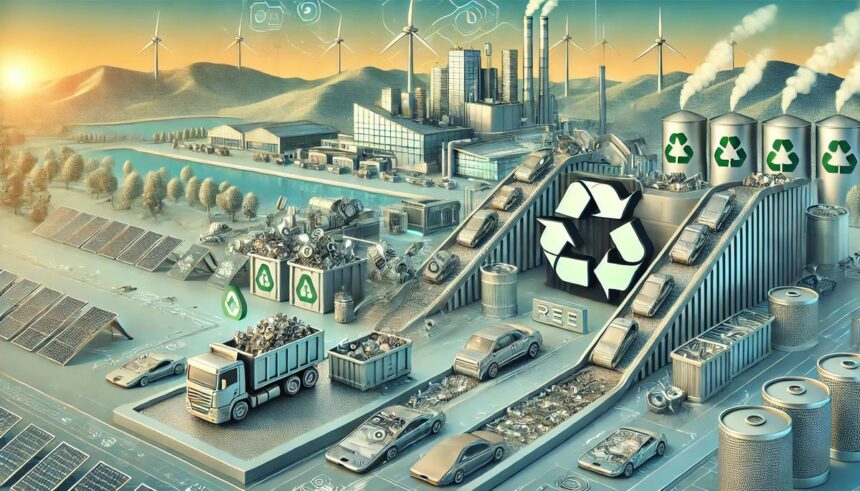
Recycling is more than just a buzzword; it’s a vital practice that shapes our relationship with the planet. As we grapple with rising waste levels and environmental degradation, understanding recycling’s role becomes increasingly crucial. Every bottle, can, or piece of paper recycled contributes to reducing waste in landfills and conserving natural resources.
Imagine a world where materials are reused instead of discarded—a circular economy thriving on sustainability. This vision is within reach if we embrace effective recycling systems. Join us as we explore how these systems not only lessen our environmental footprint but also pave the way for a healthier planet for future generations.
Current State of Waste Management and Environmental Impact
The current state of waste management reveals a troubling reality. Landfills are overflowing, and many communities struggle to keep pace with rising waste generation. Plastic pollution is particularly alarming; oceans become dumping grounds for single-use plastics.
Despite advancements in recycling technologies, the global recycling rate remains low. Many materials end up incinerated or buried instead of being repurposed. This not only wastes resources but also contributes significantly to greenhouse gas emissions.
Moreover, hazardous waste continues to pose risks. Improper disposal can lead to soil contamination and health issues for nearby residents.
Education around sustainable practices is still lacking in many areas, leading to misguided efforts that hinder progress towards effective solutions. It’s clear that without significant change, our environment will face dire consequences down the line as natural ecosystems struggle under the weight of human consumption patterns.
Benefits of Implementing Recycling Systems
Implementing recycling systems offers numerous advantages for both the environment and communities. One key benefit is the reduction of landfill waste. By diverting materials from landfills, we minimize harmful emissions and conserve valuable land.
Recycling also saves energy. Producing new products from recycled materials typically requires less energy than creating them from raw resources. This leads to lower carbon footprints and a more sustainable use of our planet’s resources.
Economic growth is another significant advantage. Recycling creates jobs in collection, processing, and manufacturing sectors. Communities can thrive as they adopt a circular economy approach that emphasizes reusing materials rather than discarding them.
Moreover, recycling fosters environmental awareness among individuals and businesses alike. It encourages responsible consumption habits and promotes community engagement in sustainability efforts, paving the way for a greener future together.
Examples of Successful Recycling Programs
Cities around the world have embraced innovative recycling programs with impressive results. For instance, San Francisco has consistently led in waste diversion efforts. Its city-wide initiative aims for zero waste by 2030, incorporating education and accessible drop-off locations.
In Sweden, recycling is a way of life. Their advanced system allows residents to sort their trash into dozens of categories, leading to an extraordinary recycling rate of over 99%. The country even converts non-recyclable waste into energy through incineration.
Australia offers another example with its Container Deposit Scheme. This program incentivizes people to return bottles and cans for a small refund, significantly reducing litter while promoting recycling behaviors among communities.
These examples showcase how tailored approaches can lead to substantial improvements in recycling rates. Each program reflects local needs and encourages community involvement, proving that success often lies in adaptation and creativity.
Challenges and Solutions for Effective Recycling Systems
Recycling systems face several challenges that hinder their effectiveness. One major issue is contamination. When non-recyclable materials mix with recyclables, it compromises the entire batch, leading to increased costs and wasted resources.
Another significant challenge is public awareness. Many individuals remain unaware of proper recycling practices or the importance of separating waste correctly. This lack of knowledge results in lower participation rates.
To combat these issues, education campaigns can play a crucial role. Informing communities about what can be recycled and how to do it properly will enhance participation.
Additionally, utilizing technology can streamline sorting processes at recycling facilities. Advanced machinery can help identify and separate materials more efficiently than manual labor alone.
Collaboration between governments, businesses, and local organizations is vital as well. By working together on innovative solutions, we can foster a culture that prioritizes effective recycling practices for a sustainable future.
How Individuals Can Help Improve Recycling Efforts
Every individual plays a vital role in enhancing recycling efforts. It starts with understanding what materials can be recycled and how to sort them correctly. Knowledge is power, so take the time to learn your local recycling guidelines.
Participate actively in community clean-up events. These initiatives not only promote awareness but also foster a sense of responsibility toward the environment.
Consider reducing waste at home by choosing products with minimal packaging or opting for reusable alternatives. This simple shift can significantly lower the volume of trash that ends up in landfills.
Educating others about recycling practices is equally important. Share tips on social media or engage friends and family in discussions about sustainable habits.
Volunteer for local groups focused on environmental sustainability. Collaborating with like-minded individuals amplifies impact and spreads valuable knowledge throughout your community.
Conclusion on the Future of Environmental Sustainability through Recycling
The future of environmental sustainability hinges significantly on our approach to recycling. As societies become more aware of the dire consequences of waste mismanagement, the push for robust recycling systems intensifies. Communities that embrace innovative strategies not only reduce landfill contributions but also foster a culture of responsibility and stewardship.
Emphasizing education and accessibility will be crucial in this endeavor. By equipping individuals with knowledge about proper recycling practices, we empower them to make informed decisions that benefit both their immediate surroundings and the planet at large. Technological advancements can also play a pivotal role in enhancing efficiency within recycling processes, ensuring materials are reused effectively.
Moreover, collaboration between governments, businesses, and citizens is vital for creating sustainable frameworks that support long-term initiatives. Every effort counts—whether it’s local clean-up projects or widespread campaigns promoting recyclable products.
As we navigate through increasing environmental challenges, embracing comprehensive recycling systems represents one practical pathway towards a healthier planet. The commitment to these practices today sets the foundation for future generations to thrive in a world where sustainability is not just an ideal but an everyday reality.