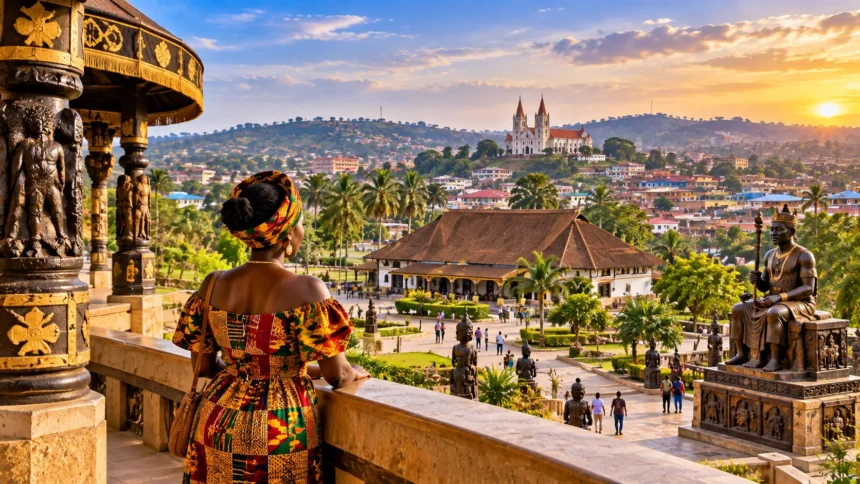
Kumasi is one of Ghana’s most fascinating cities, known for its rich cultural heritage, traditional markets, historical landmarks, and welcoming atmosphere. Located in the Ashanti Region, the city serves as an important center of Asante history and traditions. Visitors can explore royal palaces, discover beautiful handicrafts, and experience authentic Ghanaian culture. Its combination of historical attractions and lively urban life makes Kumasi a memorable travel destination.
The best things to do in Kumasi include visiting Manhyia Palace Museum, exploring Kejetia Market, discovering traditional craft villages, and enjoying nearby natural attractions. The city offers interesting experiences for history enthusiasts, cultural travelers, and nature lovers. From colorful kente weaving workshops to the peaceful surroundings of Lake Bosomtwe, there are many exciting places worth exploring.
This Kumasi travel guide highlights the city’s most important attractions, cultural experiences, and nearby destinations. You will discover fascinating museums, traditional markets, beautiful landscapes, and useful travel tips. Whether you are planning a short city break or a longer journey through Ghana, Kumasi offers opportunities to explore the country’s remarkable history and cultural traditions.
Explore Manhyia Palace Museum and Asante Royal History
Manhyia Palace Museum is one of the most important historical attractions in Kumasi. The museum provides valuable insights into the history, leadership, and cultural traditions of the Asante Kingdom. Located within the Manhyia Palace area, it occupies a building that previously served as a royal residence. Visitors can explore fascinating exhibitions while learning about the kingdom’s historical influence in Ghana.
The museum contains royal photographs, historical objects, ceremonial items, and displays connected with past Asante rulers. Exhibitions explain the importance of traditional leadership and the cultural significance of royal symbols. Visitors can also learn about the historical relationship between the Asante Kingdom and British colonial authorities. Guided tours provide additional context about the museum’s collections and historical narratives.
A visit to Manhyia Palace Museum is particularly rewarding for travelers interested in African history and traditional governance. The museum underwent significant improvements in 2024, including exhibitions featuring important Asante royal artifacts. Visitors should check current opening arrangements and exhibition availability before arriving. Spending one or two hours here offers a meaningful introduction to Kumasi’s royal heritage.
Visit Kejetia Market for an Authentic Shopping Experience
Kejetia Market is one of Kumasi’s busiest commercial centers and an important part of everyday city life. Known for its enormous network of stalls and trading areas, the market attracts shoppers from different parts of Ghana. Visitors can discover colorful textiles, traditional clothing, fresh produce, and household products. Exploring Kejetia provides an exciting introduction to the city’s energetic atmosphere.
The market is particularly interesting for travelers who want to experience traditional Ghanaian shopping culture. Vendors sell beautiful fabrics, handcrafted products, accessories, and locally prepared foods. Walking through the trading areas reveals the importance of commerce in Kumasi’s daily life. The variety of products and lively conversations create a distinctive environment that reflects the city’s commercial traditions.
Visitors should allow sufficient time to explore selected sections of the market without rushing. Comfortable footwear is useful because the surrounding streets can become busy and crowded. Keeping personal belongings secure and asking permission before photographing vendors are sensible precautions. Shopping with local guidance can make navigating this large marketplace easier and more enjoyable.
Discover the Kumasi Cultural Centre and Traditional Arts
The Kumasi Centre for National Culture is an important destination for visitors interested in Ghanaian arts and traditional heritage. The cultural complex provides opportunities to discover local craftsmanship, historical exhibitions, and creative traditions. Its atmosphere offers a quieter alternative to the city’s busy commercial districts. Travelers can explore different aspects of Asante cultural identity while appreciating traditional artistic skills.
The complex is associated with workshops and displays featuring woodcarving, pottery, textiles, and other forms of craftsmanship. Visitors may observe artisans creating decorative products using techniques passed down through generations. Traditional sculptures and handcrafted items reflect the importance of artistic expression within Asante society. Availability of demonstrations can vary, so checking current activities before visiting is helpful.
The nearby Prempeh II Jubilee Museum has historically been another important cultural attraction within the center. Its collections are associated with the history of Asante leadership and traditional ceremonial objects. Visitors should confirm the museum’s current access arrangements before including it in their itinerary. Exploring the cultural center provides a rewarding opportunity to understand Kumasi’s artistic and historical traditions.
Visit the Okomfo Anokye Sword Site
The Okomfo Anokye Sword Site is one of Kumasi’s most significant cultural landmarks. Located near the Komfo Anokye Teaching Hospital, the site is connected with an important story from Asante history. According to tradition, the spiritual leader Okomfo Anokye planted a sword in the ground centuries ago. The landmark remains an important symbol of Asante heritage and identity.
Local tradition holds that the sword cannot be removed from its original position. The story reflects the historical importance of Okomfo Anokye in the formation and spiritual traditions of the Asante Kingdom. Visitors can learn about the symbolism associated with the landmark and its connection to traditional leadership. The site offers an interesting perspective on the region’s oral history.
Exploring the Okomfo Anokye Sword Site is especially rewarding when combined with other historical attractions around Kumasi. Travelers interested in cultural heritage can gain a deeper understanding of traditional beliefs and historical narratives. Access arrangements and guided explanations may vary depending on local operations. Visiting respectfully helps preserve the significance of this important cultural landmark.
Explore Bonwire Village and Traditional Kente Weaving
Bonwire is a traditional weaving community located outside central Kumasi and famous for its beautiful kente cloth. Kente is one of Ghana’s most recognizable cultural textiles, known for its colorful patterns and symbolic designs. The village has a long history of producing intricately woven fabrics. Visiting Bonwire provides a wonderful opportunity to experience traditional craftsmanship firsthand.
Travelers can observe skilled artisans weaving colorful threads into detailed textile patterns using traditional looms. Different designs and colors can carry cultural meanings connected with identity, values, and important occasions. Visitors may also learn how kente cloth is prepared and why it remains significant in Ghanaian society. The weaving process demonstrates remarkable patience and artistic skill.
Bonwire offers opportunities to purchase authentic handmade fabrics directly from local producers. Travelers can explore workshops, speak with artisans, and discover how traditional weaving techniques are preserved. Prices vary depending on fabric size, complexity, and materials. A guided visit can help visitors better understand the craftsmanship and cultural meaning behind these beautiful textiles.
Discover Ntonso and the Art of Adinkra Printing
Ntonso is another fascinating craft village near Kumasi, best known for its traditional Adinkra cloth production. Adinkra symbols represent concepts, values, beliefs, and ideas rooted in Akan cultural traditions. The village provides opportunities to discover how these meaningful designs are applied to textiles. Visitors interested in traditional art will find Ntonso particularly rewarding.
Local artisans demonstrate how Adinkra patterns are created using traditional stamping methods. Some workshops explain the preparation of natural dyes and the carving of stamps used in textile decoration. Visitors can observe how different symbols are arranged to create meaningful designs. These demonstrations highlight the relationship between artistic expression and cultural identity within Asante communities.
Many workshops allow travelers to learn about the symbolism behind individual Adinkra designs. Some also offer supervised opportunities to participate in simple printing activities. Handmade textiles and decorative items are available for visitors interested in authentic local souvenirs. Combining Ntonso with Bonwire creates an enjoyable cultural day trip focused on Ghana’s traditional textile heritage.
Visit Ahwiaa Village for Traditional Woodcarving
Ahwiaa is a well-known woodcarving community located near Kumasi. The village is famous for its skilled artisans who produce traditional stools, sculptures, masks, and decorative wooden objects. Woodcarving has an important place in Asante artistic traditions and ceremonial culture. Visiting Ahwiaa provides an opportunity to appreciate the craftsmanship behind these meaningful handmade products.
Travelers can explore local workshops where artisans shape and decorate wooden objects using established techniques. Traditional stools are especially significant because they can symbolize authority, identity, and cultural heritage. Decorative carvings often feature patterns and images inspired by local history and beliefs. Watching experienced craftspeople work provides valuable insights into the artistic traditions of the region.
Visitors can purchase handmade wooden products from local workshops and craft sellers. Speaking with artisans helps travelers understand the cultural significance of different designs and production methods. Some pieces require considerable time and skill to complete, which influences their prices. Including Ahwiaa in a craft village itinerary creates a more complete picture of traditional Asante artistry.
Relax at Lake Bosomtwe and Enjoy Beautiful Scenery
Lake Bosomtwe is one of the most beautiful natural attractions near Kumasi. Located southeast of the city, this remarkable lake occupies an ancient meteorite impact crater surrounded by green hills. Its peaceful atmosphere provides a refreshing contrast to Kumasi’s busy streets. Travelers can enjoy scenic views, discover nearby communities, and experience the natural beauty of Ghana’s Ashanti Region.
The lake is surrounded by villages where residents maintain cultural traditions and everyday connections with the water. Visitors can enjoy lakeside walks, photography, and relaxing views across the surrounding landscape. Some accommodation properties provide opportunities to spend additional time beside the lake. Water-based activities should only be considered where local conditions, safety provisions, and guidance make them appropriate.
Lake Bosomtwe also holds cultural significance for local Asante communities. Visitors should respect traditional practices and ask about any restrictions affecting particular areas or activities. The destination is suitable for a day trip or a peaceful overnight stay. Traveling with enough time to explore the surrounding countryside makes the experience more enjoyable.
Explore Bobiri Forest and Butterfly Sanctuary
Bobiri Forest and Butterfly Sanctuary is an excellent destination for nature lovers visiting the Kumasi region. Located east of the city, the sanctuary protects a beautiful tropical forest environment with diverse plant and animal life. It is particularly famous for its butterfly diversity and peaceful woodland atmosphere. Visitors can discover an important example of Ghana’s forest ecosystems.
The sanctuary offers opportunities for guided nature walks through forest trails surrounded by tall trees and tropical vegetation. Visitors may observe butterflies, birds, and other wildlife depending on seasonal conditions and natural activity. The forest also contains interesting plant species and educational features. Exploring with a knowledgeable local guide can provide valuable information about the environment.
Bobiri is particularly attractive for travelers interested in conservation, outdoor photography, and peaceful natural surroundings. Comfortable walking shoes and suitable clothing are useful when exploring forest pathways. Visitors should remain on designated routes and respect conservation guidelines. Combining a guided forest experience with other countryside attractions creates a memorable nature-focused excursion from Kumasi.
Visit Kumasi Zoo and Explore the City’s Green Spaces
Kumasi Zoo is one of the city’s established recreational attractions and a popular destination for local families. Located near the city center, it provides opportunities to observe different animal species within a managed facility. The attraction also introduces visitors to aspects of wildlife conservation and environmental awareness. Its convenient location makes it accessible during a city sightseeing itinerary.
Visitors can explore designated viewing areas while learning about the animals housed at the facility. The zoo has historically displayed different mammals, birds, and reptiles, although the collection can change over time. Travelers should follow visitor rules and avoid disturbing the animals. Checking current operating arrangements and animal welfare conditions can help visitors make an informed decision.
Kumasi also contains public gardens, landscaped areas, and quieter spaces suitable for relaxing between sightseeing activities. Travelers can enjoy short walks or spend time observing everyday city life. These experiences provide a welcome break from crowded markets and busy streets. Including recreational attractions can create a more balanced itinerary, particularly for families exploring Kumasi.
Experience Asante Festivals, Local Food, and Daily Culture
Experiencing traditional festivals is one of the most memorable things to do in Kumasi. The city remains an important center of Asante cultural identity and royal traditions. Akwasidae is a significant Asante celebration held according to the traditional calendar. The occasion is associated with respect for ancestors, royal heritage, and the continuing importance of traditional leadership.
Visitors interested in attending cultural events should check confirmed schedules and public access arrangements beforehand. Traditional ceremonies may feature colorful kente clothing, ceremonial umbrellas, drumming, and displays of cultural symbolism. Some activities have restricted attendance or photography requirements. Respecting local customs and following guidance from organizers helps visitors appreciate these traditions appropriately.
Kumasi also offers delicious Ghanaian food, including fufu, light soup, jollof rice, and other regional specialties. Traditional restaurants and local food vendors provide opportunities to discover authentic flavors. Travelers can explore food markets and sample freshly prepared dishes at reputable establishments. Combining cuisine with cultural sightseeing creates a rewarding introduction to everyday life in Kumasi.
Best Time to Visit Kumasi and Practical Travel Tips
The best time to visit Kumasi depends on your preferred weather conditions and travel activities. The city experiences a tropical climate with warm temperatures throughout much of the year. The relatively drier period from November through February is often convenient for sightseeing and countryside excursions. Rainfall can be heavier during other months, sometimes affecting road conditions and outdoor plans.
Kumasi is accessible from Accra by road and domestic flights, with journey times depending on transportation schedules and traffic. Within the city, travelers can use taxis, ride-hailing services, and other available local transportation. Choosing accommodation near major attractions can reduce unnecessary travel time. Planning visits according to location makes it easier to explore the city efficiently.
Travelers should research visa requirements, recommended vaccinations, and current entry conditions before visiting Ghana. Yellow fever vaccination documentation is generally required for eligible international arrivals, subject to official rules. Carrying some local currency is useful for markets and smaller businesses. Following current travel guidance and respecting local customs can help make a Kumasi vacation more comfortable.
Conclusion
Kumasi is a fascinating destination that offers an authentic introduction to Ghana’s rich cultural heritage and historical traditions. Visitors can explore royal landmarks, traditional markets, beautiful craft villages, and important museums. Attractions such as Manhyia Palace Museum and Kejetia Market highlight the city’s unique character. The surrounding countryside provides additional opportunities to experience natural beauty and peaceful landscapes.
The best things to do in Kumasi depend on your travel interests and preferred experiences. History enthusiasts can explore Asante royal heritage, while cultural travelers can discover traditional weaving, woodcarving, and Adinkra printing. Nature lovers can enjoy Lake Bosomtwe and Bobiri Forest. These attractions make Kumasi an excellent destination for travelers seeking meaningful experiences beyond conventional sightseeing.
Planning your Kumasi itinerary carefully allows enough time to discover both the city and its surrounding communities. Consider spending several days exploring museums, cultural attractions, traditional markets, and nearby natural destinations. Local guides can provide valuable historical explanations and practical assistance. With its vibrant culture, welcoming communities, and fascinating traditions, Kumasi offers a memorable Ghanaian travel experience.
Frequently Asked Questions
What are the best things to do in Kumasi?
The best things to do in Kumasi include visiting Manhyia Palace Museum, exploring Kejetia Market, discovering traditional craft villages, and visiting Lake Bosomtwe. Cultural attractions and nearby forest reserves are also worth exploring.
Is Kumasi worth visiting for tourists?
Yes, Kumasi is worth visiting for its Asante royal history, traditional craftsmanship, lively markets, and cultural experiences. It offers travelers an opportunity to explore an important part of Ghana’s heritage.
How many days do you need in Kumasi?
Two to three days are suitable for exploring Kumasi’s major attractions and nearby craft villages. Travelers interested in Lake Bosomtwe, Bobiri Forest, and additional cultural experiences may prefer four days.
What is the best time to visit Kumasi?
November through February is often a convenient period for visiting Kumasi because rainfall is generally lower. Travelers can enjoy city sightseeing, cultural attractions, and countryside excursions during this relatively drier season.
What is Kumasi famous for?
Kumasi is famous for its connection to the Asante Kingdom, Manhyia Palace, Kejetia Market, and traditional craftsmanship. The city is especially recognized for kente weaving, Adinkra cloth, woodcarving, and cultural heritage.