Why Macedonia Is Worth Visiting
North Macedonia is a compact Balkan destination filled with historic towns, mountain scenery, beautiful lakes, traditional villages, and fascinating cultural landmarks. Travelers can explore Ottoman-era neighborhoods, ancient ruins, Orthodox monasteries, and lively modern cities within a relatively short journey. This variety makes the country especially appealing if you want history, outdoor adventures, food, and relaxed sightseeing in one trip.
One of the greatest advantages of traveling through North Macedonia is how different each region can feel. Skopje provides an energetic capital-city experience, while Ohrid combines historic streets with lakeside relaxation. Beyond these major destinations, mountain parks, rural communities, vineyards, archaeological sites, and quieter towns reveal another side of the country that rewards slower exploration.
This guide focuses on North Macedonia, the modern country commonly shortened to Macedonia in casual travel conversations. A well-planned visit can combine urban attractions, nature, traditional cuisine, and cultural heritage without requiring constant long-distance travel. Whether you prefer weekend sightseeing or a longer Balkan itinerary, there are plenty of memorable places to experience.
Explore Skopje’s Old Bazaar and City Center
Skopje is usually the first introduction many travelers have to North Macedonia. The capital combines modern development with historic neighborhoods, busy cafés, museums, religious buildings, and public squares. Macedonia Square provides a convenient starting point for exploring central Skopje before crossing the Stone Bridge toward the older part of the city and its traditional commercial streets.
The Old Bazaar is one of Skopje’s most interesting areas for walking. Narrow streets contain cafés, traditional shops, workshops, restaurants, mosques, and historic buildings that reflect the city’s multicultural past. Rather than moving quickly through the neighborhood, allow enough time to wander without a strict route and notice the smaller courtyards and architectural details along the way.
Skopje also works well for travelers interested in local dining and evening culture. After sightseeing, you can relax at a café, sample regional dishes, or walk through the central streets after dark. Spending at least one or two nights gives you enough time to experience the capital beyond its major landmarks and use it as a base for nearby excursions.
Visit Matka Canyon Near Skopje
Matka Canyon is one of the most popular natural escapes near the capital and provides a dramatic contrast to Skopje’s urban environment. Steep rocky landscapes surround calm water, creating excellent scenery for walking, photography, and outdoor activities. Its convenient location makes it particularly attractive to travelers who want to experience nature without making a long journey across the country.
Visitors can walk along trails beside the canyon or take a boat ride to enjoy the landscape from the water. Depending on your interests, the area can also provide opportunities for kayaking and exploring nearby religious or natural attractions. Comfortable shoes are useful because some walking areas can be uneven and require more attention than an ordinary city path.
Try to allow several hours rather than treating Matka as a quick roadside stop. The experience is more enjoyable when you have time to walk slowly, sit beside the water, and appreciate the surrounding cliffs. Visiting earlier in the day can also provide a calmer atmosphere before larger groups begin arriving from Skopje.
Discover the Beauty of Lake Ohrid
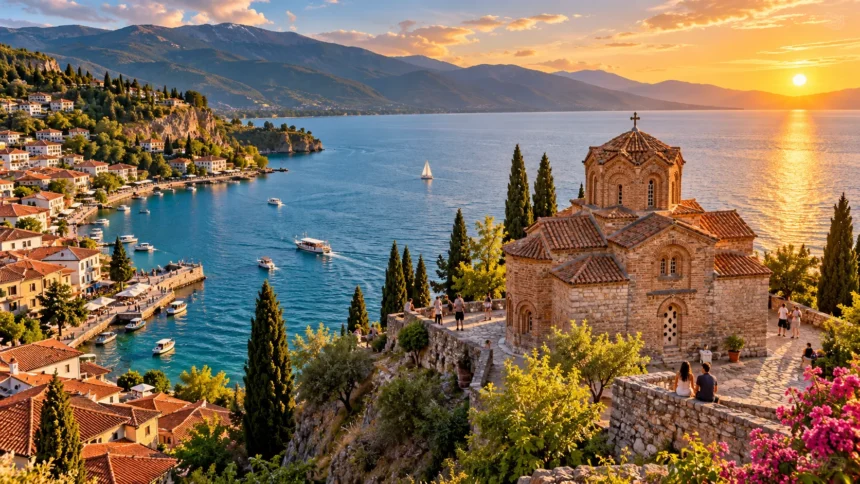
Lake Ohrid is one of North Macedonia’s most famous travel destinations and an essential stop for many first-time visitors. Surrounded by mountains and historic settlements, the lake creates an atmosphere that combines natural beauty with centuries of human history. The clear water, waterfront promenades, old neighborhoods, and surrounding viewpoints make the region suitable for both sightseeing and relaxation.
Travelers can enjoy boat trips, swimming during warmer periods, waterfront walks, and meals overlooking the lake. Even without planning many formal activities, simply spending time near the shoreline can be rewarding. Sunsets are especially enjoyable because the changing light across the water gives the lake a completely different character from the bright daytime scenery.
Lake Ohrid deserves more than a hurried day trip if your schedule allows. Staying two or three nights gives you time to explore Ohrid’s historic center while also enjoying slower lakeside moments. With additional time, you can travel farther along the shore and visit monasteries, beaches, villages, and viewpoints outside the main city.
Walk Through Ohrid’s Historic Old Town
Ohrid is one of the most atmospheric destinations in the Balkans, with stone streets, traditional houses, churches, viewpoints, and lake scenery packed into a walkable historic area. Exploring on foot is the best way to appreciate its character. Some streets climb steeply, but the elevated positions often reward visitors with beautiful views over rooftops and Lake Ohrid.
The Church of Saint John at Kaneo is one of the most recognizable locations in the city. Its position above the lake creates a memorable setting, particularly when approached along waterfront paths. Other historic churches and religious sites are scattered throughout Ohrid, allowing visitors to combine architecture, cultural history, and scenic walks within a relatively compact area.
Ohrid’s old town becomes especially pleasant in the evening when daytime sightseeing slows down. Restaurants and cafés create a relaxed atmosphere around the waterfront and central streets. Instead of filling every hour with attractions, leave time to explore small lanes, enjoy local food, and watch the lake as the light changes toward sunset.
Explore Samuel’s Fortress and Ohrid Viewpoints
Samuel’s Fortress stands above Ohrid and provides one of the best opportunities to understand the city’s position between hills and lake. Reaching the fortress involves an uphill walk, so comfortable footwear is helpful. The elevated setting gives visitors broad views across the surrounding landscape and makes the climb worthwhile for travelers who enjoy photography and historical settings.
The fortress can easily be combined with other attractions in the upper part of Ohrid. Walking through this section allows you to connect historic religious sites, archaeological areas, traditional streets, and viewpoints without repeatedly returning to the waterfront. Planning the route gradually downhill can make the experience more comfortable, especially during warm weather.
Do not focus only on the main observation points. Some of Ohrid’s most memorable views appear unexpectedly between houses, churches, trees, and narrow paths. Taking a slower approach allows you to notice these smaller scenes and makes the historic center feel more like a living neighborhood than a collection of individual tourist attractions.
Visit the Monastery of Saint Naum
The Monastery of Saint Naum is one of the most popular places to visit around Lake Ohrid. Located toward the southern end of the lake, the complex combines religious heritage with attractive natural surroundings. Its peaceful setting makes it an excellent addition to an Ohrid itinerary, particularly for travelers interested in architecture, history, and quieter lakeside scenery.
The journey to Saint Naum can become part of the experience itself. Depending on your travel style, you may reach the area by road or combine the visit with a lake excursion. Once there, allow time to walk around the monastery grounds and surrounding landscape rather than immediately returning after seeing the principal religious buildings.
Visitors should dress and behave respectfully because the monastery remains an important religious site rather than simply a tourist attraction. Quiet observation allows you to appreciate the architecture and atmosphere without disturbing others. Combining Saint Naum with several scenic stops around the lake can create an enjoyable full or half-day trip from Ohrid.
Experience Mavrovo National Park
Mavrovo National Park is an excellent destination for travelers who want mountains, forests, villages, and outdoor activities. The landscapes feel very different from the urban environments of Skopje and the lakeside atmosphere around Ohrid. Depending on the season, visitors may come for hiking, scenic drives, winter activities, photography, or simply a quieter escape surrounded by nature.
The Mavrovo area is particularly appealing if you enjoy exploring traditional villages and mountain roads. Small communities and dramatic landscapes provide opportunities to experience a slower side of North Macedonia. Travelers who enjoy hiking should research routes appropriate for their fitness level and prepare carefully because mountain conditions can change more quickly than weather in the cities.
Spending a night in the region can be more rewarding than rushing through on a short stop. Early mornings and evenings often provide a calmer atmosphere and better opportunities to enjoy the landscape. Mavrovo can also fit naturally into a road trip connecting Skopje with western and southwestern parts of the country.
Visit Bitola and Walk Along Shirok Sokak
Bitola is one of North Macedonia’s most enjoyable cities for travelers who appreciate café culture, architecture, and a slower urban pace. Its best-known pedestrian street, Shirok Sokak, is lined with restaurants, cafés, shops, and attractive buildings. Sitting outside with coffee while watching people pass is one of the simplest ways to experience the city’s relaxed character.
Beyond the main pedestrian area, Bitola contains historic religious buildings, markets, traditional neighborhoods, and reminders of its long regional importance. The city feels noticeably different from Skopje, making it worthwhile rather than simply another urban stop. Its manageable size also makes it easy to explore many central areas without relying heavily on transportation.
Bitola works particularly well as part of a wider southern North Macedonia itinerary. You can combine the city with nearby archaeological and natural attractions while using it as a comfortable base. Staying overnight also gives you an opportunity to enjoy the evening atmosphere along Shirok Sokak after day visitors and sightseeing groups have moved on.
Explore the Ancient Ruins of Heraclea Lyncestis
Near Bitola, Heraclea Lyncestis offers travelers an opportunity to explore the remains of an important ancient settlement. Archaeological ruins provide a striking contrast with the modern city nearby and add another historical layer to a North Macedonia journey. Visitors interested in Roman-era history, mosaics, architecture, and archaeology should consider including the site in their itinerary.
Walking through the remains is more meaningful when you take time to imagine how the settlement once functioned. Instead of viewing each structure separately, consider the streets, public spaces, religious buildings, and everyday activities that once connected them. Archaeological sites can become much more interesting when approached as former living communities rather than collections of stones.
Heraclea is easy to combine with sightseeing in Bitola, making it practical even for travelers with limited time. Earlier or later parts of the day can be more comfortable during warm weather because the site includes exposed outdoor areas. Bring water, sun protection, and footwear suitable for walking across uneven historic surfaces.
Enjoy Pelister National Park and Mountain Scenery
Pelister National Park provides another excellent nature experience close to Bitola. Forests, high mountain landscapes, hiking opportunities, and fresh air make the park attractive to visitors who want a break from towns and archaeological attractions. The scenery changes with elevation and season, giving outdoor travelers another reason to spend extra time in southern North Macedonia.
Hiking options range in difficulty, so choose a route that matches your experience and available time. Longer mountain hikes require better preparation than casual walks around lower areas. Weather, water, footwear, navigation, and daylight should all be considered carefully, particularly if you plan to venture away from frequently used paths or developed visitor areas.
You do not need to complete a challenging climb to enjoy Pelister. Scenic drives, shorter walks, forest areas, and mountain views can still provide a rewarding experience. Combining a morning outdoors with an afternoon or evening in Bitola creates a balanced travel day that includes both nature and local urban culture.
Discover Kruševo and Its Mountain Atmosphere
Kruševo is a mountain town with distinctive architecture, narrow streets, historic importance, and wide views over the surrounding landscape. Its elevated setting gives it a cooler and quieter atmosphere than many lower cities. Travelers interested in history, traditional buildings, and mountain scenery can find plenty to appreciate during a day trip or overnight stay.
Walking is one of the best ways to explore Kruševo because much of its charm comes from the relationship between its streets, houses, slopes, and viewpoints. Several important memorial and cultural sites are connected with the town’s historical identity. Taking time to learn some background before visiting can make these places more meaningful.
Kruševo is also associated with outdoor recreation and mountain activities, adding another dimension for adventurous visitors. Even if you are not planning sports, the surrounding scenery makes the journey worthwhile. Staying overnight allows you to enjoy the quieter evening atmosphere and experience the town after many daytime visitors have left.
Try Traditional Macedonian Food and Wine
Food is an essential part of traveling through North Macedonia. Traditional meals often include vegetables, beans, peppers, cheeses, grilled meats, bread, and rich spreads served in generous portions. Tavče gravče, ajvar, shopska-style salads, grilled dishes, and regional pastries are among the flavors travelers commonly encounter during a journey through the country.
Local restaurants can vary from modern city establishments to family-run places serving traditional recipes. Instead of eating only around major tourist squares, explore neighborhoods and ask locally about regional specialties. Different areas may prepare familiar dishes in slightly different ways, giving food-focused travelers another reason to try local restaurants throughout the trip.
North Macedonia also has a long connection with wine production, and vineyard regions add another experience for interested travelers. Wine tastings can complement a food-focused itinerary, particularly if you are exploring central or southern areas. Enjoying local meals slowly rather than treating food simply as fuel can become one of the most memorable parts of the journey.
Plan the Right Macedonia Travel Itinerary
For a shorter trip, combining Skopje and Ohrid gives first-time visitors a strong introduction to North Macedonia. Skopje provides markets, history, and city culture, while Ohrid offers lakeside scenery and historic landmarks. Matka Canyon can easily add a nature experience without requiring you to completely change your accommodation or transportation plans.
With a week or more, include destinations such as Bitola, Mavrovo, Pelister, Kruševo, or additional lake and mountain areas. A slower itinerary is usually more enjoyable than attempting to visit every attraction. North Macedonia’s charm often comes from relaxed meals, scenic drives, neighborhood walks, and unexpected stops between the better-known landmarks.
Transportation planning matters because reaching rural destinations can require more organization than moving between major cities. Renting a car provides flexibility for countryside exploration, while buses and other transport can work for popular routes. Build extra time into travel days so delays or scenic stops do not force you to rush through the experiences you came to enjoy.
Conclusion
North Macedonia offers an impressive mix of historic towns, dramatic mountain scenery, lakes, archaeological sites, religious heritage, and welcoming urban spaces. Skopje, Ohrid, Matka Canyon, Bitola, and the national parks provide enough variety to create a trip that combines cultural sightseeing with outdoor experiences.
The best itinerary depends on how much time you have and what type of travel you enjoy. History lovers can focus on old towns and archaeological sites, while nature enthusiasts can spend more time around Lake Ohrid, Mavrovo, Pelister, and mountain communities. Food and local café culture add another enjoyable layer throughout the journey.
Rather than trying to see the entire country quickly, choose several destinations and explore them properly. Leave time for scenic walks, local meals, spontaneous viewpoints, and conversations along the way. A slower approach makes it easier to appreciate the landscapes, traditions, history, and everyday character that make North Macedonia an appealing Balkan destination.
FAQs
How many days do you need in North Macedonia?
Five to seven days provides enough time to explore Skopje, Ohrid, and at least one additional nature or historic destination. With ten days, you can travel more slowly and include several mountain regions.
What are the best places to visit in North Macedonia?
Popular places include Skopje, Ohrid, Matka Canyon, Mavrovo, Bitola, Kruševo, Pelister National Park, and Saint Naum. Your ideal route depends on whether you prefer history, nature, food, or outdoor activities.
Is Ohrid worth visiting?
Yes. Ohrid combines a beautiful lake with historic churches, traditional streets, viewpoints, restaurants, and nearby attractions. Spending at least two nights allows you to experience both the old town and surrounding lakeside scenery.
What food should you try in North Macedonia?
Look for tavče gravče, ajvar, grilled meats, local cheeses, fresh salads, pastries, and regional vegetable dishes. Traditional restaurants and smaller local establishments are excellent places to explore Macedonian flavors.
What is the best way to travel around North Macedonia?
Major destinations can be reached using public transportation, while renting a car provides greater flexibility for national parks, villages, scenic routes, and smaller attractions that may have limited transport connections.