
Fashion illustration is a creative way to express clothing ideas, explore personal style, and bring original designs to life through drawing. From elegant evening dresses to modern streetwear, fashion sketches help designers communicate how garments might look, move, and feel. Whether you enjoy drawing as a hobby or hope to develop fashion design skills, learning the basics provides an excellent starting point.
Unlike technical garment drawings, fashion illustrations often emphasize creativity, movement, personality, and artistic expression. Illustrators use different materials, colors, proportions, and techniques to present their ideas in distinctive ways. Some create detailed artwork with realistic textures, while others prefer simple lines, bold colors, or expressive sketches that capture the overall mood of an outfit.
Understanding fashion illustration basics can help beginners develop confidence and discover fresh sources of inspiration. This guide explores essential drawing techniques, fashion figure proportions, coloring methods, useful tools, and creative illustration ideas. You will also learn how to build an individual drawing style, practice consistently, and turn simple clothing concepts into visually appealing fashion artwork.
What Is Fashion Illustration?
Fashion illustration is the artistic representation of clothing, accessories, and fashion concepts through drawings or digital artwork. Designers and illustrators use it to communicate ideas, explore silhouettes, and express the character of a particular style. Illustrations may feature complete outfits, individual garments, accessories, or fashion figures wearing coordinated designs.
Fashion illustrations serve several purposes within the creative industry. They can support early design development, editorial storytelling, advertising concepts, and personal art projects. While some illustrations emphasize accurate garment construction, others focus on atmosphere, color, movement, or an imaginative interpretation of fashion trends.
Learning fashion illustration does not require mastering every advanced drawing technique immediately. Beginners can start with simple shapes, basic figure outlines, and familiar clothing styles. As confidence develops, they can experiment with proportions, textures, poses, and artistic details to create more expressive and recognizable illustrations.
Why Learn Fashion Illustration Basics?
Learning the fundamentals of fashion illustration helps transform clothing ideas into clear visual concepts. Instead of keeping designs entirely in your imagination, you can sketch different silhouettes, colors, and outfit combinations. This process makes it easier to compare ideas and decide which details communicate your intended design.
Fashion drawing also encourages observation and creative problem-solving. Studying how fabrics fold, how garments fit, and how different materials respond to movement develops useful visual skills. These observations can improve illustrations while supporting a broader understanding of clothing design and fashion presentation.
Another benefit is the freedom to experiment without needing to create physical garments. You can explore unusual color palettes, combine contrasting fashion influences, or redesign familiar outfits on paper. Regular practice gradually improves artistic confidence and helps you develop a personal approach rather than depending entirely on existing examples.
Essential Tools for Fashion Illustration Beginners
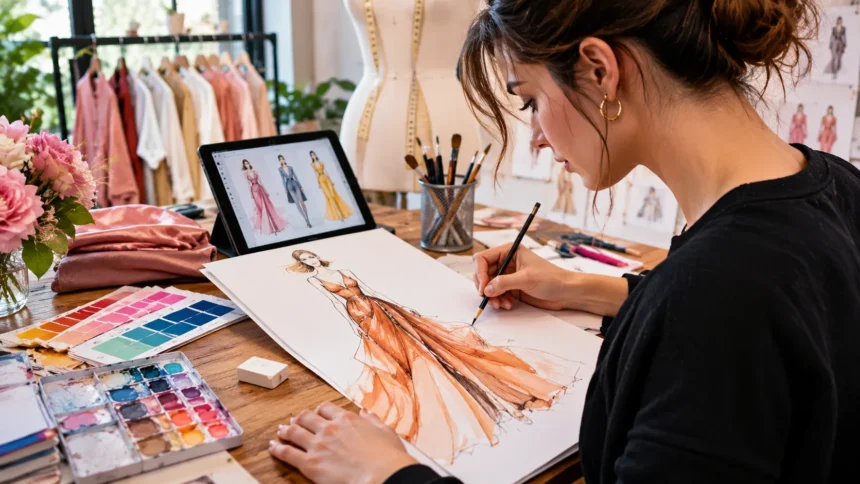
You do not need expensive art supplies to begin practicing fashion illustration. A sketchbook, pencil, eraser, ruler, and a few colored pencils provide enough materials for basic exercises. These simple tools allow you to experiment with figures, garment outlines, and shading techniques without making a large initial investment.
Graphite pencils are useful for creating light guidelines and developing more detailed clothing sketches. Fine-tip pens can help define final outlines, while markers or watercolor paints provide additional coloring possibilities. Different materials create different effects, so exploring several options can help identify techniques that suit your preferences.
Digital illustration tools are another option for beginners who enjoy drawing on tablets or computers. Software with drawing layers, brushes, and color adjustment features can simplify experimentation. However, the quality of your ideas and understanding of basic techniques matter more than purchasing professional equipment at the beginning.
Understanding Fashion Figure Proportions
Fashion figures, often called croquis, provide a foundation for illustrating clothing on the body. These figures help artists understand where garments sit and how different silhouettes appear in a drawing. Many fashion illustration styles use elongated proportions for artistic emphasis, although natural proportions are equally valid for creative work.
A common fashion illustration convention divides the figure into approximately eight or nine head-length units. This approach creates a stylized framework that emphasizes clothing presentation rather than realistic anatomical measurements. Beginners can also use less exaggerated proportions when they want illustrations that feel more natural or suitable for technical design communication.
The purpose of learning proportions is to create figures that support your artistic ideas consistently. Start by drawing simple guidelines for the head, shoulders, torso, hips, arms, and legs. Once you understand the basic structure, experiment with different body types, poses, and illustration styles without treating one figure shape as an ideal.
How to Draw a Basic Fashion Figure Step by Step
Begin by drawing a light vertical guideline that represents the overall direction of your fashion figure. Add a simple oval for the head and mark the approximate positions of the shoulders, waist, hips, knees, and feet. Use gentle pencil strokes so the initial structure can be adjusted easily.
Next, connect the guidelines using simple shapes that represent the torso, arms, and legs. Focus on creating a balanced figure with clear joint positions and a natural sense of movement. Avoid adding complicated clothing details at this stage because the underlying figure should provide a stable foundation.
Once the basic figure is complete, lightly sketch a garment over the outline. Consider where the fabric rests on the shoulders, follows the torso, or hangs away from the body. Refine the final lines gradually, then erase unnecessary construction marks to create a cleaner fashion illustration.
How to Sketch Clothing on Fashion Figures
Sketching clothing begins with understanding the relationship between the garment and the figure beneath it. Different clothing styles create distinct shapes depending on their structure, material, and intended fit. A loose jacket may extend away from the body, while a fitted shirt follows the general lines of the torso.
Start with the overall garment silhouette before adding seams, pockets, buttons, or decorative features. For example, a long dress might begin as a flowing outline, while trousers can be represented through simple leg shapes. Establishing the main structure first helps prevent small details from distracting you from the design.
After drawing the silhouette, add selected features that explain the garment’s construction and character. Collars, cuffs, waistbands, pleats, and closures can make an illustration more recognizable. Keep details purposeful and adjust them according to your artistic style rather than attempting to reproduce every tiny feature.
Learning Different Clothing Silhouettes
A clothing silhouette describes the overall shape a garment creates when viewed from a distance. Common examples include A-line dresses, straight-cut trousers, fitted jackets, oversized shirts, and wide-leg pants. Understanding these shapes helps fashion illustrators communicate designs clearly before adding colors, patterns, or accessories.
Practice drawing several silhouettes using simple outlines and limited details. Compare how an oversized coat differs from a cropped jacket or how a flowing skirt differs from a structured pencil skirt. This exercise develops your ability to recognize clothing shapes and represent them consistently in different drawings.
Silhouettes also influence the overall mood of an illustration. Structured shapes can communicate precision, while relaxed garments may suggest ease and movement. Experimenting with combinations of contrasting silhouettes provides opportunities to create fresh fashion concepts without depending on complicated drawing techniques.
How to Draw Fabric Folds and Movement
Fabric folds help fashion illustrations feel more expressive because clothing rarely remains completely flat during movement. Folds appear around bending joints, gathered waistlines, sleeves, and areas where fabric hangs naturally. Learning to observe these changes can make garments easier to recognize and give illustrations a stronger sense of depth.
Different fabrics create different folding patterns. Lightweight materials often form soft, flowing lines, while thicker fabrics may create broader and more structured shapes. Studying real garments, photographs, or fabric samples can help you notice how weight, texture, and construction influence their appearance.
Begin by drawing a few simple folds rather than covering the garment with excessive lines. Pay attention to where fabric gathers, stretches, or falls away from the body. Use curved lines and subtle shading to suggest movement while maintaining a clean illustration that clearly communicates the overall design.
Basic Coloring Techniques for Fashion Illustration
Color helps communicate the personality, mood, and visual impact of a clothing design. Beginners can start with colored pencils or markers to fill garments with simple, consistent tones. Choosing a limited color palette makes it easier to focus on balance and contrast before experimenting with more complicated combinations.
Shading can create the impression of depth by showing how light interacts with fabric. Slightly darker tones may represent folds or areas facing away from a light source, while lighter sections suggest highlights. Applying these differences gradually can make clothing illustrations more dimensional without requiring highly realistic rendering.
Experiment with several coloring techniques to discover which approach suits your artistic preferences. Soft blending works well for certain fabrics, while bold blocks of color can create a graphic editorial style. Remember that color choices do not need to follow current fashion trends, especially when developing original design concepts.
How to Add Texture and Patterns to Fashion Sketches
Fabric texture adds important visual information to a fashion illustration. Smooth satin, textured denim, knitted materials, and structured leather can look very different even when garments share similar silhouettes. Using appropriate marks, highlights, and shading techniques helps viewers understand the material you intend to represent.
Patterns provide another opportunity for creative expression. Stripes, checks, florals, geometric shapes, and abstract prints can transform otherwise simple outfits. Beginners should first establish the main garment shape, then add patterns that follow the direction and folds of the fabric.
Avoid drawing every texture or pattern detail at full intensity. Suggesting repeated shapes or selected highlights can often communicate the intended material more effectively than filling every area with complex marks. This approach keeps your illustrations readable while allowing fabric choices to contribute to the overall design.
How to Draw Fashion Poses That Look Natural
Fashion poses help communicate movement, personality, and the intended mood of an outfit. A relaxed standing pose may highlight casual clothing, while a walking pose can reveal how a flowing garment moves. Learning several basic positions makes your illustrations more varied and visually engaging.
Start by drawing a simple line of action that suggests the direction of the figure. Add the head, shoulders, hips, and limbs around this guiding line while considering balance. Reference photographs or pose studies can help you understand how the body shifts when standing, walking, turning, or reaching.
Beginners should focus on clear, manageable poses before attempting complex movements. The figure does not need to look like a professional runway model to communicate fashion effectively. Natural gestures, seated positions, and everyday movements can provide equally interesting foundations for creative clothing illustrations.
Fashion Illustration Ideas for Beginners
One enjoyable beginner project is creating a small collection of everyday outfits. Choose familiar garments such as jeans, shirts, dresses, jackets, or comfortable shoes and explore different combinations. This exercise helps develop confidence with common clothing shapes while encouraging experimentation with color and styling.
Another idea is illustrating outfits inspired by different seasons. Spring designs might feature lightweight layers and floral details, while autumn concepts could include textured coats, scarves, and boots. Seasonal projects provide a useful creative direction without requiring you to follow specific trends or expensive fashion collections.
You can also create illustrations around themes such as minimalist fashion, vintage clothing, streetwear, or formal occasions. Select a theme and design several outfits that share recognizable visual elements. These small projects can gradually become part of a portfolio demonstrating your imagination, consistency, and growing illustration skills.
Finding Fresh Inspiration for Fashion Illustrations
Inspiration for fashion illustration can come from everyday observations rather than exclusively from designer collections. Street fashion, architecture, nature, photography, and historical clothing all offer interesting visual ideas. Paying attention to shapes, colors, and textures in your surroundings can help you develop more original design concepts.
Museums, fashion exhibitions, magazines, and creative communities provide additional opportunities to study different illustration approaches. Examine how artists use line weight, composition, proportion, and color to communicate their ideas. Instead of copying entire illustrations, identify individual techniques you can practice and adapt within your own projects.
Keeping a visual inspiration journal can make creative research more organized. Collect color combinations, fabric references, sketches, and notes about interesting design details. Over time, reviewing these materials may reveal recurring themes that help you establish an individual fashion illustration style.
Digital Fashion Illustration for Beginners
Digital fashion illustration allows artists to develop clothing concepts using drawing software and electronic devices. Many applications provide brushes, layers, color tools, and editing features that simplify experimentation. Beginners can start with basic sketches and gradually explore more advanced functions as their confidence improves.
Layers are particularly useful because they allow different parts of an illustration to remain separate. You might place the figure outline on one layer, clothing on another, and colors on additional layers. This organization makes it easier to revise a design without repeatedly redrawing the entire illustration.
Digital tools also support experimentation with different color combinations and visual effects. However, software cannot replace an understanding of garment shapes, proportions, and drawing fundamentals. Practicing observation and sketching remains important whether you work with a tablet, computer, pencil, or traditional sketchbook.
Traditional vs Digital Fashion Illustration
Traditional fashion illustration uses physical materials such as pencils, inks, markers, paints, and paper. These tools provide direct control over texture, pressure, and mark-making. Some artists appreciate the natural variations produced by traditional techniques because small imperfections can contribute to an illustration’s distinctive character.
Digital illustration offers different advantages, including convenient editing, adjustable colors, and the ability to organize artwork into layers. It can also simplify preparing illustrations for online portfolios or professional presentations. However, beginners may need time to become comfortable with the software interface and digital drawing tools.
Neither method is automatically better for every fashion illustrator. Traditional tools may encourage spontaneous experimentation, while digital software can make revisions easier. Many artists combine both approaches by sketching on paper and refining their illustrations digitally, creating a workflow that suits their creative preferences.
Common Fashion Illustration Mistakes to Avoid
One common beginner mistake is adding too many details before establishing the basic figure and garment shapes. This can make drawings appear confusing and difficult to adjust. Starting with simple guidelines and clear silhouettes provides a stronger foundation for collars, patterns, folds, and decorative elements.
Another mistake is treating exaggerated fashion proportions as mandatory. While stylized croquis are common in fashion illustration, they represent an artistic convention rather than a rule for depicting people. Practicing a variety of body types and proportions can help create more versatile and inclusive artwork.
Beginners may also become discouraged when their drawings do not immediately resemble polished professional illustrations. Artistic development requires observation, experimentation, and repeated practice. Instead of focusing exclusively on creating perfect drawings, concentrate on learning one technique at a time and noticing how your work gradually changes.
How to Develop Your Own Fashion Illustration Style
Developing a personal illustration style begins with experimenting rather than immediately choosing one fixed approach. Try different line weights, color palettes, proportions, and drawing materials to discover what feels natural. You may enjoy expressive sketches with loose strokes or prefer clean illustrations featuring detailed garment construction.
Studying different artists can help you understand the range of possibilities available within fashion illustration. Notice how illustrators communicate mood through poses, colors, and composition. Use these observations as learning opportunities while creating original work that reflects your own creative decisions and interests.
Your style will likely evolve as you practice and explore new techniques. Keeping older drawings can help you recognize changes in confidence, consistency, and artistic preferences. Rather than forcing every illustration to look identical, allow your creative identity to develop naturally through regular experimentation and thoughtful observation.
Building a Fashion Illustration Portfolio
A fashion illustration portfolio presents examples of your drawing skills, creative ideas, and preferred artistic techniques. Beginners can start by selecting several completed illustrations that demonstrate different clothing styles, poses, and coloring approaches. Quality and variety are generally more useful than including every practice sketch you have ever created.
Organize your portfolio so viewers can understand your creative strengths. You might include casual outfits, formal clothing, accessories, seasonal collections, and experimental designs. Adding brief descriptions can explain the inspiration behind individual illustrations without overwhelming the artwork itself.
Digital portfolios provide a convenient way to organize and present illustrations online, while printed collections can be useful for certain educational or professional settings. Update your work as your skills develop and new projects are completed. A thoughtful portfolio shows both technical ability and the creative ideas that distinguish your illustrations.
How to Practice Fashion Illustration Every Week
Regular practice can help improve fashion illustration skills by creating opportunities to repeat techniques and recognize progress. You do not need to complete a detailed drawing every day to develop your abilities. Short sketching sessions focused on specific skills can be easier to maintain alongside other responsibilities.
A simple weekly routine might include figure studies, garment silhouettes, fabric textures, and one complete outfit illustration. These exercises allow you to concentrate on different aspects of fashion drawing without becoming overwhelmed. Revisiting familiar subjects can also make it easier to notice improvements in line control, proportions, and design presentation.
Keep your practice flexible and enjoyable rather than treating every sketch as a final project. Some drawings may remain unfinished experiments, while others develop into detailed illustrations. Giving yourself room to explore ideas encourages creativity and supports steady progress toward stronger drawing skills.
Conclusion
Fashion illustration is a creative skill that allows artists to communicate clothing ideas through drawing, color, and visual storytelling. Learning the basics of figure proportions, garment silhouettes, fabric folds, and shading provides a useful foundation. Beginners can develop these skills with simple materials while gradually exploring more detailed techniques and artistic approaches.
Fresh inspiration can come from everyday outfits, seasonal colors, architecture, historical fashion, and personal interests. Traditional and digital tools both offer valuable opportunities for experimentation, making it possible to create illustrations in different styles. Practicing a variety of subjects and techniques helps develop confidence without limiting creativity to one particular approach.
Ultimately, fashion illustration is about expressing ideas and discovering a way of drawing that feels meaningful to you. Consistent practice, careful observation, and experimentation can gradually improve both technical skills and creative confidence. Whether you want to illustrate personal clothing ideas or build a professional portfolio, learning the fundamentals is an excellent place to begin.
Frequently Asked Questions
What are the basics of fashion illustration?
Fashion illustration basics include drawing figures, understanding proportions, sketching clothing silhouettes, representing fabric folds, and applying color. Beginners can develop these skills through simple exercises using pencils, sketchbooks, or digital drawing tools.
Can beginners learn fashion illustration without drawing experience?
Yes, beginners can learn fashion illustration without previous drawing experience. Starting with basic shapes, simple fashion figures, and familiar garments helps develop confidence before progressing to more complex poses, textures, and designs.
What tools do I need for fashion illustration?
Basic supplies include a sketchbook, pencil, eraser, and coloring materials such as markers or colored pencils. Digital artists can use a drawing tablet and suitable illustration software, but expensive equipment is unnecessary.
What is a croquis in fashion illustration?
A croquis is a basic figure template used to sketch clothing and explore design ideas. Fashion croquis often feature stylized proportions, although illustrators can also use natural proportions and different body types.
How can I improve my fashion illustration skills?
Practice regularly, study clothing shapes, observe fabric movement, and experiment with different artistic techniques. Reviewing earlier drawings and completing small creative projects can help you recognize progress and develop a personal illustration style.