
Thrifting is a practical way to discover stylish clothing, explore unique fashion choices, and make better use of existing garments. However, finding secondhand clothes that look good and last requires more than choosing attractive pieces. Fabric quality, stitching, fit, and overall condition all influence whether an item is worth purchasing. With the right approach, thrift shopping can become an enjoyable and rewarding experience.
Learning how to thrift quality clothes helps you identify well-made garments without relying entirely on expensive brands or original retail prices. Thrift stores often contain clothing from different seasons, manufacturers, and fashion trends. Some pieces may have barely been worn, while others show noticeable signs of use. Knowing what to inspect makes it easier to recognize genuine value.
Whether you are shopping at local thrift stores, secondhand boutiques, or online resale platforms, a few useful habits can improve your results. This guide explains how to evaluate clothing quality, identify durable fabrics, inspect construction, and avoid common shopping mistakes. You will also learn how to build a wardrobe using pre-owned pieces. These practical tips make secondhand shopping easier for beginners.
Understand What Makes Thrifted Clothes High Quality
High-quality thrifted clothing usually combines durable materials, reliable construction, comfortable fit, and good overall condition. An expensive brand label does not automatically guarantee that an item meets these standards. Likewise, affordable clothing can sometimes offer excellent workmanship and lasting value. Learning to recognize quality independently helps you make more informed purchasing decisions.
Start by examining how a garment feels and behaves when handled. Well-made clothing often has consistent stitching, appropriately finished edges, and fabric suited to its intended purpose. However, thickness alone does not determine quality because lightweight materials can also be durable. The important question is whether the garment appears capable of handling normal wear and appropriate care.
Consider how the item will fit into your existing wardrobe before deciding whether it is worth buying. A beautifully made jacket offers limited value if you dislike wearing it or cannot style it comfortably. Quality includes practical usefulness, not just fabric and construction. Choosing garments that match your needs helps prevent unnecessary purchases and supports a more functional wardrobe.
Research the Best Places to Buy Secondhand Clothes
Finding quality secondhand clothing becomes easier when you understand the differences between thrift stores, charity shops, consignment boutiques, and resale platforms. Each shopping option offers a different selection, pricing structure, and level of garment inspection. Traditional thrift stores often provide affordable variety, while curated resale boutiques may focus on selected brands or styles. Exploring several options helps reveal what works best.
Local secondhand stores can be particularly useful because you can inspect garments directly before purchasing. You can feel the fabric, examine stitching, and try items on when fitting rooms are available. Some stores organize clothing by size, color, or category, making browsing easier. Visiting different locations also helps you discover which shops regularly carry items that suit your preferences.
Online resale platforms provide access to clothing beyond your immediate area, including specific sizes and discontinued styles. However, photographs may not reveal every defect or accurately represent fabric texture. Read descriptions carefully and review available measurements before ordering. Understanding return policies and asking sellers relevant questions can reduce disappointment when shopping for pre-owned clothing online.
Learn How to Identify Good Quality Fabrics
Fabric inspection is one of the most important skills when learning how to thrift quality clothes. Different materials offer different benefits depending on the garment and its intended use. Cotton, linen, wool, silk, and certain synthetic blends can all provide excellent performance when properly manufactured. Rather than assuming one fiber is always superior, evaluate the actual fabric condition.
Examine the fabric for excessive thinning, unusual stretching, persistent creases, and areas that appear damaged. Hold suitable garments toward a light source to check for uneven wear or tiny holes. Gently feel the surface to identify rough patches or weakened areas. These simple checks can reveal problems that may not be immediately visible when clothing hangs on a rack.
Read the care label to understand the material composition and maintenance requirements. Some fabrics require delicate washing, professional cleaning, or additional attention during storage. A garment may be attractive but impractical if its care needs exceed your available time or budget. Choosing fabrics that suit your lifestyle makes thrifted purchases easier to maintain over time.
Check Clothing Stitching and Construction Carefully
Stitching provides valuable information about how a garment was manufactured and how well it has survived previous use. Examine visible seams around shoulders, waistbands, sleeves, and side panels. Look for consistent stitching, secure thread ends, and properly joined fabric sections. Loose seams or separated stitching may indicate wear, damage, or construction weaknesses.
Turn the garment inside out when possible to inspect its internal finishing. Well-constructed clothing often has neatly finished seams that help reduce fraying during repeated use. However, different garment types use different finishing techniques, so appearance alone is not always decisive. Focus on whether the seams appear secure and appropriate for the fabric.
Pay particular attention to areas that experience frequent movement or tension. Trouser crotch seams, jacket armholes, and fitted waistbands should remain secure without visible pulling or separation. Minor issues may be repairable, but extensive damage can make an inexpensive item less worthwhile. Evaluating construction before purchase helps you avoid clothing that may require unexpected repairs.
Inspect Thrifted Clothes for Damage and Wear
Secondhand clothing may show signs of previous use, making a careful condition check essential. Inspect the front, back, sleeves, collar, and hem of every garment before purchasing. Look for stains, holes, discoloration, damaged fabric, and uneven stretching. Small imperfections are sometimes manageable, but others can significantly reduce an item’s usefulness.
High-friction areas deserve additional attention because they often reveal the most wear. Check underarms, inner thighs, elbows, cuffs, and waistbands for thinning or fabric deterioration. Sweaters may have pilling, while trousers can develop shiny patches from repeated friction. These details help you estimate whether the garment has enough remaining life to justify purchasing.
Avoid assuming every stain or damaged area can be repaired successfully. Some marks remain visible after cleaning, and delicate fabrics may respond poorly to aggressive treatment. Consider the cost, effort, and uncertainty involved before accepting a damaged item. A slightly more expensive garment in excellent condition may provide better long-term value than one requiring extensive repairs.
Understand Clothing Labels and Brand Quality
Clothing labels can provide helpful information about fabric composition, care instructions, and manufacturing details. Some established brands have produced durable garments across particular product categories. However, quality can vary between collections, manufacturing periods, and individual items. A recognizable label should support your assessment rather than replace careful inspection.
Vintage clothing labels may offer clues about a garment’s approximate age or original production style. Older pieces sometimes feature construction methods or materials that differ from modern clothing. Nevertheless, age does not automatically make an item better quality. Fabric deterioration, outdated sizing, and previous repairs can affect whether vintage clothing remains suitable for everyday wear.
When evaluating brands, prioritize construction, material condition, and comfort over reputation alone. A lesser-known shirt with secure seams and excellent fabric may outperform a heavily worn designer item. Compare similar garments based on their actual features. This approach encourages thoughtful shopping and helps you discover quality clothing beyond familiar brand names.
Choose the Right Fit When Thrift Shopping
Fit is essential because even beautifully made clothing may remain unworn if it feels uncomfortable or restricts movement. Secondhand garments come from different manufacturers, sizing systems, and production periods. A labeled size may not match modern expectations or measurements. Trying clothes on whenever possible is more reliable than depending entirely on the number printed on the tag.
Check how garments sit around the shoulders, waist, hips, and other relevant areas without assuming every piece should fit tightly. Move naturally to assess comfort while sitting, reaching, or walking. Clothing should allow the movement needed for its intended purpose. Personal preference matters, and different silhouettes can work well depending on how you want to wear an item.
If fitting rooms are unavailable, compare garment measurements with similar clothes you already own. A measuring tape can help evaluate shoulder width, chest measurements, inseam length, or other relevant dimensions. Remember that fabrics and garment cuts influence how measurements translate into fit. Accurate comparisons can reduce purchases that require major alterations or never feel comfortable.
Build a Thrift Shopping Checklist Before Visiting
A simple thrift shopping checklist helps you stay focused and make thoughtful purchasing decisions. Before visiting a store, review your current wardrobe and identify clothing categories you genuinely need. You might be searching for everyday shirts, workwear, outerwear, or versatile trousers. Having a clear purpose makes it easier to avoid buying items simply because they appear inexpensive.
Consider which colors, fabrics, and styles complement the clothing you already wear. This does not mean every purchase must match perfectly, but it should have a realistic place in your wardrobe. Think about the occasions when you would use each item. A practical shopping plan makes it easier to recognize useful pieces without limiting opportunities for creative discoveries.
Set a comfortable spending limit based on your available budget and shopping priorities. Remember that cleaning, minor repairs, or alterations may add to the total cost. Keep enough flexibility for unexpected finds while avoiding unnecessary purchases. A thoughtful checklist encourages better decisions and helps thrift shopping remain enjoyable instead of becoming an exercise in collecting more clothes.
Find Quality Jeans and Trousers at Thrift Stores
Jeans and trousers can be excellent secondhand purchases because many durable styles remain useful for years. When examining denim, check the fabric around the knees, pockets, inner thighs, and waistband. These areas commonly experience friction and stretching. Look for secure seams, comfortable movement, and fabric that retains its intended shape.
Test the zipper, buttons, and other closures before deciding whether the garment is suitable. A damaged zipper may require professional replacement, while a loose button is often easier to repair. Inspect belt loops and pocket openings for tearing or weakened stitching. These details can affect both convenience and durability during everyday wear.
For tailored trousers, examine the waistband, lining, pleats, and hem. Check whether previous alterations have changed the garment’s proportions or created uneven seams. Consider the fabric’s drape and comfort when standing or moving. A pair that fits comfortably and requires minimal maintenance can become a dependable addition to your wardrobe.
Choose Secondhand Jackets and Coats That Last
Jackets and coats are useful categories to explore because durable outerwear can retain significant practical value after previous ownership. Examine the outer fabric for worn patches, fading, and damaged stitching. Check whether the garment provides the warmth, coverage, or weather protection you actually need. Attractive appearance alone does not guarantee suitable performance.
Inspect the lining carefully because hidden damage can be difficult to notice while the coat is hanging. Look for torn pockets, loose seams, missing buttons, and malfunctioning zippers. Check cuffs and collars for discoloration or fabric deterioration. Outerwear repairs can sometimes be expensive, so factor potential costs into the purchasing decision.
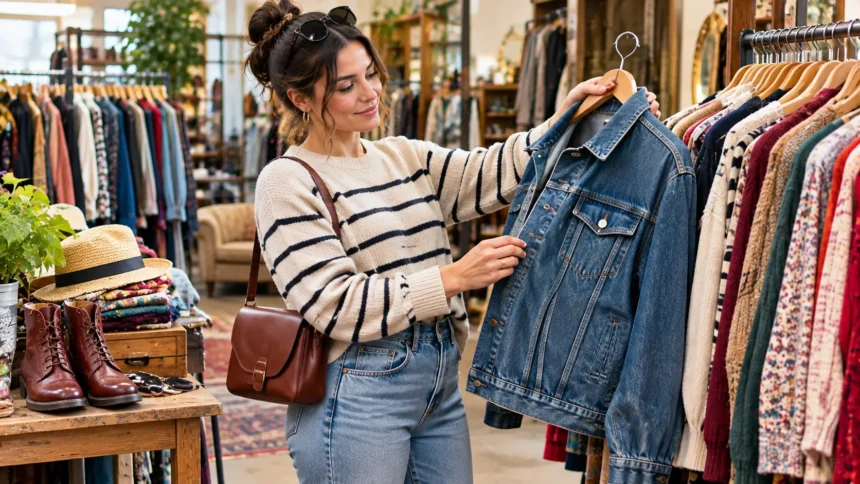
Try wearing the jacket over clothing similar to what you would normally use underneath. Make sure the shoulders allow comfortable movement and the sleeves suit your preferences. A slightly roomy coat may be practical for layering, depending on its intended design. Choosing the right fit and condition helps make secondhand outerwear a worthwhile purchase.
Look for Quality Sweaters and Knitwear
Thrifted sweaters can provide comfortable everyday clothing, especially when their fabric and construction remain in good condition. Wool, cotton, cashmere, and blended knitwear offer different textures and maintenance requirements. Check the garment for holes, stretched sections, and excessive pilling. Pay particular attention to the underarms, cuffs, neckline, and areas exposed to repeated friction.
Gently examine whether the sweater has retained its intended shape. Some knitwear stretches when stored incorrectly or washed without following care instructions. Uneven sleeves or distorted necklines may indicate previous damage. Light pilling is sometimes removable, but severe thinning or weakened fibers can be more difficult to restore.
Read the care label before purchasing because some sweaters require specialized cleaning or careful drying. Consider whether you can realistically maintain the garment according to those instructions. Delicate knitwear may be worth buying when its condition is excellent and its maintenance requirements are manageable. Choosing carefully helps preserve comfort and extend the life of secondhand sweaters.
Learn How to Spot Quality Vintage Clothing
Vintage clothing can offer distinctive designs, interesting fabric choices, and construction details that differ from contemporary fashion. However, successful vintage thrifting requires careful evaluation of age-related wear. Older garments may have weakened fibers, damaged closures, or altered proportions. Understanding these limitations helps you appreciate vintage style without overlooking practical concerns.
Inspect vintage garments for discoloration, fabric brittleness, missing fasteners, and previous repairs. Pay attention to decorative details because replacing unusual buttons or trims may be difficult. Check whether elastic components still function properly. A visually impressive garment may require significant restoration before it becomes comfortable or suitable for regular use.
Vintage sizing can differ considerably from modern clothing measurements, making careful fitting especially important. Compare the garment’s actual dimensions with clothing you already wear rather than relying on its labeled size. Consider whether it works with your existing wardrobe and intended occasions. Thoughtfully chosen vintage pieces can add variety without requiring a completely different personal style.
Shop Online for Secondhand Clothes With Confidence
Online thrifting provides convenient access to pre-owned clothing from independent sellers, resale stores, and specialized marketplaces. It can be especially useful when searching for specific garments that are difficult to find locally. However, buyers cannot directly inspect fabric or construction before purchasing. Detailed research helps reduce the risks associated with remote shopping.
Review product photographs carefully and look for clear images of the front, back, labels, seams, and any reported defects. Read descriptions for details about condition, measurements, and alterations. Ask sellers additional questions when important information is missing. Accurate measurements are particularly valuable because secondhand clothing may have changed shape through previous use or washing.
Before purchasing, review the seller’s reputation, available buyer protections, shipping costs, and return conditions. Some resale purchases are final, making careful evaluation especially important. Avoid transactions that require unsafe payment arrangements or unnecessary disclosure of personal information. Reliable communication and transparent product descriptions help create a better online secondhand shopping experience.
Know When a Thrift Store Price Is Worth Paying
A low price does not always make a garment a worthwhile purchase. Quality thrift shopping involves comparing cost with condition, usefulness, and expected durability. A heavily damaged shirt may offer limited value even when it costs very little. Meanwhile, a well-made coat in excellent condition may justify a higher secondhand price.
Consider how frequently you expect to wear the garment and whether it fits your everyday needs. A versatile piece that works with several existing outfits may provide greater practical value than an unusual item purchased impulsively. Think about cleaning and alteration costs before deciding. These additional expenses can affect the overall affordability of a secondhand purchase.
Avoid buying unnecessary clothing simply because a discount appears attractive. Thrifting should support your wardrobe goals rather than encourage excessive spending or accumulation. If an item requires significant repairs or does not fit comfortably, leaving it behind may be the better choice. Being selective helps you build a collection of clothes you genuinely enjoy wearing.
Clean and Care for Thrifted Clothes Properly
Cleaning secondhand clothing before wearing it is a sensible part of responsible thrift shopping. Garments may have been stored, transported, or handled by several people before purchase. Review the care label to determine suitable washing methods. Different fabrics require different temperatures, detergents, and drying conditions to maintain their appearance and durability.
Machine-washable clothing can generally be cleaned according to the manufacturer’s instructions. Delicate items may need gentle washing or professional cleaning, depending on their construction and material. Inspect garments before washing to identify loose threads or damaged closures that could worsen. Following appropriate care instructions helps avoid shrinking, fading, and unnecessary fabric damage.
Good storage habits also contribute to clothing longevity after cleaning. Fold delicate knitwear when hanging could stretch the fabric, and use suitable hangers for garments that benefit from structured support. Keep clothing in clean, dry storage areas. Consistent maintenance allows quality thrifted pieces to remain useful and comfortable for longer periods.
Avoid Common Mistakes When Thrifting Clothes
One common thrift shopping mistake is focusing entirely on brand names without inspecting garment condition. A designer label cannot compensate for serious fabric damage, poor fit, or uncomfortable construction. Another mistake is purchasing clothing solely because the price seems unusually low. These habits often lead to items that remain unused.
Shoppers may also underestimate the cost and difficulty of repairs. Replacing a missing button is relatively straightforward, while repairing damaged lining or extensively altered seams may require professional work. Avoid assuming every garment can be restored easily. Understanding your repair skills and available resources helps prevent disappointing purchases.
Rushing through the store can cause shoppers to miss hidden stains, loose seams, or damaged closures. Take enough time to examine promising items before purchasing them. When possible, compare several options rather than choosing the first garment that looks appealing. A patient approach generally produces better results than making decisions based on excitement alone.
Build a Practical Wardrobe With Thrifted Clothing
Building a wardrobe through thrift shopping starts with understanding which clothes support your daily activities and personal preferences. Instead of collecting unrelated pieces, focus on garments that can work together comfortably. Basic shirts, versatile trousers, practical layers, and suitable outerwear may form a useful foundation. The exact selection should reflect your lifestyle rather than a fixed fashion formula.
Try combining new thrifted purchases with clothing you already own before buying additional items. A secondhand jacket might work with several existing shirts, while a comfortable pair of trousers could suit different occasions. Exploring these combinations helps you identify genuine wardrobe gaps. It also encourages creativity without requiring unnecessary spending.
A thoughtful secondhand wardrobe can develop gradually as you discover pieces that meet your quality standards. There is no need to purchase everything during a single shopping trip. Prioritize good condition, comfort, versatility, and reasonable maintenance requirements. Over time, selective shopping can help you create a functional wardrobe that reflects your preferences and supports repeated use.
Conclusion
Learning how to thrift quality clothes becomes easier when you understand what makes garments durable, comfortable, and worth purchasing. Fabric condition, secure stitching, reliable closures, and suitable fit are among the most important factors to examine. Brand labels and low prices should never replace careful inspection. Thoughtful decisions help you discover secondhand clothing that remains useful over time.
Whether you prefer local thrift stores, vintage boutiques, or online resale platforms, preparation can improve your shopping experience. Create a practical checklist, inspect garments thoroughly, and consider any additional cleaning or repair costs. Avoid buying clothes simply because they appear inexpensive or fashionable. The best thrifted purchases are pieces that genuinely suit your wardrobe and everyday needs.
Thrifting also offers an opportunity to extend the useful life of existing clothing while exploring different styles. By maintaining your purchases properly and shopping selectively, you can enjoy secondhand fashion without unnecessary waste. Confidence develops through practice and attention to detail. With patience and the right habits, quality thrift shopping can become a rewarding part of your clothing routine.
Frequently Asked Questions
How Can You Tell if Thrifted Clothes Are Good Quality?
Check the fabric for damage, examine stitching and seams, and test buttons or zippers. High-quality thrifted clothing should feel comfortable, fit appropriately, and show no major signs of deterioration.
What Are the Best Fabrics to Look for When Thrifting?
Cotton, linen, wool, silk, and well-made synthetic blends can all be worthwhile choices. Focus on fabric condition, construction, intended use, and care requirements rather than assuming one material is always superior.
Is It Worth Buying Expensive Brands at Thrift Stores?
Yes, when the garment offers good construction, suitable fit, and reasonable value. However, a recognizable brand does not guarantee quality, so always inspect the item before purchasing.
Should You Wash Clothes Immediately After Thrifting?
Cleaning thrifted clothing before wearing it is recommended. Follow the care label and choose suitable washing or professional cleaning methods to protect delicate fabrics and maintain garment quality.
How Do Beginners Start Thrifting Quality Clothes?
Begin with a shopping list, comfortable spending limit, and basic garment inspection checklist. Visit local secondhand stores, compare fabric quality and construction, and purchase pieces that fit your needs.