
What Is the Difference Between Knit and Woven Fabric?
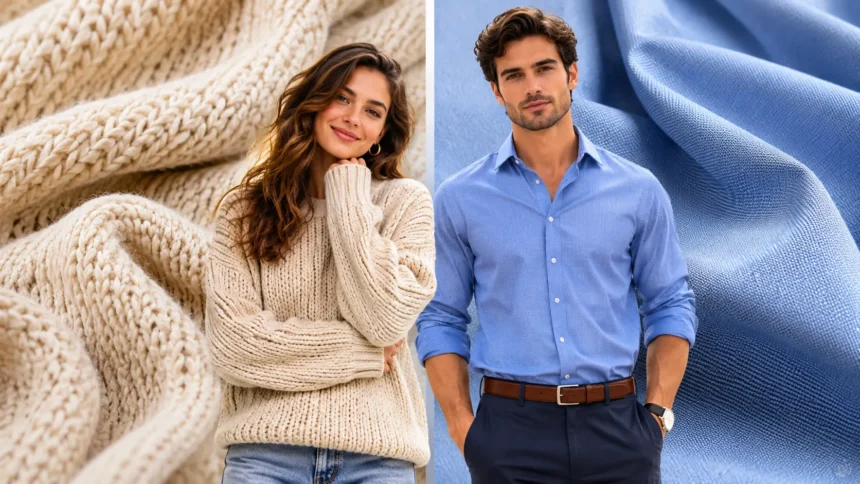
Understanding knit versus woven fabric is important when choosing comfortable, durable, and stylish clothing. These two fabric types differ mainly in how their yarns are arranged. Knit fabrics are created using interconnected loops, while woven fabrics feature yarns crossing over and under each other. These construction methods influence flexibility, texture, appearance, and how garments behave during everyday activities.
Knit fabric is commonly found in T-shirts, sweaters, leggings, and casual dresses. Its looped construction allows many knitted materials to stretch naturally without requiring additional elastic fibers. Woven fabric appears in button-down shirts, jeans, jackets, and tailored trousers. Its interlaced structure often provides greater shape stability, making it useful for clothing that requires defined lines and a structured appearance.
Neither fabric type is automatically better because both serve different purposes. Knitted materials often provide flexibility and casual comfort, while woven textiles can offer crisp finishes and reliable structure. However, their properties also depend on fiber composition, fabric weight, and manufacturing techniques. Learning these differences makes it easier to select suitable clothing for different occasions and seasons.
How Is Knit Fabric Made?
Knit fabric is manufactured by forming yarn into a series of interconnected loops. These loops create a flexible structure that can expand and recover during movement. Knitting can be performed by hand or through industrial machines designed for large-scale textile production. The resulting fabric may be lightweight, thick, smooth, or textured depending on the yarn and knitting method.
Two major knitting methods are weft knitting and warp knitting. Weft knitting forms loops across the fabric and is commonly used for T-shirts, sweaters, and everyday jersey materials. Warp knitting uses multiple yarns arranged lengthwise and often produces stable fabrics. Both techniques can create materials with different levels of stretch, durability, and surface texture.
Knitted fabrics are produced using natural fibers, synthetic fibers, and various blends. Cotton jersey offers a familiar soft feel, while polyester knits are common in sportswear. Wool knits provide warmth through their fiber properties and fabric structure. Understanding these variations helps explain why different knitted garments may behave differently despite sharing the same basic construction method.
How Is Woven Fabric Made?
Woven fabric is created by interlacing two sets of yarns at right angles. The lengthwise yarns are called warp, while the crosswise yarns are known as weft. A weaving machine or traditional loom moves these yarns into an organized structure. This construction often produces fabrics with greater dimensional stability than similarly weighted knitted materials.
Different weaving patterns influence the fabric’s appearance and performance. Plain weave uses a simple over-and-under arrangement, while twill weave creates diagonal surface lines. Satin weave can produce a smooth surface with an attractive sheen. These variations make woven textiles suitable for everything from breathable summer shirts to structured jackets and formal clothing.
Common woven materials include denim, poplin, canvas, chiffon, and many types of linen fabric. Some woven fabrics feel firm, while others are lightweight and flowing. Adding elastane or using specialized weaving techniques can also introduce stretch. Therefore, woven fabric should not automatically be considered stiff or uncomfortable without examining its individual characteristics.
Knit vs Woven Fabric: Understanding Stretch and Flexibility
Stretch is one of the most noticeable differences between knit and woven fabric. Knitted loops can change shape when pulled, allowing the material to extend in certain directions. This natural flexibility makes knit fabric popular for clothing worn during movement. However, the amount of stretch depends on the knitting structure, fibers, and fabric finishing.
Traditional woven fabrics generally stretch less because their yarns are tightly interlaced. They often maintain defined shapes, which makes them useful for tailored shirts, trousers, and jackets. However, woven fabrics cut on the bias can provide some flexibility. Stretch-woven materials containing elastane may also offer considerable movement while maintaining a structured appearance.
When choosing between these materials, consider how much flexibility your clothing needs. Knit leggings or jersey tops may feel comfortable during active routines. Woven trousers can offer a clean silhouette for professional settings. Testing garment movement before purchasing helps ensure that the fabric supports your activities without feeling restrictive or losing its intended shape.
Knit vs Woven Fabric: Comfort and Breathability
Comfort depends on several factors beyond whether a fabric is knitted or woven. Fiber composition, thickness, texture, and garment fit all influence how clothing feels. Lightweight cotton knits often feel soft and flexible against the skin. Meanwhile, loosely woven linen can provide excellent airflow during warm weather and create an equally comfortable clothing experience.
Breathability refers to how easily air and moisture vapor move through a fabric. Open constructions generally allow more airflow than tightly packed structures, although fiber properties also matter. Some knitted materials are highly breathable, while others retain warmth. Similarly, woven fabrics can range from airy summer textiles to dense materials designed for insulation.
Personal comfort also depends on the climate and intended activity. A loose woven shirt may feel cooler during humid weather than a thick jersey top. A flexible knit may feel more comfortable during stretching or casual movement. Comparing specific garments provides more useful information than assuming one construction method is always more breathable than the other.
Knit vs Woven Fabric: Durability and Maintenance
Durability is an important consideration when comparing knit and woven textiles. Woven fabrics often resist unwanted stretching because their interlaced yarns create a relatively stable structure. This makes certain woven materials useful for workwear, bags, and structured garments. However, durability also depends on yarn strength, fabric density, and how the textile is manufactured.
Knitted fabrics can provide excellent durability when made with suitable yarns and construction methods. Some knits resist tearing effectively because their loops distribute movement across the material. Nevertheless, loose knits may develop snags or lose their original shape. Certain knitted garments also experience pilling when friction causes fibers to gather into small surface balls.
Maintenance requirements vary considerably between individual fabrics. Cotton jersey may tolerate regular machine washing, while delicate wool knitwear often needs gentler handling. Woven silk and certain tailored garments may require specialized cleaning. Always check the garment’s care label rather than assuming every knit or woven item can be washed using the same method.
Common Examples of Knit Fabric in Everyday Clothing
T-shirts are among the most familiar examples of knitted clothing. Most everyday T-shirts use jersey fabric, which offers softness and natural flexibility. This structure allows the garment to move comfortably with the wearer. Jersey can be manufactured from cotton, polyester, viscose, and blends that create different textures and performance characteristics.
Sweaters and cardigans are other common knitted garments. Their construction may include ribbed patterns, cable designs, or smooth knitted surfaces. Depending on yarn composition and thickness, these items can provide warmth or serve as lightweight layers. Knitted sweaters are particularly useful for creating comfortable outfits during autumn and winter.
Activewear frequently uses knitted materials because flexibility is important during movement. Leggings, athletic tops, and some sports jackets contain engineered knit fabrics designed for specific activities. Polyester and elastane blends are common in these applications. However, not all knitted fabrics are suitable for exercise, so garment construction and performance features should guide purchasing decisions.
Common Examples of Woven Fabric in Everyday Clothing
Button-down shirts are common examples of woven garments. Many use cotton poplin, oxford cloth, or other woven materials that provide a clean and structured appearance. These fabrics can create sharp collars and defined cuffs. Their stability makes them practical for professional clothing, uniforms, and everyday outfits that require a polished finish.
Denim jeans are another familiar example of woven fabric. Most traditional denim uses a twill construction that creates recognizable diagonal lines. This structure contributes to denim’s appearance and durability. Modern jeans may include elastane for additional stretch, showing how woven garments can combine structure with flexibility.
Woven fabrics are also widely used for dresses, skirts, jackets, and tailored trousers. Lightweight chiffon can create flowing silhouettes, while thicker canvas provides strength and structure. Linen weaves are popular for warm-weather clothing because of their texture and airflow. These examples demonstrate the wide variety of garments that woven textiles can produce.
How to Identify Knit and Woven Fabric Easily
One simple way to identify knit fabric is to examine its surface closely. Many knitted materials display small loops or rows resembling tiny interlocking shapes. Jersey fabric may show a different appearance on its front and back surfaces. Woven materials usually reveal yarns crossing horizontally and vertically when examined carefully.
A gentle stretch test can also provide useful clues. Many knit fabrics extend easily in at least one direction because their loops change shape. Traditional woven materials often show less movement when pulled along their main yarn directions. However, stretch-woven fabrics can behave similarly to knits, so flexibility alone is not always a reliable identification method.
Another useful clue is how an unfinished fabric edge behaves. Some knitted materials curl or unravel into loops, while woven fabrics often fray into separate yarns. These characteristics vary with fabric construction and finishing. Combining visual inspection with the stretch test provides a more reliable understanding of whether a textile is knitted or woven.
How to Style Knit Fabric for Casual Outfits
Knit clothing is especially useful for comfortable everyday styling. A plain jersey T-shirt paired with straight-leg jeans creates a simple outfit suitable for many casual activities. Add comfortable sneakers and a lightweight jacket when necessary. This combination works because flexible knitwear complements the structured appearance of denim without requiring complicated accessories.
For a relaxed weekend outfit, pair a knitted sweater with cotton trousers or casual chinos. Neutral colors such as cream, gray, olive, and navy make coordination easier. A textured sweater can add visual interest while maintaining a comfortable appearance. Choose a fit that allows natural movement and suits your preferred style.
Knitted dresses offer another versatile option for casual wardrobes. A ribbed knit dress can be worn with flat shoes and a simple crossbody bag. During cooler weather, add a cardigan or structured jacket. Mixing soft knit textures with firmer materials helps create balanced outfits that feel comfortable throughout everyday activities.
How to Style Woven Fabric for Smart Casual Outfits
Woven clothing works well when an outfit requires a slightly more structured appearance. A cotton poplin shirt paired with tailored trousers creates a simple smart casual combination. Add loafers or clean sneakers depending on the occasion. The shirt’s defined collar and smooth finish help maintain a polished look without excessive styling.
For relaxed smart casual outfits, combine woven linen trousers with a lightweight knitted top. This pairing balances structure and softness while allowing comfortable movement. Neutral shades create a coordinated appearance, while subtle color contrasts add personality. The combination can work for informal meetings, daytime gatherings, and casual office environments.
Woven skirts and dresses also provide attractive styling possibilities. An A-line skirt made from cotton twill can be paired with a simple fitted top. Add a cardigan or blazer when additional layering is needed. Choosing complementary fabric weights helps the outfit maintain a comfortable and visually balanced silhouette.
Mixing Knit and Woven Fabrics in One Outfit
Combining knit and woven clothing is an effective way to create interesting outfits. The contrast between flexible and structured materials adds visual depth without requiring bold patterns. A knitted sweater worn with woven trousers is a familiar example. This combination works well because each material contributes a different texture and overall appearance.
For casual styling, pair a jersey T-shirt with a denim jacket and relaxed chinos. The soft knit top provides flexibility, while the woven layers create structure. Similarly, a knitted cardigan can complement a woven cotton dress. These combinations offer practical options for changing temperatures and everyday activities.
Color coordination helps mixed-fabric outfits feel connected. Choose complementary shades and experiment with textures rather than relying entirely on complicated designs. For example, a smooth woven skirt can look attractive with a textured knit sweater. The goal is to combine materials thoughtfully while maintaining comfort and personal style.
Knit vs Woven Fabric for Summer Clothing
Summer clothing should provide comfort, suitable airflow, and practical movement. Lightweight knitted cotton T-shirts are popular because they feel soft and flexible. However, thick knits can retain warmth, especially when the fabric structure limits ventilation. Choosing lightweight garments with comfortable cuts helps improve their suitability for warmer conditions.
Woven fabrics can also work particularly well during summer. Loosely woven linen shirts, cotton voile tops, and lightweight dresses allow air to move through the material. Their structures may provide a comfortable alternative to heavier knitted clothing. However, tightly woven or heavily lined garments can still feel warm regardless of their fiber composition.
For a practical summer outfit, combine a knitted cotton T-shirt with woven linen shorts. Alternatively, wear a loose woven shirt over a lightweight knit top when layering is appropriate. Consider the climate, fabric thickness, and garment fit before choosing materials. Both knit and woven fabrics can support comfortable summer styling when selected carefully.
Knit vs Woven Fabric for Winter Clothing
Winter outfits often depend on layering materials that provide warmth and comfort. Knitted sweaters, thermal tops, and cardigans are popular because their structures can help trap insulating air. Wool knits are especially useful in cooler conditions. However, warmth depends on the fiber, fabric thickness, and overall garment design rather than knitting alone.
Woven fabrics also play an important role in winter clothing. Wool coats, denim jackets, and tightly woven outerwear can help protect against cold air. Some woven materials are designed to reduce wind penetration and provide durable outer layers. Combining them with suitable knitted garments creates a practical approach to seasonal dressing.
For everyday winter styling, wear a knitted sweater beneath a woven wool coat. Add comfortable trousers, suitable footwear, and accessories appropriate for the weather. A knitted scarf can provide an additional layer when needed. This combination demonstrates how both fabric constructions contribute different functions to comfortable cold-weather clothing.
Which Fabric Is Better for Activewear?
Activewear requires fabrics that support movement, manage moisture, and maintain comfort during exercise. Knit fabrics are commonly used because their looped construction allows flexibility. Athletic leggings, training shirts, and performance tops often contain engineered knits. These garments may also incorporate elastane and moisture-management finishes to improve their functional properties.
Woven fabrics can also perform well in activewear when designed for specific activities. Lightweight woven running shorts and outdoor jackets may provide durability and reduced wind penetration. Stretch-woven trousers can offer flexibility while maintaining a more structured appearance. The ideal material depends on the activity and the performance requirements of the garment.
For activities involving frequent stretching, flexible knit garments may be particularly comfortable. For hiking or outdoor activities, durable woven outer layers may provide useful protection. Many sportswear designs combine both constructions to balance mobility and durability. Evaluating fabric performance is more helpful than assuming one category is universally better for exercise.
How to Wash and Care for Knit Fabrics
Knitted garments often require careful handling because their looped construction can stretch under tension. Always check the care label before washing. Many everyday cotton and synthetic knits can be machine-washed using suitable settings. Delicate materials may benefit from gentle cycles or hand washing to reduce unnecessary friction.
Drying methods can influence how knitted clothing maintains its shape. Hanging heavy wet sweaters may cause stretching because water adds additional weight. Laying suitable garments flat allows them to dry without excessive pulling. Using appropriate temperatures also helps prevent shrinkage and damage to sensitive fibers.
Storage is another important consideration for knitted clothing. Heavy sweaters are often better folded than hung because prolonged hanging can distort their shape. Avoid overcrowding drawers or placing delicate knits against rough accessories. Thoughtful washing and storage can help preserve the appearance and comfort of knitted garments.
How to Wash and Care for Woven Fabrics
Woven fabrics have different maintenance requirements depending on their fiber composition and construction. Cotton shirts and denim jeans often tolerate routine machine washing when their labels allow it. Delicate woven materials may require gentler handling. Following recommended temperatures and cleaning instructions helps maintain fabric quality.
Some woven garments develop wrinkles more easily than knitted alternatives. Linen and certain cotton weaves may require ironing or steaming to restore a smooth appearance. However, polyester-blend woven fabrics can offer greater wrinkle resistance. Always select a suitable temperature when ironing because excessive heat can damage sensitive fibers or finishes.
Proper storage helps woven clothing maintain its intended shape. Tailored shirts and jackets may benefit from appropriate hangers, while certain delicate items are better folded. Avoid exposing garments to unnecessary moisture or direct sunlight during long-term storage. These habits support durability and help clothing remain ready for everyday use.
Common Mistakes When Choosing Knit or Woven Fabric
One common mistake is assuming knitted fabric is always soft and woven fabric is always stiff. Both categories include materials with different textures and levels of flexibility. Manufacturing methods, yarn selection, and finishing processes influence how fabrics feel. Examining individual garments provides more reliable information than making decisions based entirely on construction type.
Another mistake involves selecting fabric without considering the intended activity. A highly structured woven garment may feel restrictive during frequent movement, while a loose knit may not provide the appearance required for formal clothing. Choosing the right construction helps support comfort and practicality. Fabric weight and fit should also influence purchasing decisions.
Finally, avoid ignoring care labels when purchasing clothing. Some knitted garments require gentle washing, while certain woven materials need specialized cleaning. Improper maintenance can cause shrinkage, distortion, or premature wear. Understanding these requirements before buying helps you choose clothing that fits your lifestyle and maintenance preferences.
Conclusion
Understanding knit versus woven fabric makes clothing selection easier and more practical. Knit materials use interconnected loops that often provide flexibility, while woven fabrics use interlaced yarns that frequently create greater structure. Both constructions offer different advantages depending on fiber composition and garment design. Recognizing these characteristics helps you choose suitable clothing for everyday activities.
Styling knit and woven fabrics together creates versatile outfits for different occasions. Knitted T-shirts, sweaters, and dresses offer comfortable options, while woven shirts, trousers, and jackets provide structured alternatives. Mixing textures can produce balanced looks without complicated accessories. Seasonal conditions and personal comfort should guide fabric combinations.
The best fabric choice ultimately depends on how you plan to wear and maintain the garment. Consider stretch, breathability, durability, and washing requirements before making a purchase. Neither construction is universally superior because both serve important purposes. With thoughtful selection, knit and woven fabrics can complement each other in a comfortable and functional wardrobe.
Frequently Asked Questions
What is the main difference between knit and woven fabric?
Knit fabric is made from interconnected yarn loops, while woven fabric uses two sets of interlaced yarns. Knits often stretch naturally, whereas woven materials generally offer greater structural stability.
Is knit fabric more comfortable than woven fabric?
Knit fabrics often feel flexible and comfortable during movement, but comfort depends on fiber composition, thickness, construction, and fit. Lightweight woven materials can also feel extremely comfortable, especially in warm weather.
Are jeans made from knit or woven fabric?
Traditional denim jeans are made from woven fabric, usually using a twill construction. Some modern jeans contain elastane for stretch, while certain denim-look garments use knitted materials instead.
Which fabric is better for summer, knit or woven?
Both can work well during summer. Lightweight cotton knits offer softness and flexibility, while breathable woven linen and cotton fabrics provide comfortable airflow. Fabric weight and construction matter more than the category alone.
How can I tell whether a fabric is knit or woven?
Examine the fabric for interconnected loops or crossing yarns. Knitted materials often stretch more easily, while woven fabrics commonly have greater stability. Surface appearance and unfinished-edge behavior can provide additional clues.