

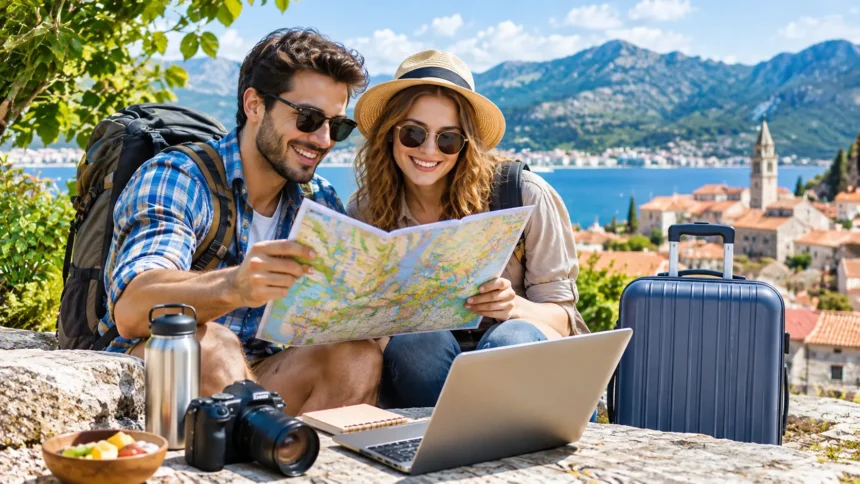
Budget travel tips can help you explore exciting destinations, experience new cultures, and create memorable adventures without spending more than you can comfortably afford. Traveling on a budget does not mean avoiding enjoyable activities or choosing uncomfortable accommodations. Instead, it involves making thoughtful decisions about transportation, lodging, food, attractions, and daily expenses. With the right planning, even a limited travel budget can support a rewarding journey.
Whether you are planning a weekend getaway, a family vacation, or an international adventure, small savings can make a meaningful difference. Flexible travel dates, affordable accommodation, public transportation, and free attractions can help you manage expenses. This guide shares practical ways to save money while traveling, avoid unnecessary costs, and make the most of every destination.
Why Budget Travel Is Worth Considering
Budget travel allows you to discover new places while keeping your spending aligned with your financial priorities. Instead of choosing expensive experiences automatically, you can focus on activities that genuinely interest you. This approach encourages thoughtful planning and helps you recognize which expenses matter most. Affordable travel can still include comfortable accommodation, memorable meals, and meaningful cultural experiences.
Another advantage of traveling on a budget is the flexibility it can provide. Money saved on transportation or accommodation may allow you to extend your trip or explore additional attractions. You might also have more freedom to visit multiple destinations during one journey. However, saving money should never come at the expense of personal safety or essential comfort.
Budget-conscious travelers often discover interesting experiences beyond popular tourist attractions. Local markets, public parks, walking routes, and community events can provide opportunities to explore a destination. These activities may also offer a different perspective on everyday local life. Thoughtful spending makes it easier to enjoy travel without constantly worrying about unnecessary expenses.
Set a Realistic Travel Budget Before Booking
Creating a travel budget is one of the most important steps before planning any trip. Start by determining how much money you can comfortably spend without affecting essential financial responsibilities. Consider transportation, accommodation, meals, attractions, travel insurance, and other expected expenses. A realistic budget provides a clear starting point for making decisions throughout the planning process.
Separate your spending into categories so you understand where your money will go. Transportation and accommodation are often significant expenses, while food and activities create ongoing daily costs. Research typical prices at your destination instead of relying entirely on assumptions. This information helps you identify areas where adjustments could make your trip more affordable.
Include a separate amount for unexpected expenses such as transportation changes or urgent purchases. A financial buffer can reduce stress when plans do not go exactly as expected. Review your estimated costs before making nonrefundable reservations. Planning carefully helps you avoid committing to expenses that exceed your available travel funds.
Choose Affordable Travel Destinations
Choosing the right destination can make a substantial difference to your overall travel expenses. Accommodation, transportation, food, and attraction prices vary widely between cities and countries. Some destinations offer affordable public transportation and inexpensive local dining, while others have significantly higher daily costs. Comparing typical expenses helps you identify places that match your budget.
Consider exploring destinations that receive less international tourism but still provide enjoyable experiences. Smaller cities and regional towns may offer lower accommodation prices than major tourist centers. They can also feature historical attractions, scenic landscapes, and local cultural activities. However, transportation availability and safety should remain important considerations when evaluating less familiar locations.
You can also compare destinations based on your interests rather than choosing only the cheapest option. Nature lovers may enjoy national parks and walking trails, while history enthusiasts may prefer cities with museums and historical neighborhoods. Selecting a destination that matches your priorities helps prevent unnecessary spending. The best affordable destination offers experiences you value at a manageable total cost.
Travel During the Off-Season to Save Money
Traveling outside peak tourist periods can help reduce accommodation and transportation costs. Popular destinations often experience higher demand during major holidays, school vacations, and seasonal events. Visiting during quieter months may provide more affordable options. You may also encounter smaller crowds at attractions, restaurants, and other frequently visited locations.
Shoulder season is another useful option for travelers seeking a balance between prices and conditions. It refers to periods between a destination’s busiest and quietest travel seasons. Depending on the location, these months may offer pleasant weather and lower demand. Research local seasonal patterns because weather, opening hours, and transportation schedules can vary significantly.
Before booking an off-season trip, check whether important attractions remain accessible. Some destinations experience heavy rainfall, extreme temperatures, or seasonal closures during cheaper months. Lower prices are not always worthwhile if conditions prevent you from enjoying planned activities. Comparing costs alongside weather and availability helps you make a more informed decision.
Find Cheap Flights Without Sacrificing Convenience
Flight expenses can represent a large portion of an international travel budget. Comparing fares across different airlines and departure dates can help you identify affordable options. Use flight comparison websites to review available routes and prices. Remember that the lowest advertised fare may not include baggage, meals, seat selection, or other services.
Flexibility can improve your chances of finding reasonably priced tickets. Traveling a day earlier or later may sometimes produce noticeable savings. Nearby airports can also provide alternative routes worth comparing. However, include additional ground transportation costs before deciding whether a cheaper airport actually offers better value.
Review ticket conditions carefully before completing your reservation. Some budget airlines charge separately for checked luggage, changes, and other optional services. A slightly more expensive ticket may provide better overall value when essential extras are included. Comparing total costs rather than headline prices helps prevent surprises during your journey.
Book Accommodation That Fits Your Budget
Affordable accommodation does not necessarily mean choosing the lowest-priced property available. Location, cleanliness, safety, and access to transportation all influence the overall value of a stay. Budget hotels, guesthouses, hostels, and vacation rentals may offer suitable options. Compare different property types based on your needs and the length of your trip.
Staying slightly outside a major tourist district can sometimes reduce accommodation expenses. However, transportation costs and travel time may offset the initial savings. Look for neighborhoods with convenient public transportation and access to essential services. Reading recent guest reviews can also help you understand whether the property matches its description.
Consider accommodations that include practical amenities such as breakfast, kitchen access, or laundry facilities. These features may reduce additional spending during longer trips. Check cancellation policies, taxes, cleaning charges, and other fees before booking. A transparent total price makes it easier to compare properties and avoid unexpected expenses.
Save Money on Food While Traveling
Food is an important part of travel, but restaurant expenses can increase quickly without planning. Eating every meal in popular tourist districts may cost more than exploring local dining options. Look for reasonably priced restaurants, food markets, and casual eateries. Trying local dishes can provide enjoyable cultural experiences without requiring expensive fine dining.
Accommodation with kitchen facilities can be useful for travelers planning longer stays. Preparing breakfast or occasional simple meals may reduce daily food expenses. Grocery stores also provide affordable snacks, fruit, and drinks for sightseeing days. However, remember that cooking is not always convenient or economical during short trips.
Set a flexible daily food budget rather than limiting yourself to the cheapest possible meals. You may want to enjoy a special restaurant or regional dish during your trip. Balancing affordable everyday options with occasional treats creates a more satisfying experience. Follow appropriate food hygiene practices and choose drinking water that is safe at your destination.
Use Public Transportation Instead of Expensive Transfers
Public transportation is often one of the most affordable ways to explore a destination. Buses, trains, trams, and metro systems can connect major attractions and residential neighborhoods. Many cities offer daily or multi-day travel passes that may reduce costs for frequent journeys. Comparing available ticket options helps determine which provides the best value.
Walking can also be a practical way to discover compact city centers. It allows you to explore streets, parks, and attractions at a comfortable pace. However, consider distance, weather, accessibility, and local safety conditions before planning long walking routes. Comfortable footwear and realistic schedules can help make sightseeing more enjoyable.
Airport transfers deserve particular attention because they can create unexpected travel expenses. Research public transportation connections before arriving, especially when landing late at night. Official airport buses and trains may provide affordable alternatives to private transfers. Choose reputable transportation services and prioritize safe, reliable travel over small potential savings.
Discover Free and Low-Cost Attractions
Many destinations offer enjoyable attractions that require little or no admission fee. Public parks, walking trails, historical neighborhoods, and waterfront areas can provide memorable sightseeing opportunities. Some museums and cultural institutions also offer free admission on selected days. Research these opportunities before traveling so you can include them in your itinerary.
Walking tours can provide useful introductions to a city’s history and culture. Some operate on a pay-what-you-wish basis, while others charge a fixed fee. Check the conditions before participating because gratuities or reservations may still be expected. Exploring independently with reliable visitor information is another way to enjoy local landmarks.
Local festivals, community exhibitions, and public events may also provide affordable entertainment. Availability varies by destination and season, so checking official event calendars can be helpful. Avoid assuming that every attraction advertised as free has no associated charges. Planning a mixture of free and paid activities can create an enjoyable itinerary without exceeding your budget.
Pack Smart to Avoid Extra Travel Expenses
Thoughtful packing can help you avoid unnecessary spending before and during your trip. Start by checking your airline’s baggage allowance, including size and weight restrictions. Packing within permitted limits may prevent additional luggage charges. A suitable packing list also reduces the likelihood of forgetting essentials that would need to be purchased later.
Choose versatile clothing that can be combined into several outfits. Consider the destination’s weather, cultural expectations, and planned activities when selecting items. Comfortable walking shoes and appropriate outerwear can be especially useful. Packing practical clothing helps reduce luggage volume without making your trip unnecessarily restrictive or uncomfortable.
Bring essential travel documents, approved personal care items, and chargers suitable for your devices. A reusable water bottle may also be helpful where safe drinking water is available. Keep valuable documents and necessary medication accessible according to transportation requirements. Avoid carrying excessive belongings that could make moving between destinations difficult.
Use Travel Rewards and Discounts Carefully
Travel rewards programs can sometimes reduce the cost of flights, accommodation, or selected services. Airlines and hotel companies may provide loyalty benefits to frequent customers. However, the value of rewards depends on program conditions and how often you travel. Compare actual prices before assuming that a reward-based reservation offers the best deal.
Students and other eligible travelers may qualify for discounts at museums, transportation providers, and cultural attractions. Some cities also offer visitor passes that combine admission to several attractions. These passes can be useful when you plan to visit enough included locations. Calculate the individual admission costs before purchasing a bundled pass.
Discount codes and limited-time promotions may provide additional savings, but they should not encourage unnecessary spending. Check booking conditions, expiration dates, and cancellation restrictions carefully. Avoid unfamiliar websites that request suspicious payments or personal information. Reliable discounts should make planned travel more affordable rather than pressure you into purchases you do not need.
Avoid Hidden Fees and Unexpected Travel Costs
Hidden charges can quickly increase the total cost of a seemingly affordable trip. Airline baggage fees, accommodation taxes, currency conversion charges, and transportation surcharges are common examples. Review the complete price before paying for any service. Understanding these additional expenses makes it easier to compare different travel options accurately.
Currency exchange is another area where travelers may encounter unexpected costs. Banks, exchange providers, and payment services can apply different rates and fees. Compare legitimate options before exchanging money or withdrawing cash abroad. When offered a choice of payment currency, review the conversion terms rather than automatically accepting the suggested option.
Mobile data and roaming charges can also become expensive during international travel. Check your provider’s international plans and compare them with legitimate local connectivity options. Downloading useful maps before departure may reduce your dependence on mobile data. Preparing for these costs helps you stay connected without unexpected charges.
Plan a Flexible Travel Itinerary
A well-organized itinerary can help reduce unnecessary transportation expenses and wasted time. Group attractions located near one another instead of repeatedly traveling across the same city. This approach may allow you to explore more places using fewer journeys. It also creates a more relaxed schedule with less pressure to rush between activities.
Avoid filling every hour with expensive attractions or reservations. Leave space for spontaneous discoveries, relaxing breaks, and free local experiences. Some of the most memorable travel moments happen during ordinary walks or unexpected cultural encounters. A flexible schedule allows you to adjust plans when weather or transportation conditions change.
Research opening hours and reservation requirements for attractions you particularly want to visit. Some popular experiences sell out in advance, while others have limited seasonal availability. Booking important activities early can prevent disappointment, but avoid unnecessary nonrefundable purchases. Balance advance planning with enough flexibility to respond to changing circumstances.
Budget Travel Tips for Families and Groups
Traveling with family members or friends can create opportunities to share certain expenses. Group accommodation, transportation, and selected activities may cost less per person when divided fairly. However, larger groups can also face additional coordination challenges. Discuss spending expectations before departure to prevent misunderstandings during the trip.
Family travelers may benefit from accommodations with kitchens, laundry facilities, and convenient transportation connections. These amenities can simplify daily routines and reduce certain expenses. When traveling with children, check age-based admission discounts and family ticket options. Comfort, accessibility, and appropriate rest breaks should remain part of the planning process.
Group travelers should agree on which activities are essential and which are optional. Not everyone needs to participate in every paid experience. Allowing different interests and spending preferences can make the journey more enjoyable. Keeping shared expenses clear and organized helps everyone understand their responsibilities without unnecessary financial pressure.
Stay Safe While Traveling on a Budget
Saving money should never require compromising important safety considerations. Research neighborhoods, accommodation options, and transportation services before making reservations. Check official travel guidance and understand any local requirements that apply to your destination. Choosing a reliable service may be worthwhile even when a cheaper alternative exists.
Travel insurance is another expense worth evaluating carefully. Suitable coverage may help with unexpected medical situations, cancellations, or travel disruptions, depending on the policy. Compare coverage limits, exclusions, and eligibility requirements before purchasing. The cheapest policy is not necessarily the most useful if it excludes risks relevant to your trip.
Keep important documents secure and maintain access to emergency contact information. Share your general itinerary with a trusted person when appropriate. Use official transportation options and remain aware of local conditions. Practical safety planning helps reduce preventable problems and supports a more comfortable travel experience.
Track Your Spending During the Trip
Tracking travel expenses helps you understand whether your spending remains within your planned budget. You can use a simple notebook, spreadsheet, or budgeting application to record purchases. Separate essential costs from optional activities so you can identify where adjustments may be useful. Regular reviews help prevent small expenses from accumulating unnoticed.
Consider setting a flexible daily spending target for food, transportation, and entertainment. Some days may cost more because of planned attractions, while others require less spending. Looking at your overall trip budget provides a more realistic picture than treating every day identically. This approach encourages thoughtful decisions without making travel unnecessarily stressful.
If expenses exceed expectations, review the remaining itinerary before making changes. You may be able to replace an expensive activity with a free attraction or use public transportation instead of private transfers. Avoid cutting essential meals, accommodation safety, or other important needs. Responsible adjustments help protect both your travel experience and financial plans.
Common Budget Travel Mistakes to Avoid
One common mistake is focusing exclusively on the cheapest advertised price. A low-cost flight with expensive baggage fees or inconvenient airport transfers may ultimately cost more. Similarly, distant accommodation can create additional transportation expenses. Compare the full cost of each option rather than relying on the initial price.
Another mistake involves creating an unrealistic itinerary with too many activities. Frequent transportation, admission fees, and rushed meals can increase spending while reducing enjoyment. Prioritize experiences that matter most and leave space for affordable alternatives. A smaller number of meaningful activities can provide a more satisfying trip than an overcrowded schedule.
Travelers sometimes forget to budget for unexpected changes or necessary purchases. Weather disruptions, delayed transportation, and overlooked fees can affect even carefully planned journeys. Maintaining a reasonable financial buffer helps manage these situations. Good budget travel planning involves flexibility and preparation rather than attempting to eliminate every possible expense.
How to Make Budget Travel More Enjoyable
Affordable travel becomes more rewarding when you focus on experiences rather than the amount spent. Enjoying a scenic walking route, visiting a local market, or exploring a historical neighborhood can be memorable. Expensive attractions are not automatically better than free alternatives. Choosing activities based on personal interests helps make each destination meaningful.
Allow time to experience the local atmosphere instead of constantly moving between attractions. Visiting public spaces, trying affordable regional foods, and learning about local customs can add depth to a trip. Respect community traditions and follow visitor guidelines when exploring unfamiliar places. Thoughtful travel encourages appreciation without requiring excessive spending.
Finally, recognize that budget travel looks different for everyone. Some travelers prioritize private accommodation, while others prefer spending more on activities or transportation convenience. There is no single formula that works for every destination or traveler. The most successful approach balances affordability, safety, comfort, and the experiences you genuinely value.
Conclusion
Budget travel tips can help you explore more destinations while keeping expenses manageable. Choosing affordable locations, traveling during quieter seasons, comparing transportation options, and selecting practical accommodation can reduce unnecessary costs. Small decisions throughout the planning process often contribute to meaningful overall savings.
Traveling affordably also involves making thoughtful choices during the journey. Public transportation, free attractions, local dining, and flexible itineraries can provide enjoyable experiences without excessive spending. Tracking expenses and preparing for unexpected costs helps you maintain financial control while still allowing room for memorable activities.
The goal of budget travel is not to spend as little as possible at every opportunity. It is to use your available money wisely while protecting comfort, safety, and enjoyment. With realistic planning and a willingness to explore different options, you can discover exciting places and create lasting memories without overspending.
Frequently Asked Questions
What is the best way to travel on a budget?
Start by setting a realistic budget and comparing destinations, flights, and accommodation costs. Travel during less expensive seasons when practical, use public transportation, and combine free attractions with carefully selected paid activities.
How can I save money on flights and hotels?
Compare prices across different booking dates and reputable platforms. Consider flexible departure dates, alternative airports, and accommodations outside expensive tourist districts, while checking baggage fees, transportation costs, and cancellation policies.
Is budget travel safe for international trips?
Budget travel can be safe when you choose reputable accommodation, reliable transportation, and suitable travel insurance. Research local conditions, follow official travel guidance, and avoid sacrificing essential safety measures for lower prices.
How much money should I budget for daily travel expenses?
Daily travel costs depend on the destination, accommodation style, transportation, and planned activities. Research typical local expenses, estimate your expected spending, and include extra funds for unexpected situations or necessary changes.
Can I enjoy traveling without spending much money?
Yes, many destinations offer affordable experiences such as public parks, walking routes, markets, and selected free cultural attractions. Planning around your interests can help you enjoy memorable activities without relying on expensive tours.