

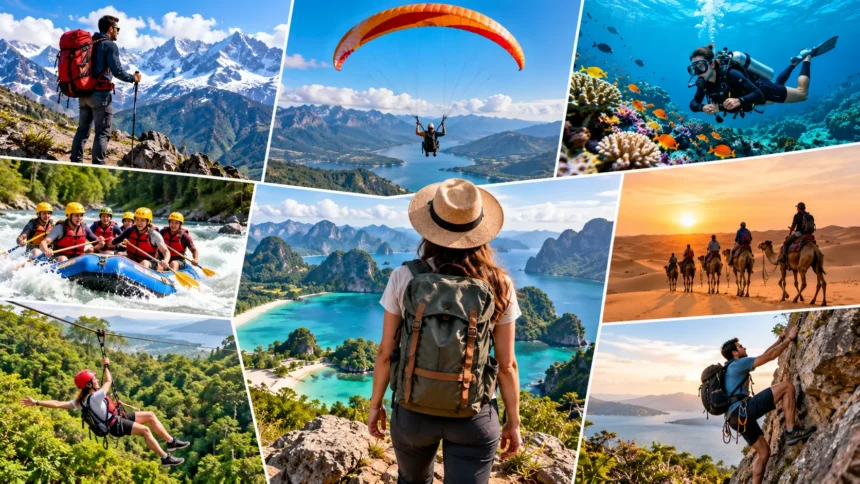
Travelling becomes more memorable when you explore beyond familiar places and experience something new. Whether you enjoy mountain landscapes, beautiful beaches, forests, or cultural discoveries, adventure can add excitement and meaning to your journey. The best adventurous things to do while travelling allow you to discover different environments, develop useful skills, and create lasting memories.
Adventure travel does not always involve extreme sports or physically demanding activities. Exploring a national park, kayaking on a calm lake, camping under the stars, or joining a guided wildlife tour can be equally rewarding. The right experience depends on your interests, abilities, destination, and comfort level.
If you are searching for adventurous things to do while travelling, this guide explores exciting activities suitable for different travel styles. You will discover outdoor experiences, water-based adventures, nature activities, and cultural explorations. It also explains how to choose suitable adventures, prepare essential equipment, and enjoy new destinations responsibly.
Why Adventure Activities Make Travelling More Exciting
Adventure activities introduce travelers to experiences that differ from their everyday routines. Exploring an unfamiliar landscape, learning an outdoor skill, or discovering a remote natural attraction can make a holiday feel more rewarding. These experiences encourage curiosity and provide opportunities to understand destinations beyond their most popular tourist attractions.
Another benefit of adventure travel is the opportunity to spend time outdoors and appreciate natural surroundings. Activities such as hiking, kayaking, and guided nature walks allow travelers to experience mountains, rivers, forests, and coastlines. The scenery and challenges vary between destinations, making each adventure different.
Adventure activities can also encourage teamwork, confidence, and adaptability when approached responsibly. Travelers may develop navigation skills, learn about local ecosystems, or improve communication through guided group experiences. Choosing activities appropriate to personal abilities helps ensure that adventure remains enjoyable rather than becoming an unnecessary source of risk.
1. Hiking Through Beautiful Mountain Trails
Hiking is one of the most popular adventurous things to do while travelling because it allows people to explore natural landscapes at their own pace. Mountain trails, forest paths, and coastal walking routes offer different scenery and experiences. Many destinations provide marked trails suitable for beginners and experienced hikers.
Famous hiking regions include the Swiss Alps, New Zealand’s national parks, and scenic mountain areas throughout Asia. Travelers can enjoy panoramic viewpoints, waterfalls, wildlife habitats, and peaceful natural surroundings. Choosing a trail based on distance, terrain, weather, and individual fitness is essential for a comfortable experience.
Responsible hiking requires suitable footwear, weather-appropriate clothing, drinking water, and reliable route information. Beginners should favor established trails and consider qualified local guides when conditions are unfamiliar. Checking forecasts and following park instructions helps reduce unnecessary risks while protecting the surrounding environment.
2. Camping Under the Stars
Camping offers an opportunity to experience nature beyond the usual hotel or resort environment. Spending time at an established campsite can provide beautiful scenery, peaceful evenings, and a closer connection to outdoor surroundings. Forests, lakesides, and mountain valleys are particularly attractive settings for camping holidays.
Many destinations provide organized campsites with designated spaces, sanitation facilities, and access to walking trails. These locations can be suitable for travelers who want outdoor experiences without visiting isolated wilderness areas. Camping also offers opportunities for stargazing, photography, and learning about local natural environments.
Preparation is important because outdoor conditions can change throughout the day. Travelers should use appropriate shelter, suitable sleeping equipment, and clothing designed for expected temperatures. Following campsite regulations, food storage guidance, and fire restrictions helps protect both visitors and natural habitats.
3. Kayaking on Lakes and Calm Rivers
Kayaking is an enjoyable water activity that allows travelers to explore lakes, sheltered coastlines, and suitable river environments. A kayak provides a different perspective of the surrounding scenery compared with walking along the shore. Calm-water experiences can be particularly appealing to beginners when supervised by qualified instructors.
Popular kayaking destinations include the lakes of Canada, coastal areas of Croatia, and scenic waterways in New Zealand. Guided outings may introduce travelers to quiet bays, impressive cliffs, and beautiful natural landscapes. The experience can combine gentle physical activity with opportunities to observe the surrounding environment.
Water safety should always be a priority when considering kayaking. Participants should wear properly fitted life jackets and follow instructions from qualified guides. Weather, currents, water temperature, and swimming ability must be considered before participating, even when the water initially appears calm.
4. Exploring Beautiful National Parks
National parks are excellent destinations for travelers who enjoy adventure, wildlife, and natural scenery. Protected landscapes may include mountains, forests, grasslands, lakes, and unusual geological formations. Exploring these environments provides opportunities to learn about conservation while experiencing some of the world’s most remarkable outdoor attractions.
Well-known examples include Yellowstone National Park in the United States, Banff National Park in Canada, and Kruger National Park in South Africa. Each destination offers different experiences, such as scenic viewpoints, designated walking routes, and wildlife observation. Available activities depend on local regulations and seasonal conditions.
Visitors should respect park rules and remain on approved routes where required. Wildlife must be observed from appropriate distances without feeding or disturbing animals. Checking visitor information and using authorized guides can help travelers enjoy national parks while supporting conservation and responsible tourism.
5. Joining a Guided Wildlife Safari
A wildlife safari provides opportunities to observe animals in their natural habitats. Popular safari regions include parts of Kenya, Tanzania, Botswana, and South Africa. Guided experiences can introduce travelers to local ecosystems while helping them understand animal behavior and conservation challenges.
Different safaris focus on different environments and species. Some take place in savannas, while others explore wetlands, forests, or protected reserves. A knowledgeable guide can explain the landscape, identify wildlife, and help visitors appreciate the ecological relationships within the region.
Responsible wildlife tourism requires choosing reputable operators that follow conservation and animal welfare standards. Visitors should remain inside designated vehicles when instructed and avoid approaching, touching, or feeding wild animals. Ethical observation supports a more respectful and safer experience for both people and wildlife.
6. Snorkeling in Tropical Waters
Snorkeling allows travelers to observe marine environments near the water’s surface. Suitable locations may offer views of colorful fish, coral formations, and other underwater life. Popular snorkeling destinations include the Maldives, the Great Barrier Reef region, and certain protected coastal areas of Southeast Asia.
Guided snorkeling experiences can introduce beginners to marine conservation and basic equipment. Calm, supervised conditions are particularly important for inexperienced participants. Water clarity, marine life, and weather conditions vary by location and season, so not every destination offers suitable conditions throughout the year.
Travelers should choose approved areas and follow guidance from qualified instructors or operators. Properly fitted flotation equipment may be appropriate, depending on conditions and individual ability. Avoiding contact with coral and marine animals helps protect delicate ecosystems while reducing unnecessary risks.
7. Enjoying a Scenic Hot Air Balloon Ride
A hot air balloon ride offers a memorable opportunity to view landscapes from above. Travelers may see valleys, fields, historic towns, or desert scenery from a completely different perspective. The peaceful atmosphere and panoramic views make balloon experiences attractive to people interested in sightseeing and photography.
Popular balloon destinations include Cappadocia in Türkiye and selected regions of Europe and Africa. Flights depend heavily on weather conditions, particularly wind speed and visibility. Reputable operators may cancel or postpone rides when conditions do not meet their safety requirements.
Travelers should select properly licensed operators with appropriate safety procedures and experienced pilots. Following the crew’s instructions is essential throughout the experience. Balloon rides may also have participation restrictions involving age, mobility, or health, which should be reviewed before making arrangements.
8. Discovering Caves on Guided Tours
Cave exploration introduces travelers to underground landscapes shaped by geological processes over thousands of years. Accessible cave systems may contain impressive rock formations, underground passages, and unusual natural features. Guided tours can provide an educational experience while allowing visitors to appreciate environments rarely seen above ground.
Popular destinations include the Waitomo Glowworm Caves in New Zealand and Postojna Cave in Slovenia. These attractions offer organized visitor experiences with established routes and professional supervision. Some caves are accessible through walking paths or specialized transport, depending on their layout.
Underground environments require special care because surfaces may be slippery and lighting can be limited. Visitors should remain on approved routes and follow guide instructions. Touching delicate formations or entering restricted sections can damage the environment and create safety concerns.
9. Cycling Through Scenic Countryside Routes
Cycling provides an active way to explore towns, rural communities, and beautiful natural landscapes. Many destinations offer dedicated cycling routes that pass through vineyards, lakesides, forests, and historic villages. These experiences allow travelers to appreciate smaller attractions that might be overlooked during faster transportation.
Popular cycling destinations include the Netherlands, parts of Denmark, and established countryside routes throughout Europe. Guided cycling tours can combine scenic journeys with cultural stops and local food experiences. Route difficulty varies, so travelers should choose distances and terrain that match their comfort and experience.
Suitable helmets, properly maintained bicycles, and awareness of local traffic rules are important. Beginners may prefer traffic-free cycling paths or organized tours. Checking weather conditions and understanding route requirements can help make cycling a pleasant part of a holiday.
10. Taking a Scenic Boat Tour
Scenic boat tours provide opportunities to explore rivers, lakes, fjords, and coastal landscapes. These experiences are particularly appealing in destinations where important attractions are visible from the water. Travelers can enjoy natural scenery while learning about the region through guided commentary.
Popular examples include boat excursions through Norway’s fjords, New Zealand’s Milford Sound, and selected Mediterranean coastal regions. Different tours focus on landscapes, wildlife, historic landmarks, or local culture. The experience may vary depending on the vessel, season, and operating conditions.
Choosing a licensed operator with suitable safety equipment is important. Travelers should follow crew instructions and consider weather conditions before departure. Boat tours may also require warm clothing or waterproof layers, particularly in cooler coastal environments.
11. Exploring Local Villages and Cultural Communities
Adventure travel can involve cultural discovery rather than physically demanding activities. Visiting traditional villages, historic neighborhoods, and local communities introduces travelers to different ways of life. These experiences may include architecture, traditional crafts, regional food, and community history.
Destinations throughout Europe, Asia, Africa, and South America offer cultural tours led by local guides. Such experiences can provide insight into customs and everyday traditions. Travelers may also discover smaller attractions that receive less attention than major tourist destinations.
Respectful cultural exploration requires understanding local expectations and community boundaries. Visitors should request permission before photographing individuals or entering private spaces. Supporting locally owned businesses and qualified community guides can contribute to more responsible tourism.
12. Trying Guided Rock Climbing Experiences
Rock climbing is an outdoor activity that challenges coordination, concentration, and physical problem-solving. Many destinations offer beginner sessions on supervised climbing walls or suitable natural formations. These experiences allow participants to learn foundational skills in controlled environments.
Guided climbing opportunities are available in various mountain and coastal regions. Professional instructors can explain equipment, movement techniques, and important safety principles. Beginners should choose programs that match their experience rather than attempting difficult outdoor routes independently.
Climbing involves inherent risks, making qualified supervision and appropriate safety equipment essential. Participants should follow instructor guidance and understand any health or participation restrictions. Well-organized beginner experiences can provide an introduction without encouraging unnecessary risk-taking.
13. Enjoying Snow Activities in Winter Destinations
Winter destinations offer distinctive outdoor experiences involving snow-covered landscapes and mountain scenery. Activities such as guided snowshoe walks and beginner winter sports lessons can introduce travelers to cold-weather environments. Popular regions include the European Alps, Canadian mountain resorts, and parts of northern Japan.
Snowshoeing is a particularly interesting way to explore designated winter trails. Organized excursions may provide equipment and guidance about local terrain. Ski resorts also offer beginner programs, although participation requirements and conditions vary according to the activity and destination.
Cold-weather activities require suitable clothing and professional instruction where appropriate. Weather changes, icy surfaces, and mountain conditions can create hazards. Travelers should remain within approved areas and avoid unfamiliar backcountry terrain without qualified guidance.
14. Taking a Desert Excursion With Local Guides
Desert landscapes provide unique opportunities to explore dunes, rock formations, and wide-open natural scenery. Guided desert tours can introduce travelers to the geography, wildlife, and cultural traditions of arid regions. Famous destinations include the Arabian Desert, the Sahara, and selected protected desert landscapes.
Some tours focus on scenic viewpoints, traditional hospitality, and photography during sunrise or sunset. Others include visits to established desert camps or cultural attractions. The best experience depends on seasonal temperatures, travel arrangements, and the activities provided by the operator.
Desert environments can become extremely hot or cold depending on the time of day and season. Travelers should select reputable guides, carry suitable clothing, and follow hydration and safety recommendations. Respecting protected habitats and avoiding unauthorized driving areas helps preserve delicate desert ecosystems.
15. Exploring Waterfalls and Nature Trails
Waterfalls are among the most beautiful natural attractions travelers can discover. Many are accessible through established walking routes, national parks, or guided sightseeing tours. The combination of flowing water, surrounding vegetation, and dramatic rock formations creates excellent opportunities for nature appreciation and photography.
Famous waterfall destinations include Niagara Falls, Iguazu Falls, and numerous protected sites across Iceland and Southeast Asia. Viewing platforms and designated trails allow visitors to appreciate these landscapes from appropriate distances. Seasonal rainfall can influence waterfall volume and accessibility.
Travelers should remain behind barriers and avoid entering restricted areas near waterfalls. Wet rocks, strong currents, and steep terrain can create serious hazards. Choosing established viewpoints and following local safety guidance helps visitors experience these attractions responsibly.
How to Choose the Best Adventure Activities While Travelling
Choosing suitable adventure activities begins with understanding your interests and personal abilities. Some travelers prefer gentle nature walks or cultural exploration, while others enjoy guided outdoor sports. There is no single definition of adventure, and meaningful travel experiences do not need to involve extreme physical challenges.
The destination’s environment also influences which activities are practical. Coastal regions may offer snorkeling and boat tours, while mountain destinations provide hiking and winter scenery. Seasonal weather, available infrastructure, and local regulations can affect which experiences are suitable during a particular trip.
Budget and accessibility should also be considered before making arrangements. Some attractions are inexpensive, while guided activities may involve equipment rental and professional supervision costs. Comparing legitimate operators and checking participation requirements can help travelers choose experiences that are both enjoyable and appropriate.
Essential Things to Pack for Adventure Travel
Packing for adventure travel requires careful consideration of the destination, weather, and planned activities. Comfortable clothing, suitable footwear, drinking water, and personal identification are common essentials. Specialized activities may require additional equipment, which is often supplied by professional operators.
Sun protection, weather-resistant layers, and a compact first aid kit can also be useful in many outdoor environments. Travelers should ensure that necessary medications remain accessible and are stored appropriately. Packing decisions should reflect actual needs rather than carrying unnecessary equipment for activities that are not planned.
Emergency contact information and reliable communication options are also important. Some natural attractions have limited mobile coverage, making organized routes and professional guidance particularly valuable. Understanding local conditions helps travelers prepare without depending entirely on electronic devices.
Important Safety Tips for Adventure Travellers
Safety should remain a central consideration when planning adventurous activities. Travelers should select experiences appropriate to their physical abilities and avoid activities requiring training they do not possess. Qualified guides, licensed operators, and suitable equipment can reduce many preventable risks.
Weather conditions and environmental restrictions should also influence travel decisions. Outdoor attractions may close temporarily because of storms, flooding, snow, or other hazards. Respecting official warnings and accepting itinerary changes is more important than completing every planned activity.
Travel insurance may provide additional protection, although policies differ in how they cover outdoor recreation. Some activities require specific coverage or are excluded entirely. Reviewing relevant conditions and communicating health limitations to qualified professionals can support responsible participation.
How Adventure Travel Supports Responsible Tourism
Adventure travel provides opportunities to appreciate natural environments and understand why conservation matters. National parks, marine reserves, and protected landscapes often depend on responsible visitor behavior. Following designated routes and minimizing waste helps protect habitats for future generations.
Wildlife tourism requires particular care because inappropriate visitor behavior can disturb animals. Feeding wildlife, approaching sensitive habitats, or ignoring conservation rules can create harmful consequences. Choosing ethical operators and respecting natural boundaries