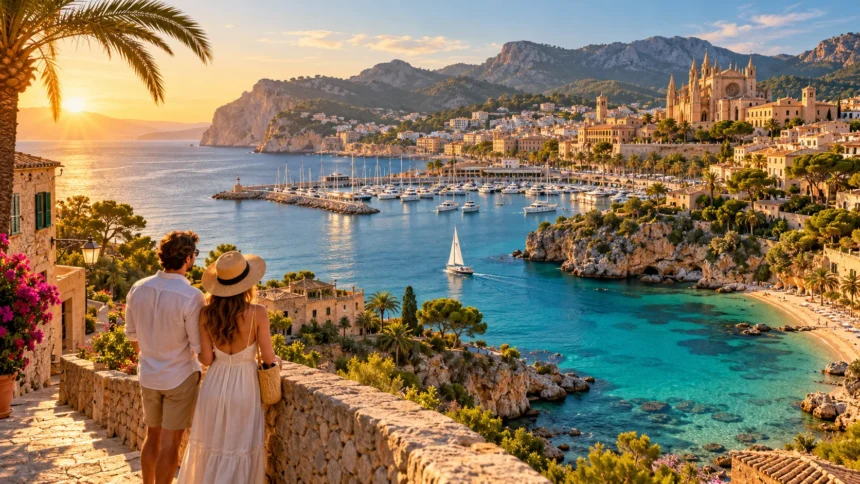
Mallorca is one of Spain’s most beautiful Mediterranean destinations, offering breathtaking beaches, charming coastal villages, historic landmarks, and spectacular mountain scenery. Located in the Balearic Islands, this island paradise attracts travelers with its turquoise waters, traditional architecture, and relaxed atmosphere. Whether you enjoy exploring ancient streets, discovering hidden coves, or admiring panoramic landscapes, the best things to do in Mallorca promise unforgettable travel experiences.
Beyond its famous beaches, Mallorca offers an impressive combination of cultural attractions, outdoor adventures, picturesque towns, and delicious local cuisine. Visitors can explore Palma’s magnificent cathedral, travel through the Serra de Tramuntana mountains, and wander through charming villages such as Valldemossa and Sóller. The island’s diverse landscapes make it suitable for families, nature enthusiasts, photographers, and travelers seeking peaceful Mediterranean experiences.
Planning your Mallorca vacation becomes easier when you understand which attractions deserve priority and how to explore the island efficiently. Some destinations are conveniently located near Palma, while others require scenic drives or organized transportation. This comprehensive Mallorca travel guide explores must-see attractions, beautiful beaches, cultural experiences, and practical travel tips to help you discover the island’s remarkable beauty.
1. Explore Palma de Mallorca and Its Historic Old Town
Palma de Mallorca is the island’s vibrant capital and an excellent starting point for discovering its rich cultural heritage. The city combines impressive historic architecture with beautiful waterfront scenery, lively shopping streets, and welcoming public squares. Its old town features narrow lanes, traditional buildings, and hidden courtyards. Exploring these charming streets allows visitors to appreciate the city’s distinctive Mediterranean character.
The Cathedral of Santa Maria of Palma, commonly known as La Seu, is one of Mallorca’s most recognizable landmarks. This magnificent Gothic cathedral overlooks the waterfront and features impressive stone architecture, stained-glass windows, and remarkable interior details. Nearby, the Royal Palace of La Almudaina provides another fascinating historical attraction. Both landmarks reveal important aspects of Mallorca’s architectural and royal heritage.
Beyond its famous monuments, Palma offers delightful cafés, boutique shops, art galleries, and traditional markets. Visitors can wander through historic neighborhoods before enjoying a peaceful walk along the seafront promenade. The city’s compact central districts make sightseeing convenient on foot. Spending at least one full day in Palma provides a rewarding introduction to Mallorca’s culture and atmosphere.
2. Discover the Beautiful Beaches and Hidden Coves of Mallorca
Mallorca is famous for its stunning coastline, featuring sandy beaches, rocky inlets, and secluded Mediterranean coves. The island offers everything from lively resort beaches to quieter natural swimming locations. Popular destinations include Playa de Muro, Cala Mondragó, and Cala Agulla. Each beach provides a different atmosphere, making coastal exploration one of the most enjoyable Mallorca activities.
Playa de Muro is especially attractive to families because of its long sandy shoreline and accessible tourism facilities. Cala Mondragó offers beautiful scenery within a protected natural environment, while Cala Agulla is surrounded by picturesque coastal landscapes. Water conditions vary throughout the year, so travelers should follow local swimming guidance. Arriving earlier can also help avoid crowded parking areas.
Smaller coves, known locally as calas, are another distinctive feature of Mallorca’s coastline. Some require walking along uneven paths, while others can be reached conveniently by road. Carry suitable footwear, drinking water, and sun protection when exploring less-developed beaches. Respecting local environmental restrictions helps preserve the island’s delicate coastal ecosystems for future visitors.
3. Visit the Charming Mountain Village of Valldemossa
Valldemossa is one of Mallorca’s most picturesque villages, located in the spectacular Serra de Tramuntana mountains. Its narrow cobblestone streets, traditional stone houses, and colorful flower displays create a peaceful atmosphere. Surrounded by green hills and beautiful countryside, the village feels very different from the island’s busy beach resorts. It is particularly appealing to travelers interested in photography and local culture.
One of Valldemossa’s best-known attractions is the Royal Carthusian Monastery, associated with composer Frédéric Chopin and writer George Sand. Visitors can explore historical spaces connected with the village’s artistic and cultural heritage. The surrounding streets feature charming architecture and small traditional shops. Walking through the village provides wonderful opportunities to admire authentic Mallorcan surroundings.
Valldemossa is also known for coca de patata, a soft local pastry often enjoyed with a warm drink. Its cafés and bakeries provide a pleasant place to relax after sightseeing. The village is easily combined with nearby mountain destinations during a day trip. Visiting outside the busiest afternoon hours can make exploring its beautiful streets more enjoyable.
4. Experience the Scenic Sóller Train and Port de Sóller
Sóller is a beautiful town surrounded by mountain scenery, citrus groves, and traditional Mallorcan architecture. It is particularly famous for the historic railway connecting Palma with Sóller through picturesque landscapes. The journey passes countryside views and sections of the Serra de Tramuntana. Riding the traditional train is one of the most distinctive sightseeing experiences available in Mallorca.
The town of Sóller features a charming central square surrounded by cafés, historic buildings, and the impressive Church of Sant Bartomeu. Visitors can explore local streets, admire traditional architecture, and enjoy the relaxed mountain-town atmosphere. The historic tram provides a memorable connection between Sóller and nearby Port de Sóller. Service schedules and ticket arrangements should be checked before traveling.
Port de Sóller is a picturesque coastal destination featuring a sheltered bay, waterfront restaurants, and attractive mountain views. Travelers can enjoy seaside walks, photography, and scenic boat excursions when conditions permit. The combination of historic transportation, mountain scenery, and coastal relaxation makes Sóller particularly rewarding. Allowing a full day provides enough time to appreciate both locations.
5. Explore the Spectacular Serra de Tramuntana Mountains
The Serra de Tramuntana is one of Mallorca’s most remarkable natural attractions, stretching across the island’s northwestern region. This UNESCO World Heritage cultural landscape features dramatic mountains, historic villages, agricultural terraces, and beautiful viewpoints. Its scenery offers a striking contrast to Mallorca’s sandy beaches. Travelers interested in hiking, photography, and countryside exploration will find numerous memorable experiences.
The mountain region includes charming destinations such as Deià, Banyalbufar, Fornalutx, and Pollença. Each village offers distinctive architecture and impressive surrounding landscapes. Scenic roads connect many areas, providing opportunities to admire valleys, olive groves, and coastal cliffs. However, some mountain roads are narrow and winding, making careful driving and realistic journey planning important.
Hiking enthusiasts can explore selected trails through the mountain landscape, including sections of established long-distance walking routes. Trail difficulty varies considerably, so choose routes appropriate to your fitness and experience. Carry water, wear suitable footwear, and check weather conditions before departure. Respecting marked paths and private property helps protect this exceptional natural and cultural environment.
6. Discover the Famous Caves of Drach
The Caves of Drach, located near Porto Cristo on Mallorca’s eastern coast, are among the island’s most impressive natural attractions. These extensive limestone caves feature spectacular stalactites, stalagmites, and underground chambers formed over long geological periods. Their unusual rock formations create an extraordinary subterranean environment. Visiting the caves provides a fascinating alternative to the island’s beaches and outdoor sightseeing.
One of the most remarkable features is Lake Martel, a large underground lake situated within the cave system. Organized visits include opportunities to admire illuminated formations and experience the cave’s distinctive atmosphere. The attraction is also known for its underground musical presentation. Tour arrangements and available experiences may vary, making advance confirmation useful.
Comfortable walking shoes are recommended because cave visits involve paths, steps, and naturally damp surroundings. Visitors should follow staff instructions and respect restrictions designed to protect fragile geological formations. Photography rules may also apply in certain areas. The Caves of Drach offer a memorable experience for families, nature enthusiasts, and travelers interested in Mallorca’s geological wonders.
7. Visit Cap de Formentor for Breathtaking Coastal Views
Cap de Formentor is one of Mallorca’s most spectacular coastal destinations, located at the northern end of the island. The region is famous for dramatic cliffs, turquoise waters, and panoramic Mediterranean scenery. Its impressive landscape makes it especially attractive to photographers and nature lovers. The combination of rugged mountains and open sea creates unforgettable viewpoints.
Mirador des Colomer is a particularly popular viewpoint offering remarkable perspectives of the surrounding cliffs and coastline. The Formentor Lighthouse provides another distinctive landmark at the peninsula’s far end. Scenic roads wind through mountainous terrain, revealing beautiful landscapes along the way. Travelers should allow time for stops rather than rushing between the peninsula’s attractions.
Seasonal traffic restrictions can affect private vehicle access to parts of the Formentor peninsula, particularly during busy tourism periods. Public transport or other authorized arrangements may be necessary, so check current rules before departure. Roads can be narrow, and certain viewpoints involve exposed surroundings. Following local safety instructions allows visitors to enjoy this dramatic landscape responsibly.
8. Explore Alcúdia Old Town and Playa de Muro
Alcúdia is one of Mallorca’s most interesting historical towns, known for its preserved medieval walls, charming streets, and traditional architecture. Located in the island’s north, it offers a combination of cultural sightseeing and convenient access to beautiful beaches. The old town features stone buildings, historic gateways, and attractive squares. Its relaxed atmosphere makes it enjoyable for leisurely exploration.
Visitors can walk along permitted sections of Alcúdia’s historic walls and discover the surrounding streets. The area also contains remains associated with the ancient Roman city of Pollentia. Local markets provide opportunities to browse regional products and traditional crafts. Exploring these attractions introduces travelers to Mallorca’s history beyond its well-known coastal resorts.
Nearby Playa de Muro is famous for its broad sandy beach and beautiful Mediterranean views. The surrounding area offers accommodation, restaurants, and facilities suitable for relaxing seaside holidays. Travelers can combine a morning exploring Alcúdia with an afternoon beside the coast. This combination makes the region particularly appealing to families and visitors seeking varied sightseeing experiences.
9. Enjoy Boat Trips and Mallorca’s Coastal Scenery
Exploring Mallorca by boat offers a different perspective on its beautiful coastline and hidden coves. Organized excursions operate from several coastal destinations, allowing visitors to admire cliffs, sandy beaches, and turquoise waters. Some tours focus on scenic sightseeing, while others include designated swimming stops when conditions permit. Boat trips can be especially rewarding during calm Mediterranean weather.
Port de Sóller, Palma, and selected resort towns provide departure points for various coastal excursions. Travelers can choose shorter sightseeing journeys or longer organized experiences depending on their preferences. The views often reveal inaccessible sections of coastline and impressive rock formations. Selecting established operators with suitable safety arrangements helps make the experience more comfortable.
Sea conditions can change quickly, even during warmer months, so scheduled boat trips may be delayed or cancelled because of weather. Travelers should confirm departure times and understand cancellation policies before booking. Follow crew instructions and use required safety equipment. Responsible coastal tourism allows visitors to enjoy Mallorca’s natural beauty without disturbing protected marine environments.
10. Discover Traditional Mallorcan Food and Local Markets
Mallorca’s food culture reflects its Mediterranean location, agricultural traditions, and distinctive regional history. Exploring local cuisine is one of the most enjoyable ways to experience the island beyond conventional sightseeing. Popular specialties include tumbet, a vegetable dish, and ensaïmada, a traditional spiral-shaped pastry. Local restaurants also serve seafood, seasonal produce, and various regional recipes.
Traditional markets provide opportunities to discover fresh fruit, vegetables, cheeses, baked goods, and regional products. Palma’s Mercat de l’Olivar is a well-known food market, while smaller towns host regular market days. Visiting these locations offers insight into everyday island life. Market schedules vary, so checking local arrangements can help you plan your visit.
Enjoying food in traditional towns and family-run restaurants can become a memorable part of a Mallorca vacation. Travelers with dietary requirements should check ingredients carefully because some regional specialties contain meat or animal-derived products. Choosing seasonal dishes can introduce authentic local flavors. Combining sightseeing with cultural food experiences creates a richer understanding of the island.
11. Best Time to Visit Mallorca and Essential Travel Tips
The best time to visit Mallorca depends on whether you prefer beach activities, cultural sightseeing, or mountain exploration. Late spring and early autumn are often excellent periods for enjoying pleasant temperatures and comparatively manageable crowds. July and August bring warmer weather and greater demand for popular coastal destinations. Winter generally offers a quieter atmosphere for cultural travel.
May, June, September, and early October are attractive months for combining outdoor sightseeing with coastal relaxation. Sea temperatures and weather conditions differ throughout the season, so swimming comfort varies. Spring is particularly appealing for walking and exploring mountain villages, while autumn provides opportunities for scenic drives. Popular attractions may operate on reduced schedules outside the main tourism season.
Mallorca is accessible through Palma de Mallorca Airport, with buses, taxis, and rental vehicles serving different parts of the island. Public transportation connects many major destinations, although rural attractions may require additional planning. Travelers should verify applicable Spanish entry requirements, accommodation arrangements, and transportation schedules before departure. Comfortable walking shoes and sun protection are useful throughout much of the year.
12. Plan a Memorable Mallorca Itinerary Without Rushing
A successful Mallorca itinerary balances famous attractions with enough time to enjoy the island’s relaxed atmosphere. Rather than visiting every destination in a single day, group nearby sights into manageable excursions. Palma’s historic landmarks can be explored together, while Valldemossa, Deià, and Sóller are suitable for a mountain-focused outing. This approach reduces unnecessary travel and improves sightseeing comfort.
Travelers staying for three or four days can prioritize Palma, selected beaches, and one memorable countryside excursion. A five-to-seven-day vacation provides more flexibility for exploring Alcúdia, the Caves of Drach, and Cap de Formentor. Longer stays allow additional time for quieter villages and coastal activities. The ideal schedule depends on accommodation location and transportation arrangements.
Consider booking accommodation near the attractions you most want to experience. Palma offers convenient access to cultural landmarks, while northern and eastern coastal destinations provide attractive beach-focused bases. Avoid scheduling tightly connected activities that depend on uncertain weather or transportation. Leaving room for spontaneous discoveries can make your Mallorca vacation more enjoyable and memorable.
Conclusion
Mallorca is a remarkable Mediterranean destination offering beautiful beaches, historic architecture, charming villages, and dramatic mountain landscapes. From exploring Palma’s magnificent cathedral to discovering the Serra de Tramuntana and admiring the stunning views at Cap de Formentor, the island provides unforgettable attractions. The best things to do in Mallorca combine natural beauty with cultural experiences, making it appealing to many different travelers.
A well-planned Mallorca vacation should include time for coastal relaxation, historical sightseeing, and exploring traditional villages. Destinations such as Valldemossa, Sóller, Alcúdia, and the Caves of Drach reveal different sides of the island. Choosing suitable travel dates and organizing transportation carefully can improve your experience. Respecting local environments and communities also helps preserve Mallorca’s distinctive charm.
Ultimately, Mallorca offers much more than a conventional beach holiday. Its picturesque towns, scenic mountain roads, delicious regional cuisine, and Mediterranean atmosphere create countless opportunities for discovery. Whether you are visiting for a weekend or planning a longer island escape, thoughtful preparation makes every experience more rewarding. With the right itinerary, Mallorca can become one of your most memorable Spanish travel destinations.
Frequently Asked Questions (FAQs)
1. What are the best things to do in Mallorca?
Popular activities include exploring Palma Cathedral, visiting Valldemossa and Sóller, relaxing on beautiful beaches, discovering the Caves of Drach, and enjoying panoramic views from Cap de Formentor.
2. What is the best time to visit Mallorca?
May, June, September, and early October are excellent months for many travelers because they offer pleasant sightseeing conditions. July and August are popular for beach holidays but usually attract larger crowds.
3. How many days are enough to explore Mallorca?
Five to seven days provide enough time to explore Palma, several beaches, mountain villages, and selected natural attractions. A shorter trip can focus on two or three nearby areas.
4. Is Mallorca worth visiting without renting a car?
Yes, visitors can explore Palma and many established tourist destinations using public transportation, taxis, or organized excursions. However, reaching remote beaches and rural viewpoints may require additional planning.
5. What is Mallorca most famous for?
Mallorca is famous for its turquoise Mediterranean waters, beautiful sandy beaches, Serra de Tramuntana mountains, historic Palma Cathedral, charming villages, and traditional Mallorcan food.