

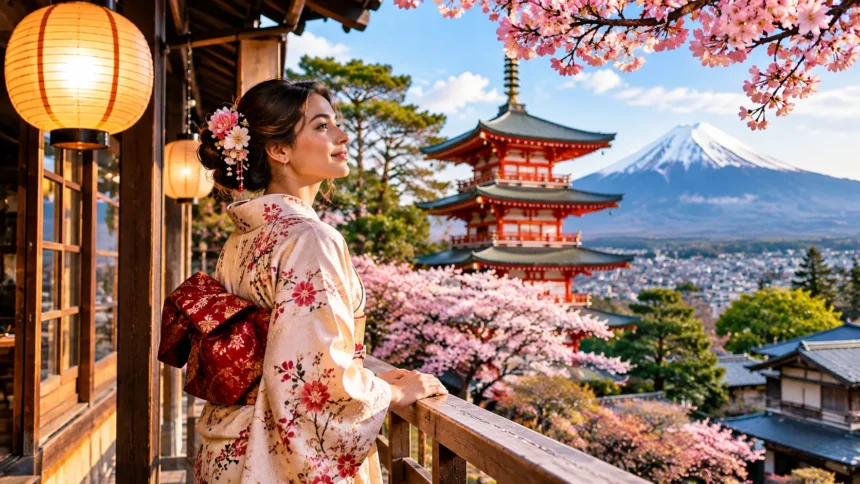
Japan is one of the world’s most fascinating destinations for travelers who appreciate history, traditions, beautiful architecture, and exceptional hospitality. From ancient temples and peaceful gardens to historic villages and remarkable craftsmanship, the country offers cultural experiences that go far beyond ordinary sightseeing. Exploring these traditions through carefully arranged tours can make a Japanese holiday especially memorable.
The best luxury cultural tours in Japan combine authentic local experiences with personal attention, knowledgeable guides, and comfortable accommodation. Visitors can participate in traditional tea ceremonies, explore Kyoto’s heritage districts, discover Tokyo’s historic neighborhoods, and experience the peaceful atmosphere of Japanese countryside retreats.
Why Choose Luxury Cultural Tours in Japan?
Luxury cultural tours provide an opportunity to understand Japanese traditions through personalized experiences rather than crowded sightseeing schedules. Private guides can explain historical landmarks, cultural customs, and the significance of traditional practices. Many carefully arranged experiences also allow visitors to interact with skilled artisans and local specialists. This approach creates a deeper connection with the country’s heritage.
Another advantage is the comfort and flexibility that premium travel arrangements provide. Travelers may enjoy private transportation, thoughtfully selected accommodation, and itineraries tailored to their interests. Instead of visiting numerous attractions in a single day, they can dedicate time to meaningful cultural activities. This relaxed approach often creates a more rewarding travel experience.
Japanese hospitality, commonly associated with the concept of omotenashi, adds another dimension to luxury travel. This philosophy emphasizes thoughtful service and attention to guests’ needs. Traditional inns, cultural establishments, and experienced guides often demonstrate these values through carefully organized experiences. The result is a journey that combines comfort with respect for Japanese customs and traditions.
Explore Kyoto’s Temples and Historic Cultural Districts
Kyoto is one of the best destinations for luxury cultural tours in Japan. The former imperial capital is known for its magnificent temples, historic shrines, beautiful gardens, and preserved neighborhoods. A private guided tour can introduce visitors to famous landmarks such as Kiyomizu-dera and Kinkaku-ji. These attractions provide valuable insights into Japan’s architectural and cultural history.
Spend time exploring Higashiyama, where narrow streets and traditional wooden buildings create an atmospheric setting. The district includes historic shops, small galleries, and beautiful viewpoints overlooking the city. A knowledgeable guide can explain the cultural importance of the surrounding temples and historic structures. Early morning visits may provide a quieter sightseeing experience.
Kyoto also offers opportunities to discover lesser-known neighborhoods and peaceful gardens. Consider arranging a carefully planned walking tour focusing on traditional architecture, local crafts, or historic religious sites. Some cultural experiences take place in privately operated establishments rather than public attractions. Booking through reputable local specialists helps ensure that access arrangements are appropriate and respectful.
Experience a Private Japanese Tea Ceremony
Participating in a traditional Japanese tea ceremony is one of the most memorable cultural experiences available in Japan. Known as chanoyu or sadō, the practice emphasizes preparation, hospitality, and mindful attention to detail. A trained tea practitioner prepares and serves matcha using established techniques. Every movement reflects traditions developed over centuries.
Private tea ceremony experiences are available in Kyoto, Tokyo, and other major destinations. Some take place in traditional wooden buildings surrounded by peaceful gardens. Visitors may learn about tea utensils, the meaning of particular movements, and appropriate guest etiquette. The experience often includes Japanese sweets served alongside carefully prepared matcha.
A premium tea ceremony is particularly rewarding when the host provides clear cultural explanations. Rather than simply watching the preparation, visitors can understand the values behind the practice. Sessions may include demonstrations, conversation, and opportunities to try selected techniques. Respecting the host’s instructions helps create a meaningful experience for everyone involved.
Discover Tokyo’s Traditional Culture and Modern Heritage
Tokyo is famous for modern architecture and advanced technology, but it also preserves many important cultural traditions. A luxury heritage tour can introduce visitors to historic neighborhoods, temples, gardens, and traditional workshops. Asakusa is particularly appealing because of its connection with older Tokyo culture. The area’s famous Sensō-ji Temple remains an important attraction.
Explore streets surrounding the temple to discover traditional shops and local craftsmanship. A private guide can explain the history of the neighborhood and the significance of its landmarks. Travelers interested in Japanese design may also visit specialist galleries or traditional craft establishments. These experiences reveal how historic practices continue within a modern city.
Tokyo’s elegant gardens provide another opportunity for cultural discovery. Visit carefully maintained landscapes featuring ponds, bridges, seasonal plants, and traditional design elements. Depending on availability, consider arranging a guided garden experience or a specialist architectural tour. Combining historic neighborhoods with contemporary cultural attractions creates a balanced introduction to Japan’s capital.
Explore Kanazawa’s Samurai Heritage and Traditional Crafts
Kanazawa is an excellent destination for travelers interested in Japanese craftsmanship and historical traditions. The city is known for its preserved samurai districts, attractive gardens, and established artisan communities. Begin with a guided visit to Kenrokuen Garden, one of Japan’s celebrated landscape gardens. Its seasonal scenery provides a beautiful setting for cultural exploration.
Continue toward Nagamachi, a historic neighborhood associated with former samurai residences. Traditional walls, narrow streets, and preserved architecture reveal aspects of life during Japan’s feudal period. A knowledgeable guide can explain how samurai families lived and how their communities developed. The surrounding area offers opportunities to explore traditional houses and cultural displays.
Kanazawa is also recognized for gold leaf decoration, lacquerware, and other traditional crafts. Visitors can arrange workshops with skilled artisans to learn about these practices. Some experiences include demonstrations followed by supervised opportunities to create decorative items. Such activities support a deeper appreciation of the time and skill involved in Japanese craftsmanship.
Enjoy Traditional Ryokan Stays and Japanese Hospitality
Staying in a traditional ryokan is an important part of many luxury cultural journeys through Japan. These Japanese inns emphasize hospitality, peaceful surroundings, and distinctive accommodation styles. Rooms may feature tatami flooring, traditional furnishings, and views of carefully maintained gardens. Some premium properties combine historic architectural character with modern comfort and private facilities.
Many ryokans serve beautifully presented Japanese meals featuring seasonal ingredients. Dinner may follow the kaiseki tradition, with several carefully prepared courses highlighting regional flavors. Breakfast can also introduce visitors to unfamiliar but meaningful elements of Japanese cuisine. These meals provide a cultural experience beyond ordinary hotel dining.
Some ryokans feature natural hot spring baths known as onsen. Visitors should learn the bathing rules and etiquette before entering shared facilities. Properties with private baths may provide additional comfort for travelers seeking greater privacy. Choosing a well-located ryokan allows you to experience traditional Japanese hospitality while exploring surrounding cultural attractions.
Visit Takayama and Japan’s Historic Mountain Villages
Takayama is a charming mountain town known for its preserved streets, traditional merchant houses, and regional craftsmanship. Located in the Hida region, it provides a quieter cultural experience than Japan’s largest cities. A private walking tour can introduce visitors to historic buildings and local traditions. The town’s traditional architecture creates a memorable atmosphere.
Explore the Sanmachi historic district, where wooden buildings and narrow streets preserve elements of earlier Japanese commercial life. Local shops feature handcrafted products and regional specialties. Visitors may also enjoy learning about woodworking traditions and the area’s distinctive building techniques. A knowledgeable guide can provide context about Takayama’s development and cultural importance.
A nearby excursion to Shirakawa-go offers another remarkable heritage experience. The village is famous for traditional thatched-roof houses known as gasshō-zukuri. These distinctive structures were designed to suit the region’s demanding climate and heavy snowfall. Exploring the village respectfully provides insight into traditional rural architecture and community life.
Discover Japanese Art, Calligraphy, and Craft Workshops
Japan’s artistic traditions provide excellent opportunities for meaningful luxury cultural experiences. Private workshops may focus on calligraphy, ceramics, traditional painting, or flower arranging. These activities introduce visitors to techniques that often require years of dedicated practice. Learning directly from experienced instructors can make the experience especially valuable.
Japanese calligraphy, known as shodō, combines brushwork, written characters, and artistic expression. A guided session may introduce the correct use of brushes, ink, and paper. Participants can practice simple characters while learning about balance and movement. The process encourages patience and attention to detail rather than focusing only on the finished artwork.
Ceramic workshops offer another way to discover Japan’s creative heritage. Regions such as Arita, Mashiko, and parts of Kyoto have established pottery traditions. Visitors may observe professional demonstrations or participate in beginner-friendly sessions. Some completed pieces require firing and later delivery, so confirm arrangements before booking a workshop.
Experience Traditional Performing Arts in Kyoto
Traditional Japanese performing arts offer a fascinating introduction to the country’s cultural heritage. Kyoto is particularly associated with geiko and maiko, professional performers trained in music, dance, and established artistic traditions. Carefully arranged cultural events may provide opportunities to appreciate these performances. Such experiences should be organized through reputable establishments that respect performers and local customs.
A formal cultural evening may include traditional music, dance, conversation, and Japanese hospitality. The atmosphere and program depend on the venue and the type of event arranged. Knowledgeable hosts can explain the history of the performances and the training involved. Visitors should follow instructions regarding photography, conversation, and appropriate behavior.
Kyoto also offers other cultural performances, including traditional theater and seasonal dance events. These experiences allow visitors to appreciate artistic traditions without requiring private entertainment arrangements. When exploring historic districts such as Gion, respect residents’ privacy and stay out of restricted lanes. Never follow or photograph performers without permission.
Explore Nara’s Ancient Temples and Cultural Landmarks
Nara is one of Japan’s most important historic destinations and makes an excellent cultural excursion from Kyoto or Osaka. The city preserves remarkable temples, shrines, and monuments connected to early Japanese history. A private guided tour can provide valuable explanations of the ancient capital’s development. Its peaceful setting makes sightseeing particularly enjoyable.
Begin with Tōdai-ji Temple, famous for its impressive Great Buddha Hall and monumental bronze Buddha statue. Continue exploring nearby historic sites and traditional landscaped areas. Nara Park is also known for its free-roaming deer, which are protected and culturally significant. Follow local guidance when observing wildlife and avoid disturbing or crowding the animals.
Other important attractions include Kasuga Taisha Shrine and the historic surroundings of Kōfuku-ji. Each site contributes a different perspective on Japanese religious and architectural traditions. Allow sufficient time to appreciate the atmosphere rather than rushing between landmarks. Returning to Kyoto after a carefully planned excursion provides a convenient option for travelers staying in the region.
Experience Cultural Retreats in Hakone and Koyasan
Hakone is an appealing destination for travelers seeking traditional hospitality and natural scenery near Tokyo. The region is known for hot spring accommodation, mountain landscapes, and cultural attractions. A carefully selected ryokan can provide a peaceful environment for relaxation. Some properties feature private baths and traditional meals prepared with seasonal ingredients.
Luxury cultural travel in Hakone may also include art museums, landscape gardens, and visits to nearby historic sites. The Hakone Open-Air Museum offers an opportunity to explore sculpture within a natural setting. Guided experiences can introduce visitors to the region’s artistic and cultural attractions. Clear weather may also provide beautiful views of Mount Fuji.
Koyasan offers a different type of cultural retreat centered on Buddhist heritage. Visitors can arrange stays at participating temples, where accommodation and activities vary by establishment. Some programs include meditation, traditional meals, and opportunities to learn about monastic life. These experiences emphasize respectful participation rather than conventional resort luxury.
Best Time to Book Luxury Cultural Tours in Japan
Spring is one of the most popular seasons for luxury travel in Japan. Cherry blossoms create beautiful scenery around temples, gardens, and historic streets. March and April attract many visitors, although flowering dates vary by region and year. Premium hotels and private guides can become difficult to secure during peak blossom periods.
Autumn is another excellent time to explore Japan’s cultural destinations. October and November often bring attractive foliage to temple grounds, gardens, and mountain villages. The combination of seasonal colors and comfortable sightseeing temperatures makes autumn especially appealing. However, popular locations such as Kyoto may experience heavy visitor demand during the main foliage season.
Winter provides quieter cultural experiences in some regions and creates beautiful scenery around traditional inns. Summer offers festivals and seasonal performances, although temperatures can become hot and humid. Regional conditions vary considerably across Japan. Choose your travel dates according to preferred experiences, weather expectations, and the availability of cultural programs.
How to Plan a Personalized Luxury Cultural Tour in Japan
A successful luxury cultural journey begins with identifying your main interests. Some travelers prefer temples, gardens, and traditional architecture, while others focus on food, craftsmanship, or performing arts. Choose destinations that support these interests rather than attempting to explore the entire country. A carefully planned route makes the trip more comfortable and meaningful.
Consider combining Tokyo, Kyoto, and Kanazawa for a balanced cultural itinerary. Travelers with additional time may include Takayama, Nara, Hakone, or Koyasan. Premium train travel and private transfers can help connect destinations efficiently. Select experienced guides who can explain local traditions accurately and arrange suitable activities.
Book specialist workshops, premium ryokans, and cultural performances early whenever possible. Availability may be limited because some experiences accommodate only small groups. Confirm accessibility, language support, photography policies, and cancellation conditions before finalizing reservations. Respectful participation and realistic travel planning help create a rewarding cultural journey.
Conclusion
The best luxury cultural tours in Japan offer far more than visits to famous tourist attractions. They introduce travelers to centuries of history, traditional craftsmanship, meaningful ceremonies, and distinctive forms of hospitality. From Kyoto’s historic districts to Kanazawa’s artisan workshops and Takayama’s traditional streets, every destination provides unique opportunities for discovery.
Private guides, carefully selected accommodation, and authentic cultural activities can make the experience more comfortable and informative. Traditional tea ceremonies, ryokan stays, temple visits, and artistic workshops allow visitors to appreciate Japanese customs in meaningful ways. Respecting local traditions is essential to enjoying these experiences responsibly.
Whether you are planning a romantic getaway, family holiday, or specialized cultural journey, Japan provides remarkable opportunities throughout the year. Choose destinations that match your interests and allow enough time for thoughtful exploration. With careful preparation, a luxury cultural tour of Japan can create unforgettable memories and a deeper appreciation of the country’s heritage.
Frequently Asked Questions
What Are the Best Luxury Cultural Tours in Japan?
Popular options include Kyoto temple tours, private tea ceremonies, Kanazawa artisan workshops, traditional ryokan stays, and guided visits to historic districts. The best experience depends on your cultural interests.
Is Kyoto the Best City for Japanese Cultural Experiences?
Kyoto is an excellent choice because of its historic temples, traditional architecture, tea ceremonies, and performing arts. However, Kanazawa, Nara, Takayama, and Tokyo also provide outstanding cultural experiences.
How Much Do Luxury Cultural Tours in Japan Cost?
Prices vary according to tour duration, group size, accommodation, private transportation, and specialist activities. Customized multi-day journeys typically cost more than individual guided tours or workshops.
What Is the Best Month for a Luxury Cultural Trip to Japan?
April and November are popular choices because of spring blossoms and autumn foliage. However, the ideal travel period depends on your destinations, cultural interests, and preferred weather.
Can Families Enjoy Luxury Cultural Tours in Japan?
Yes, many cultural experiences are suitable for families, including traditional craft workshops, garden visits, guided heritage tours, and selected tea ceremonies. Check age requirements and activity suitability before booking.