

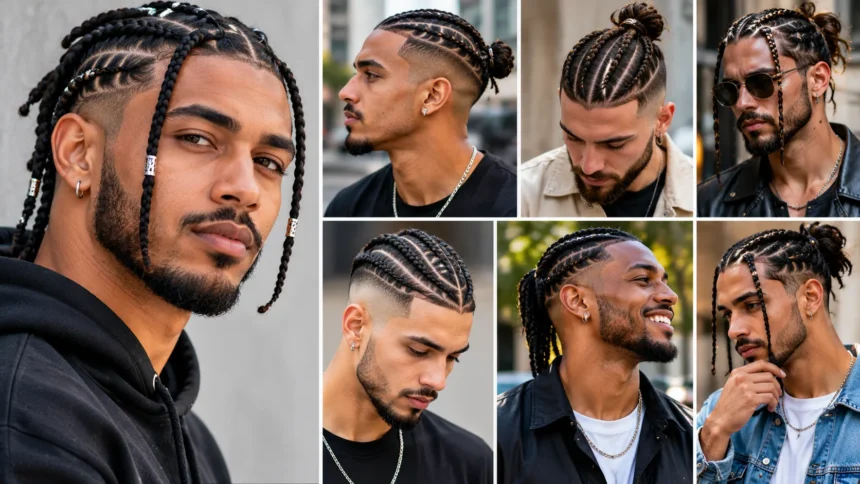
Looking for a hairstyle that feels fresh, stylish, and easy to manage? Braid styles for men offer plenty of options, from simple cornrows to detailed patterns that stand out. Whether you prefer a clean professional appearance or something bold, there is a braided hairstyle that can match your personality.
Men’s braids work with different hair lengths, textures, and personal styles. They can also help keep longer hair organized while reducing daily styling time. This guide explores ten cool braided hairstyles, explains how to choose the right look, and shares practical tips for keeping your braids healthy and neat.
How to Choose the Right Braid Styles for Men
Choosing the right braided hairstyle starts with understanding your hair type and length. Some styles work especially well with tightly curled or coily hair, while others suit straight or wavy textures. Your hair’s density, scalp sensitivity, and preferred appearance should also influence your decision. A skilled braider can recommend options that work naturally with your hair.
Think about your daily routine before selecting a particular style. If you exercise regularly or prefer minimal maintenance, simple cornrows may be a practical choice. Men who enjoy experimenting with their appearance might prefer detailed braid patterns or longer box braids. The goal is to find a hairstyle that looks appealing without creating unnecessary tension.
Your haircut can also change how your braids look. A fade, taper, or undercut can create contrast and make the braided sections more noticeable. However, you do not need shaved sides to achieve an attractive result. Full-head braids are equally versatile and can create a balanced, polished appearance for different occasions.
1. Classic Cornrows for a Clean and Timeless Look
Classic cornrows remain one of the most recognizable braid styles for men. These braids sit close to the scalp and usually follow straight lines from the front toward the back. The result is a structured hairstyle that looks neat without requiring complicated designs. Cornrows are particularly popular among men with naturally curly or coily hair.
One major advantage of cornrows is their practical design. They keep hair organized and reduce the need for daily brushing or styling. Depending on your hair texture, installation method, and routine, cornrows can remain neat for several weeks. However, they should never feel painfully tight or cause persistent scalp discomfort.
You can personalize classic cornrows by changing the number and thickness of the braids. Larger sections create a simple, bold appearance, while smaller braids offer more detail. A clean hairline or subtle taper can complement the finished hairstyle. For beginners exploring men’s braided hairstyles, traditional cornrows provide an excellent starting point.
2. Box Braids for a Versatile and Stylish Appearance
Box braids are an excellent option for men who want flexibility in their hairstyles. The hair is divided into square or rectangular sections before each braid is created. Unlike scalp-hugging cornrows, box braids hang freely and allow more movement. They work especially well with medium-length or long hair and can be installed with or without extensions.
One reason box braids remain popular is their styling versatility. You can wear them loose, gather them into a ponytail, or create a casual half-up hairstyle. Different braid thicknesses also change the overall appearance. Medium box braids provide a balanced look, while larger sections create a more noticeable and relaxed style.
Proper installation matters when choosing this hairstyle. Braids that are too heavy or tight can place unnecessary stress on the scalp and hairline. Lightweight sections and comfortable tension help reduce this risk. With gentle cleansing, moisture care, and appropriate removal, box braids can be a convenient option for men who enjoy longer hairstyles.
3. Two French Braids for a Simple Athletic Style
Two French braids offer a practical hairstyle with a clean, symmetrical appearance. The hair is divided into two sections, and each braid gradually incorporates additional hair as it moves backward. This technique keeps the strands close to the head without creating numerous smaller braids. The finished look is simple, recognizable, and suitable for everyday activities.
This hairstyle is especially useful for men with medium-length or longer hair. It keeps loose strands away from the face during exercise, outdoor activities, or busy routines. French braids can work with several hair textures, although preparation and holding products may vary. The style should feel secure without pulling tightly against the scalp.
You can customize two French braids by adjusting their position and thickness. Some men prefer a centered part with equal sections, while others choose slightly angled braids. A subtle fade can add contrast around the sides. For anyone seeking easy braid hairstyles for men, this option combines practicality with a relaxed appearance.
4. Dutch Braids for a Bold Raised Effect
Dutch braids resemble French braids but use a different weaving technique. Instead of crossing hair sections over one another, the strands pass underneath during braiding. This creates a raised appearance that makes each braid more visible. The result is a textured hairstyle with noticeable definition, even when the overall design remains simple.
Men can wear Dutch braids in several different arrangements. Two thick braids running backward create a sporty appearance, while multiple smaller braids introduce additional detail. This technique can work with straight, wavy, curly, or coily hair. Hair length, grip, and preparation affect how securely the braids hold their shape.
Dutch braids are a good choice for anyone who wants a noticeable hairstyle without complicated accessories. They also pair well with tapered sides or neatly maintained facial hair. Using a small amount of suitable styling product may help control flyaways. Avoid excessive tension, especially around the temples and hairline, to maintain comfort.
5. Stitch Braids for Sharp and Defined Patterns
Stitch braids are known for their precise sections and clean, detailed appearance. The braider creates visible parting lines that form a stitch-like pattern along each cornrow. These carefully separated sections give the hairstyle a structured, modern finish. Stitch braids are particularly attractive when the goal is to highlight the design rather than the length.
The style requires careful sectioning and consistent technique. A professional braider can create straight stitch braids, curved patterns, or more complex arrangements. Some designs also combine different braid sizes to increase visual interest. Because the sections are highly visible, clean preparation and accurate parting play an important role in the finished result.
Stitch braids work well for men who appreciate polished hairstyles with distinct details. They can complement a low fade, taper, or full hairstyle without shaved sides. However, detailed braiding should still prioritize scalp comfort over appearance. If the braids create pain, bumps, or excessive pulling, the tension should be reduced immediately.
6. Feed-In Braids for a Smooth and Natural Finish
Feed-in braids use additional hair that is gradually introduced during the braiding process. This technique can create a smoother transition from smaller sections near the roots to thicker lengths. When installed carefully, the finished braids have a neat, consistent appearance. They are popular among men who want added length or fullness without an abrupt change in thickness.
One benefit of feed-in braids is their flexibility. A braider can create straight-back cornrows, curved designs, or other patterns using this technique. Different section sizes allow the hairstyle to look subtle or more dramatic. The amount of added hair should remain appropriate for your natural hair’s strength and density.
Feed-in braids require thoughtful installation and aftercare. Excessively heavy extensions can increase tension, particularly around delicate hairline areas. Choosing lightweight materials and an experienced stylist helps minimize unnecessary pulling. When properly maintained, this hairstyle offers a polished appearance while allowing men to experiment with different braid lengths and patterns.
7. Zigzag Cornrows for a Creative Hairstyle
Zigzag cornrows provide a creative alternative to traditional straight-back braids. Instead of following simple parallel lines, the braids move through angled or curved sections across the scalp. These changing directions create an interesting visual pattern without requiring additional accessories. The hairstyle works especially well for men who enjoy expressive and distinctive grooming choices.
The final appearance depends heavily on the quality of the parting. Clean lines make the zigzag design easier to recognize and help create a balanced result. You can choose larger braids for a simpler pattern or smaller sections for detailed artwork. A professional braider can also adapt the pattern to different head shapes.
Zigzag braids can look impressive alongside a fade or a neatly shaped hairline. However, they are equally suitable for a full-head braided hairstyle. Keeping the scalp clean and limiting excessive product buildup helps preserve their appearance. Since intricate patterns may take longer to install, discuss the design and your comfort preferences beforehand.
8. Braided Top Knot for a Modern Masculine Look
A braided top knot combines traditional braiding techniques with a gathered hairstyle. The hair is braided toward the crown, where the lengths are collected into a small bun. This creates a distinctive look that keeps hair away from the face. Men with sufficient hair length can achieve the style without necessarily using extensions.
The arrangement of the braids determines the overall appearance. Straight cornrows leading toward the crown create a simple design, while curved sections add extra detail. A fade or undercut can make the top knot more noticeable. However, leaving the sides fuller creates a softer look with less contrast between different sections.
Comfort is especially important when gathering braids into a knot. Pulling them too tightly can strain the hairline and create scalp discomfort. A loose, secure arrangement is usually more practical for everyday wear. Men who enjoy experimenting with long braided hairstyles may appreciate this option because it combines organization with versatility.
9. Braided Ponytail for Men With Longer Hair
A braided ponytail is a practical choice for men who have medium-length or long hair. The hairstyle involves gathering individual braids or braided sections into a ponytail. It keeps hair controlled while allowing the braided texture to remain visible. This combination makes it suitable for both relaxed settings and more polished occasions.
There are several ways to create a braided ponytail. Some men prefer cornrows that lead directly into the gathered section, while others collect individual box braids. The ponytail can sit high, low, or near the middle of the head. Each placement creates a slightly different appearance and changes how the hairstyle feels.
For everyday comfort, avoid using hair ties that pull aggressively on the roots. Soft accessories can help secure the ponytail without excessive pressure. Changing the ponytail position occasionally may also reduce repeated tension on specific areas. With proper care, this hairstyle offers a convenient way to manage longer braids without sacrificing personal style.
10. Undercut Braids for a Sharp and Modern Contrast
Undercut braids combine longer braided hair on top with closely trimmed or shaved sides. This contrast emphasizes the braid pattern and creates a defined silhouette. The hairstyle works particularly well for men who prefer modern haircuts with noticeable structure. Depending on the length, the braids can remain loose or be gathered together.
The braided section can feature cornrows, box braids, or other suitable techniques. Straight-back braids create a clean appearance, while detailed patterns make the haircut more expressive. You can also choose a subtle taper rather than a dramatic undercut. This allows the hairstyle to maintain some fullness around the sides.
Regular haircut maintenance helps preserve the contrast between the braids and shorter sections. However, frequent trimming is a personal choice rather than a requirement. The braided hair still needs appropriate cleansing, moisture, and gentle handling. For men seeking stylish braids with faded sides, this combination offers plenty of room for customization.
How to Maintain Men’s Braided Hairstyles Properly
Healthy braids begin with clean, well-prepared hair and a comfortable installation. Before braiding, gently detangle your hair and make sure the scalp is free from excessive buildup. A lightweight conditioner or suitable moisturizer can help manage dryness. Most importantly, braiding should never cause significant pain, persistent redness, or uncomfortable pulling around the roots.
Maintaining a clean scalp is essential while wearing protective hairstyles. Wash or cleanse according to your scalp needs, using a gentle product that can be rinsed thoroughly. Avoid applying heavy oils or excessive styling products, as they may contribute to buildup. A satin or silk bonnet or pillowcase can help reduce friction during sleep.
The amount of time you should keep braids depends on their size, tension, hair growth, and scalp condition. Do not leave them installed simply because they still look tidy. Remove them sooner if you notice irritation, matting, or noticeable hairline stress. Gentle removal and regular breaks between installations can support healthier long-term hair care.
Conclusion
Braid styles for men provide many ways to express personal style while keeping hair organized. From timeless cornrows to creative zigzag patterns, every option offers a different appearance. Some designs focus on simplicity, while others emphasize texture and detailed craftsmanship. The best choice depends on your hair characteristics, lifestyle, and individual preferences.
Before selecting a braided hairstyle, consider your hair length, scalp sensitivity, and maintenance routine. Working with an experienced braider can help you choose a comfortable design that suits your natural texture. Proper installation matters just as much as the final appearance. Healthy hair should always remain the priority, regardless of the style.
Whether you prefer box braids, stitch braids, or a braided top knot, there are plenty of looks worth trying. Start with a design that feels manageable and explore different patterns as your preferences develop. With gentle maintenance and thoughtful styling, men’s braids can remain a practical and attractive part of your grooming routine.
Frequently Asked Questions
What are the most popular braid styles for men?
Popular options include cornrows, box braids, stitch braids, Dutch braids, and braided ponytails. Each offers a different look, allowing men to choose between simple, detailed, short, and longer hairstyles.
How long should men’s hair be for braids?
Many braiding styles work best with approximately three to four inches of hair or more. However, the minimum length depends on hair texture, the braiding technique, and the stylist’s experience.
How long do braids last for men?
Men’s braids may stay neat for several weeks, depending on the style and maintenance. Their safe wear time varies, so remove them if you experience irritation, tension, or significant buildup.
Are braids suitable for men with short hair?
Yes, certain braid styles can work with shorter hair when there is enough length to grip securely. Small cornrows may be possible, although very short hair can limit styling options.
Can men wash their hair while wearing braids?
Yes, men can wash their scalp and braids using gentle cleansing techniques. Focus on removing buildup, rinse thoroughly, and allow the hair to dry properly to maintain scalp comfort and hygiene.