

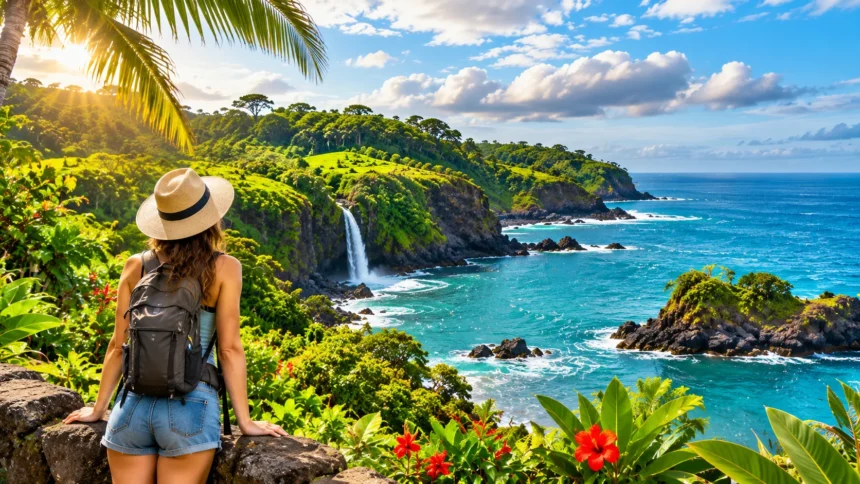
Imagine arriving in Maui after months of planning, excited to discover peaceful beaches, beautiful landscapes, and authentic Hawaiian culture. However, you soon find yourself surrounded by crowds, expensive tourist attractions, and an overwhelming number of activities. Your dream vacation starts feeling more exhausting than relaxing.
When searching for Maui things to do, it is easy to focus entirely on the island’s most famous attractions. While these places are worth discovering, Maui also has charming small towns, beautiful gardens, wildlife reserves, and cultural experiences that many visitors overlook.
The secret to enjoying Maui is choosing experiences that match your interests rather than trying to visit everything. This guide covers popular attractions, lesser-known destinations, traditional food, seasonal highlights, and practical travel tips. With thoughtful planning, you can experience the island’s beauty while respecting its communities and natural environment.
Where Is Maui and What Makes It Special?
Maui is the second-largest island in the Hawaiian archipelago by land area. Located in the central Pacific Ocean, it is known for its volcanic mountains, tropical vegetation, beautiful coastline, and agricultural landscapes. Its nickname, the Valley Isle, reflects its distinctive geography.
Unlike destinations that focus primarily on beach tourism, Maui offers several different environments within one island. You can discover green mountain slopes, dry coastal landscapes, historic communities, and tropical forests. Each region provides a different perspective on Hawaiian island life.
Maui also has a rich cultural heritage that extends far beyond tourism. Native Hawaiian traditions, agricultural history, and diverse communities have shaped its identity. Understanding these connections can make your visit more meaningful.
Best Maui Things to Do for First-Time Visitors
With so many attractions available, deciding where to begin can feel overwhelming. Trying to explore the entire island in a few days often results in long journeys and rushed experiences. Start with a few major attractions that showcase Maui’s different landscapes and cultural characteristics.
Visit Haleakalā National Park
Haleakalā National Park is one of Maui’s most recognizable natural attractions. Its volcanic summit rises approximately 10,023 feet above sea level, creating a landscape that looks remarkably different from the island’s tropical coastline. Volcanic formations and unusual vegetation contribute to its distinctive appearance.
Sunrise is particularly famous because the mountain sometimes offers views above the clouds. However, visitors entering the summit district between 3 a.m. and 7 a.m. generally need an advance sunrise reservation. Daytime visits provide another opportunity to appreciate the volcanic scenery.
Temperatures at the summit can be considerably colder than at sea level. Bring suitable clothing and consult official park guidance about weather, altitude, and accessibility. Visitors with health concerns should discuss high-altitude travel with a healthcare professional.
Discover the Road to Hāna
The Road to Hāna is a scenic route along Maui’s northeastern and eastern coastline. It passes through tropical vegetation, coastal communities, and landscapes shaped by the island’s volcanic history. The journey itself is one of its main attractions.
Many visitors underestimate how much time this journey requires. Narrow roads, changing weather, and traffic can make transportation slower than expected. An organized tour with an experienced local guide can provide a more relaxed introduction to the region.
Respect residents by stopping only in designated parking areas and avoiding private property. Do not attempt to visit every waterfall or follow unofficial shortcuts promoted online. Thoughtful sightseeing helps protect both visitors and local communities.
Explore ʻĪao Valley State Monument
ʻĪao Valley is famous for its dramatic green mountains and the distinctive geological formation known as the ʻĪao Needle. Its dense vegetation creates a beautiful contrast with Maui’s drier coastal regions. The valley also holds significant historical and cultural importance.
In 1790, the valley was the location of the Battle of Kepaniwai, an important event in Hawaiian history. Learning about this history provides a deeper appreciation of the landscape. It is much more than a picturesque location for vacation photographs.
Advance reservations are required for nonresident visitors under current park arrangements. Check opening conditions before visiting because heavy rainfall and maintenance can affect access. Remain within designated visitor areas and respect the site’s cultural significance.
Visit Waiʻānapanapa State Park
Waiʻānapanapa State Park is particularly famous for its black sand beach near Hāna. Dark volcanic material, green vegetation, and blue ocean waters create a remarkable natural contrast. The surrounding coastline provides opportunities to appreciate Maui’s geological diversity.
The park contains coastal formations and culturally significant landscapes that contribute to its appeal. Visitors interested in photography and environmental history may find it especially rewarding. However, ocean conditions can be unpredictable.
Nonresident visitors generally require advance entry reservations, along with parking reservations when applicable. Book through the official reservation system and check current park notices. Avoid entering closed areas or approaching hazardous coastal formations.
Discover Maui Ocean Center
If you want to learn about Hawaii’s marine environment without entering the ocean, Maui Ocean Center is an excellent option. Located in Māʻalaea, the aquarium features educational experiences connected to Hawaiian marine life. Its exhibits highlight coral reefs, aquatic animals, and conservation efforts.
Visitors can learn about relationships between marine ecosystems and Hawaiian cultural traditions. Educational displays explain why protecting these environments is important. The experience is particularly appealing to families and visitors interested in wildlife.
The aquarium also provides a convenient alternative when weather conditions interrupt outdoor sightseeing. Check admission details, parking arrangements, and opening hours before visiting. Allow enough time to appreciate the exhibits rather than rushing through them.
Hidden Gems in Maui Worth Discovering
Many travel guides recommend the same beaches, scenic viewpoints, and resort communities. While these destinations are popular for good reasons, concentrating entirely on them can mean missing other interesting experiences. Maui contains several publicly accessible attractions that receive less attention from first-time visitors.
Keālia Pond National Wildlife Refuge
Keālia Pond National Wildlife Refuge is a protected wetland near Kīhei and Māʻalaea. Its landscapes provide important habitats for native Hawaiian waterbirds and other species. The refuge offers a peaceful contrast to Maui’s busier tourism areas.
The Keālia Coastal Boardwalk allows visitors to appreciate the wetland environment from a designated public space. Depending on the season, you may observe different bird species and natural surroundings. Binoculars can make wildlife viewing more enjoyable without disturbing animals.
The refuge is particularly suitable for travelers interested in conservation and photography. Check official opening hours and visitor information before arriving. Respect wildlife by maintaining appropriate distances and keeping noise levels low.
Maui Nui Botanical Gardens
Maui Nui Botanical Gardens in Kahului provides a fascinating introduction to Hawaiian plant life. The gardens focus on conserving native plants and preserving cultural knowledge associated with them. Their educational approach makes this attraction different from ordinary ornamental gardens.
Visitors can learn how plants contribute to traditional Hawaiian practices and environmental conservation. Some species have important relationships with local crafts, food production, and cultural history. These connections provide a deeper understanding of the island’s natural heritage.
The gardens are an attractive addition to a Central Maui itinerary. They can be combined with nearby cultural attractions without requiring an entire day of travel. Confirm opening hours and admission arrangements before visiting.
Makawao Town
Makawao is a charming community located in Upcountry Maui. It is known for its connection to Hawaiian cowboy culture, commonly called paniolo heritage. Traditional architecture, local galleries, and small businesses contribute to its distinctive atmosphere.
Unlike the island’s larger coastal resorts, Makawao offers a more agricultural and historical setting. Visitors can explore locally owned shops, discover artwork, and enjoy regional food. Its elevated location also creates different weather conditions from the coast.
Spend time learning about the town’s heritage rather than treating it as another shopping destination. Supporting independent businesses can help tourism contribute directly to the community. A relaxed visit allows you to appreciate its individual character.
Hale Hōʻikeʻike at the Bailey House
Located in Wailuku, Hale Hōʻikeʻike at the Bailey House is operated by the Maui Historical Society. The museum preserves historical objects and information connected to the island’s development. Its collections provide valuable insights into Hawaiian history and cultural heritage.
Visitors can discover aspects of Maui’s past that are often missing from conventional beach vacations. Learning about historical communities and significant cultural changes adds context to other sightseeing experiences. It also encourages a more respectful understanding of the island.
The museum is particularly worthwhile for travelers interested in history and education. Check current opening arrangements before planning your visit. Combining it with nearby Central Maui attractions makes sightseeing more convenient.
Wailuku Town
Wailuku is a historic community near the entrance to ʻĪao Valley. Its local businesses, older buildings, and cultural institutions provide a different atmosphere from Maui’s beachfront resort areas. It is an interesting destination for travelers who enjoy discovering everyday community life.
Visitors can explore public streets, discover independent cafés, and appreciate historical architecture. Local cultural events and artistic activities may also provide additional reasons to visit. Availability varies throughout the year.
Remember that Wailuku is a working community rather than a purpose-built tourist attraction. Respect residents, private property, and local parking regulations. Thoughtful exploration allows visitors to enjoy the town without disrupting everyday life.
Best Beaches in Maui for Beautiful Scenery
Choosing a beach based entirely on photographs can lead to disappointing experiences. Some beaches offer convenient facilities, while others are better suited to coastal sightseeing. Understanding their differences helps you select destinations that match your expectations.
Wailea Beach
Wailea Beach is located along Maui’s southern coastline and is known for its attractive sandy shoreline. The surrounding area contains hotels, landscaped public spaces, and dining facilities. Its scenery makes it a recognizable part of South Maui.
Visitors can enjoy ocean views and appreciate the surrounding coastal environment. Nearby accommodation makes the destination convenient for travelers staying in Wailea. However, parking and visitor numbers can vary throughout the year.
Keawakapu Beach
Keawakapu Beach lies between the Kīhei and Wailea areas. Its sandy shoreline and views of nearby islands make it appealing to people who enjoy coastal scenery. The surrounding area has a different atmosphere from some larger resort beaches.
Visitors often appreciate its natural beauty and relatively relaxed setting. However, conditions and visitor numbers depend on the time of year. Check local beach notices before planning your visit.
Hoʻokipa Beach Park
Hoʻokipa Beach Park on Maui’s North Shore is famous for its dramatic ocean conditions and coastal scenery. It is also associated with Hawaiian green sea turtles that sometimes rest along the shoreline. Visitors can appreciate these animals from designated viewing areas.
Strong waves and currents can make the ocean particularly hazardous at this location. Enjoy the scenery from authorized land-based viewing areas rather than entering unsafe water. Always follow lifeguard guidance and posted wildlife protection notices.
Kā‘anapali Beach
Kā‘anapali is one of West Maui’s most recognizable beach destinations. Its sandy shoreline is surrounded by accommodation, restaurants, and tourism facilities. This combination makes it appealing to travelers who prefer convenient access to essential services.
Visitors should remain aware of local community needs and recovery-related guidance in West Maui. Support businesses operating in authorized visitor areas and respect any restrictions. Responsible travel is especially important in communities affected by the 2023 wildfires.
| Beach | Region | Main attraction |
|---|---|---|
| Wailea Beach | South Maui | Scenic shoreline and convenient facilities |
| Keawakapu Beach | South Maui | Attractive coastal views |
| Hoʻokipa Beach Park | North Shore | Ocean scenery and wildlife viewing |
| Kā‘anapali Beach | West Maui | Beachfront accommodation and facilities |
| Waiʻānapanapa | East Maui | Distinctive black sand coastline |
Discover the Beauty of Upcountry Maui
Spending your entire vacation near the coast means experiencing only one side of Maui. Upcountry Maui contains agricultural communities, cooler mountain landscapes, and beautiful countryside. Its scenery provides a refreshing alternative to traditional beach holidays.
The region extends across the slopes of Haleakalā and includes communities such as Kula and Makawao. Farms, gardens, and local food producers contribute to its distinctive identity. Different elevations create growing conditions that support various agricultural products.
Consider dedicating a separate day to exploring this region. A slower schedule provides more opportunities to appreciate local businesses and countryside scenery. Check individual attractions before visiting because some agricultural properties are not open to the public.
Explore Kula
Kula is particularly known for its elevated landscapes and agricultural heritage. The surrounding countryside contains farms, gardens, and scenic views across the island. Cooler temperatures often distinguish the area from Maui’s coastal communities.
Visitors can discover authorized farm tours and local agricultural products. These experiences provide insights into how the island’s geography influences food production. Supporting local producers also creates opportunities to learn about community traditions.
Experience Traditional Hawaiian Culture
Visiting Maui without learning about Hawaiian culture can leave you with an incomplete understanding of the island. Beautiful landscapes are only one part of its identity. Native Hawaiian knowledge, traditions, and history continue to shape local communities.
Cultural experiences can help visitors understand the relationships between people, land, and ocean. Museums, educational programs, and community-led activities provide opportunities to learn respectfully. Choose experiences that accurately represent Hawaiian traditions rather than treating culture purely as entertainment.
Pay attention to the guidance provided by cultural practitioners and local organizations. Some places and practices hold special significance and are not intended for unrestricted public access. Respecting these boundaries is an essential part of responsible tourism.
Learn About Hawaiian Music and Hula
Hula is an important Hawaiian cultural practice that communicates stories, history, and relationships through movement and music. It represents much more than a performance designed for tourists. Different traditions and styles reflect the depth of Hawaiian cultural knowledge.
Visitors can learn through appropriate educational presentations and cultural programs. Listening to the explanations behind performances can make the experience more meaningful. Choose programs that respect and accurately represent Hawaiian heritage.
Support Community Conservation Projects
Some travelers want their vacation to contribute positively to the destination they visit. Community-organized conservation activities can provide opportunities to learn while supporting environmental protection. These experiences may involve educational programs or supervised restoration work.
Choose established organizations that welcome visitor participation and provide appropriate guidance. Check age requirements, accessibility, and activity expectations before registering. Responsible participation should support local priorities rather than create additional work for community organizations.
Traditional Food to Try in Maui
Eating exclusively at familiar resort restaurants can mean missing an important part of Maui’s cultural identity. The island’s cuisine reflects Native Hawaiian traditions alongside influences from several immigrant communities. Local ingredients and regional cooking styles create a diverse food culture.
Small restaurants, bakeries, and food businesses provide opportunities to discover everyday flavors. Instead of concentrating only on expensive dining experiences, consider trying traditional dishes and locally produced ingredients. Food can become one of the most memorable parts of your vacation.
Hawaiian Plate Lunch
A Hawaiian plate lunch commonly includes rice, macaroni salad, and a main dish. Different restaurants prepare their own versions using meat, seafood, or other ingredients. It reflects the diverse culinary influences that shaped Hawaii’s food culture.
Plate lunches are popular because of their straightforward and satisfying combinations. They can provide an interesting alternative to conventional resort meals. Ask about ingredients if you have allergies or specific dietary requirements.
Poke
Poke is a traditional Hawaiian preparation commonly made with seasoned pieces of fish. Modern variations incorporate different sauces, vegetables, and accompanying ingredients. Its flavors reflect both traditional practices and later culinary influences.
Because many versions contain raw fish, food safety is an important consideration. Cooked seafood alternatives are available at some restaurants. People with health-related dietary restrictions should follow appropriate medical guidance.
Malasadas
Malasadas are sweet fried pastries introduced to Hawaii through Portuguese culinary traditions. They are commonly coated in sugar and may contain different fillings. Local bakeries often prepare their own variations.
Trying malasadas provides a small introduction to Hawaii’s multicultural food history. Their popularity demonstrates how immigrant traditions became part of everyday island cuisine. Enjoying local bakery products can also support independent businesses.
Locally Grown Tropical Fruit
Maui’s agricultural communities produce various fruits and other crops. Depending on the season, visitors may discover mangoes, papayas, bananas, pineapples, and other local products. Farmers’ markets provide opportunities to learn about regional ingredients.
Availability changes according to growing conditions and harvest periods. Ask vendors about locally grown products rather than assuming everything was produced on Maui. These conversations can provide interesting insights into the island’s agricultural heritage.
Best Free Things to Do in Maui
A vacation in Maui can become expensive when every activity requires an admission ticket or organized tour. However, some of the island’s most rewarding experiences involve appreciating public spaces and natural scenery. Combining free activities with selected paid attractions can help manage expenses.
Consider choosing accommodation near the attractions that interest you most. This may reduce transportation costs and make spontaneous sightseeing easier. Remember that parking charges can still apply at otherwise free destinations.
Some free or low-cost things to do in Maui include:
- Exploring publicly accessible streets in Makawao and Wailuku.
- Enjoying coastal scenery from designated public areas.
- Observing birds at Keālia Pond National Wildlife Refuge.
- Visiting local farmers’ markets.
- Discovering public art and community displays.
- Watching the sunset from authorized coastal viewpoints.
- Observing seasonal humpback whales from shore.
Check individual locations for parking fees, opening hours, and access restrictions. A budget-friendly vacation does not require ignoring conservation rules or community boundaries.
Best Time to Visit Maui
Choosing the wrong season can affect your vacation budget and the experiences available. Maui enjoys relatively warm coastal conditions throughout the year, but rainfall, visitor numbers, and ocean conditions vary. Higher elevations also experience considerably cooler weather.
Spring: March to May
Spring can offer pleasant conditions for exploring coastal communities and cultural attractions. Travel demand may decrease outside major holiday periods. The season is particularly attractive for visitors seeking a balance between sightseeing and relaxation.
Humpback whales may still be present during early spring, although sightings become less predictable later in the season. Regional rainfall patterns can also influence outdoor experiences. Keep your schedule flexible when planning nature-based activities.
Summer: June to August
Summer generally brings warm coastal weather and longer daylight hours. Family holidays contribute to increased demand for accommodation and popular attractions. Booking essential reservations in advance can help reduce uncertainty.
Temperatures can become uncomfortable during extended outdoor sightseeing. Plan around weather conditions and allow sufficient opportunities to rest. Mountain areas may provide cooler surroundings than coastal destinations.
Autumn: September to November
Autumn can provide a quieter atmosphere outside major holiday periods. Accommodation prices may become more competitive depending on location and demand. This season is particularly appealing to travelers with flexible schedules.
Weather conditions remain variable, and tropical weather systems can affect travel arrangements. Check official forecasts and choose flexible booking policies when possible. A balanced itinerary helps accommodate unexpected changes.
Winter: December to February
Winter is a popular time for travelers escaping colder climates. It also coincides with Maui’s humpback whale season, creating distinctive wildlife viewing opportunities. Accommodation demand can increase significantly around the holiday period.
Rainfall and ocean conditions may become more variable in certain areas. Mountain temperatures can also be surprisingly cold. Pack suitable clothing and plan alternative activities for unfavorable weather.
| Season | Main highlights | Things to consider |
|---|---|---|
| Spring | Pleasant sightseeing and seasonal wildlife | Variable rainfall |
| Summer | Warm weather and family vacations | Larger crowds and heat |
| Autumn | Potentially quieter travel periods | Tropical weather systems |
| Winter | Humpback whales and warm coastal escapes | Higher holiday demand |
When Can You See Humpback Whales in Maui?
Many travelers visit Maui hoping to observe humpback whales without understanding their migration patterns. These marine mammals travel to Hawaiian waters seasonally for breeding and caring for their young. Their presence creates one of the island’s most remarkable natural experiences.
Whale sightings are generally possible during winter and early spring, with January through March often providing excellent opportunities. Visitors may observe whales from appropriate coastal viewpoints without arranging an ocean excursion. Binoculars can help you appreciate wildlife while maintaining a respectful distance.
Federal regulations prohibit approaching humpback whales within 100 yards in Hawaiian waters. Wildlife should never be disturbed for photographs or closer views. Sightings depend on natural conditions and cannot be guaranteed.
Where to Stay in Maui
Booking accommodation without understanding Maui’s geography can result in unnecessary transportation expenses. Different regions provide different experiences, and traveling across the island can take longer than expected. Choosing the right base makes your itinerary easier to manage.
South Maui
South Maui includes Kīhei and Wailea, both known for their attractive coastline. Kīhei offers various accommodation styles, while Wailea is particularly associated with higher-end resorts. The region provides convenient access to restaurants and coastal attractions.
West Maui
West Maui contains established visitor areas such as Kā‘anapali and Kapalua. These destinations offer attractive scenery and tourism facilities. Visitors should remain informed about community recovery efforts and respect restrictions in fire-affected areas.
Central Maui
Central Maui includes Kahului and Wailuku, offering convenient access to transportation and cultural attractions. This region may appeal to travelers interested in history, local businesses, and exploring different parts of the island. Its atmosphere differs from traditional beachfront resort communities.
Upcountry Maui
Upcountry accommodation provides a different experience centered on countryside scenery and agricultural communities. Cooler temperatures and mountain views may appeal to travelers seeking quieter surroundings. However, coastal attractions generally require additional transportation.
| Region | Best suited for |
|---|---|
| South Maui | Beach holidays and convenient facilities |
| West Maui | Resort accommodation and coastal scenery |
| Central Maui | Cultural sightseeing and transportation access |
| Upcountry Maui | Countryside scenery and relaxed surroundings |
A Simple Five-Day Maui Travel Itinerary
Trying to visit every attraction within a short vacation can leave you spending more time traveling than enjoying the island. Grouping experiences by region reduces unnecessary journeys. The following five-day Maui itinerary provides a balanced introduction to the island.
Day One: Discover South Maui
Spend your first day exploring the surroundings near Kīhei or Wailea. Enjoy coastal scenery, visit local restaurants, and become familiar with your accommodation area. Keep your schedule relaxed after traveling.
Day Two: Explore Central Maui
Visit ʻĪao Valley State Monument with the appropriate reservation and explore Wailuku’s cultural attractions. Consider including Hale Hōʻikeʻike or Maui Nui Botanical Gardens, depending on opening hours. Finish the day by enjoying a meal at a locally owned restaurant.
Day Three: Discover Upcountry Maui
Spend time exploring Makawao and Kula to experience Maui’s agricultural landscapes and cultural heritage. Include authorized farm visits or local galleries according to your interests. Consider a separate daytime visit to Haleakalā if conditions and available time permit.
Day Four: Experience East Maui
Arrange a guided sightseeing experience along the Road to Hāna. Include Waiʻānapanapa State Park if the necessary reservations and access arrangements are available. Allow sufficient time to appreciate the region without rushing between attractions.
Day Five: Enjoy Wildlife and Local Favorites
Visit Keālia Pond National Wildlife Refuge or Maui Ocean Center for a different perspective on the island’s natural environment. During whale season, consider observing humpback whales from a designated coastal viewpoint. Finish your vacation with local food and some unplanned relaxation.
How to Visit Maui on a Budget
Maui is generally considered an expensive vacation destination, especially when accommodation and transportation costs are combined. Resort fees, restaurant meals, and organized activities can quickly increase your overall expenses. Planning a realistic budget helps prevent financial stress.
Consider traveling outside major holiday periods and comparing accommodation with kitchen facilities. Preparing some meals independently can reduce restaurant expenses. Grouping attractions by location may also reduce unnecessary transportation costs.
Practical ways to manage your Maui travel budget include:
- Comparing accommodation prices across flexible travel dates.
- Checking resort fees, parking charges, and taxes.
- Visiting free public attractions and cultural destinations.
- Buying groceries and local produce.
- Prioritizing a few meaningful paid experiences.
- Checking official park admission requirements.
- Keeping money available for unexpected expenses.
Saving money should not require sacrificing safety or ignoring local regulations. Choose a realistic itinerary that fits your available resources. Meaningful experiences are often more valuable than expensive entertainment packages.
How to Explore Maui Responsibly
Maui’s popularity creates economic opportunities but also places pressure on natural resources and local communities. Visitors can help reduce unnecessary impacts by making thoughtful decisions. Responsible tourism begins with recognizing that the island is home to people, not simply a vacation destination.
The 2023 wildfires caused significant damage and disruption, particularly in Lahaina. Recovery remains an important consideration for visitors exploring West Maui. Respect restricted areas, avoid photographing fire-affected sites, and follow current community guidance.
Supporting locally owned businesses, respecting cultural sites, and protecting wildlife are meaningful ways to contribute positively. Avoid taking sand, coral, or rocks from protected environments. Small decisions can help preserve the island’s natural and cultural heritage.
Essential Maui Travel Tips for First-Time Visitors
Even well-planned vacations can become frustrating when visitors overlook important local requirements. Weather changes, parking restrictions, and reservation systems can affect everyday sightseeing. Understanding these details before arriving helps prevent unnecessary complications.
Check transportation arrangements, accommodation policies, and attraction schedules before finalizing your itinerary. Some popular destinations require advance reservations, while others may experience temporary closures. Do not rely entirely on outdated social media recommendations.
Keep these practical travel tips in mind:
- Reserve required national and state park access in advance.
- Bring suitable clothing for both coastal and mountain weather.
- Follow ocean safety warnings and lifeguard guidance.
- Respect private property and culturally sensitive locations.
- Maintain recommended distances from protected wildlife.
- Support locally owned restaurants and businesses.
- Check official weather forecasts and park notices.
- Allow additional time between destinations.
A successful Maui vacation does not require following a rigid schedule. Leave room for rest, weather-related changes, and unexpected discoveries. A flexible approach allows you to enjoy the island at a comfortable pace.
Common Mistakes to Avoid When Visiting Maui
Many visitors underestimate the time required to explore Maui’s different regions. Although the island appears relatively compact on a map, road conditions and geographical features can make travel slower than expected. Attempting too much in one day often reduces the quality of each experience.
Another common mistake is searching for secret attractions without considering whether those locations are legally accessible. Some places promoted online are private properties, culturally sensitive sites, or environmentally protected areas. Publicly accessible alternatives provide opportunities to discover Maui without causing unnecessary harm.
Other mistakes worth avoiding include assuming that every beach has safe ocean conditions, forgetting required reservations, and overlooking community recovery guidance. Avoid planning your entire vacation around photographs found on social media. Choose experiences based on accurate information and your genuine interests.
Frequently Asked Questions
What are the best things to do in Maui?
Popular Maui attractions include Haleakalā National Park, ʻĪao Valley, the Road to Hāna, Waiʻānapanapa State Park, and Maui Ocean Center. Upcountry communities and wildlife reserves also provide rewarding experiences.
What are some hidden gems in Maui?
Lesser-known Maui attractions include Keālia Pond National Wildlife Refuge, Maui Nui Botanical Gardens, Makawao, and Hale Hōʻikeʻike at the Bailey House. These destinations showcase the island’s natural and cultural diversity.
How many days do you need in Maui?
Five to seven days provides a reasonable amount of time to explore several regions without rushing. Shorter visits can still be enjoyable when you prioritize nearby attractions and allow sufficient relaxation time.
What is the best month to visit Maui?
April, May, September, and October can be attractive for travelers seeking pleasant conditions outside major holiday periods. January through March is particularly appealing to visitors interested in seasonal humpback whale viewing.
Can you enjoy Maui without spending a lot of money?
Yes, visitors can manage expenses by traveling outside peak periods, choosing practical accommodation, exploring public attractions, and enjoying local food. However, transportation, accommodation, and parking costs should still be considered.
Conclusion
When searching for Maui things to do, remember that the island’s beauty extends far beyond its famous beaches and luxury resorts. From the volcanic landscapes of Haleakalā to the cultural heritage of Wailuku and the peaceful surroundings of Keālia Pond, every region provides something distinctive. Exploring these different environments can make your vacation more meaningful.
The key to enjoying Maui is balancing popular attractions with lesser-known experiences while respecting local communities and natural resources. Choose suitable travel dates, arrange necessary reservations, and allow enough time to appreciate each destination. A thoughtful itinerary can reduce unnecessary expenses and travel frustrations.
Start by selecting your favorite five attractions from this guide and organizing them according to their geographical locations. Include local food, cultural experiences, and enough time to relax between activities. The most memorable Maui vacation is not the one filled with the most attractions, but the one that allows you to truly appreciate the island and its people.