

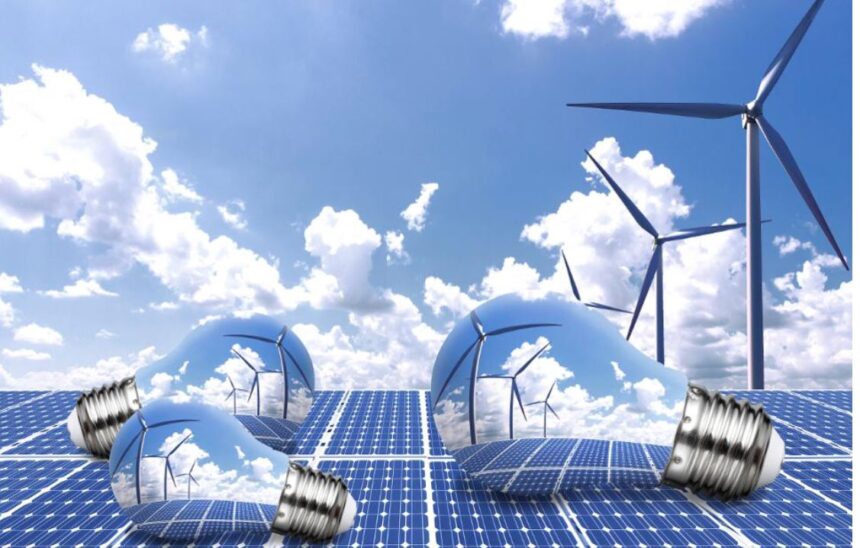
The world is shifting. As concerns about climate change and energy security grow, renewable energy technologies are taking center stage. Solar panels glimmering under the sun, wind turbines spinning gracefully on hillsides, and innovative bioenergy solutions are transforming landscapes worldwide. These advancements hold promise not just for our environment but also for economies and communities.
Imagine a future where clean energy powers our homes, fuels our vehicles, and drives industries without harming the planet. This vision isn’t far off; it’s unfolding right before our eyes. With relentless innovation in renewable resources, we’re on the brink of an exciting era in sustainable living.
Let’s explore how solar technology is becoming more efficient, why wind power is gaining momentum like never before, and how other forms of renewable energy are changing the game. The journey has begun—are you ready to see what lies ahead?
Advancements in Solar Energy
Solar energy has seen remarkable advancements in recent years. Innovative technologies are pushing the boundaries of efficiency and accessibility.
One major breakthrough is the development of perovskite solar cells. These materials promise higher efficiency rates while being cheaper to produce. Researchers are excited about their potential to revolutionize solar technology.
Another exciting advancement is bifacial solar panels. They capture sunlight from both sides, maximizing energy output even in shaded conditions. This dual functionality enhances performance significantly.
Energy storage solutions have also improved dramatically. All-in-one systems such as SigenStor take this a step further by combining a solar inverter, battery storage and an EV charger in a single modular unit that can grow with a household’s energy needs.New battery technologies allow for better storage, enabling households and businesses to rely on solar power even when the sun isn’t shining.
Smart grid integration offers a seamless connection between renewable sources and traditional power systems. This innovation paves the way for more efficient distribution and management of electricity generated from solar energy, making it an increasingly reliable resource for all users.
The Rise of Wind Power
Wind power is gaining momentum as a key player in the renewable energy landscape. With technological advancements, turbines have become more efficient and cost-effective. This transformation has spurred their adoption across both urban and rural settings.
The vast potential of wind energy lies in its abundance. Wind farms can be established onshore or offshore, tapping into high-velocity winds that are often untapped resources. Countries around the globe are investing heavily in this sector to reduce carbon footprints.
Additionally, innovations like vertical-axis turbines provide alternatives for different environments. These designs allow for improved aesthetics and efficiency at lower heights, making them suitable for residential areas.
As communities embrace sustainability, wind power stands out not just as an energy source but also as a symbol of progress towards greener living. Its ability to integrate with other renewables enhances its appeal further.
The Potential of Hydroelectricity
Hydroelectricity harnesses the power of flowing water to generate energy. This method has been a cornerstone of renewable energy for decades.
Dams and rivers are pivotal in this process. When water flows through turbines, it creates electricity with minimal emissions. As technology advances, we’re seeing smaller systems that can be more easily integrated into local environments.
Micro-hydropower projects offer hope for remote communities. These installations can provide reliable energy without the need for extensive infrastructure.
The environmental impact is often debated, but innovations aim to mitigate these concerns. Fish ladders and improved designs help maintain ecosystems while producing clean power.
As climate change intensifies, hydroelectricity stands out as a stable resource. Countries worldwide are investing in new plants and upgrades to existing facilities to maximize output efficiently.
Innovations in Geothermal Energy
Geothermal energy is making waves with innovative technologies that tap into the Earth’s natural heat. Enhanced geothermal systems (EGS) are at the forefront, allowing us to access hot rock formations that were previously untapped. This approach significantly expands the potential for geothermal power generation.
Another exciting advancement comes from drilling techniques borrowed from the oil and gas industry. These methods improve efficiency and reduce costs, making it more viable for widespread adoption.
Moreover, direct-use applications are gaining traction across various sectors. From heating buildings to growing crops in greenhouses, this versatile energy source maximizes its utility beyond electricity generation.
New materials and designs in heat exchangers also contribute to improved performance while minimizing environmental impact. As research continues, we can expect even greater strides toward harnessing geothermal energy’s vast potential effectively.
Bioenergy and its Impact on the Environment
Bioenergy comes from organic materials, including plants and waste. This renewable energy source harnesses the power of nature to produce heat, electricity, and fuels.
One significant advantage is its ability to reduce greenhouse gas emissions. By utilizing biomass instead of fossil fuels, we can lower carbon footprints effectively. Plants absorb CO2 during their growth cycle, creating a more balanced carbon cycle when used as fuel.
However, bioenergy isn’t without challenges. Land use for growing energy crops might conflict with food production. Deforestation for biomass can lead to habitat loss and biodiversity decline.
Sustainable practices are essential in this sector. Innovations like advanced biogas technologies aim to maximize efficiency while minimizing environmental harm. Thus, combining bioenergy with responsible resource management is crucial for fostering a healthier planet moving forward.
Challenges and Limitations of Renewable Energy Technologies
Renewable energy technologies present incredible potential, but they also face significant challenges. One major hurdle is the intermittency of sources like solar and wind. Sunlight doesn’t always shine, nor does the wind consistently blow. This variability can complicate energy supply management.
Infrastructure issues remain another barrier. Many regions lack the necessary grids to efficiently transmit renewable power from generation sites to consumers. Upgrading these infrastructures requires substantial investment.
Additionally, there are environmental concerns tied to large-scale installations. For instance, building solar farms or wind turbines may disrupt local ecosystems and wildlife habitats.
Cost remains a critical factor too. Although prices for renewables have dropped significantly, initial setup expenses can still be steep for new projects.
Public perception often shapes policy decisions on renewable energy initiatives. Misinformation or resistance in communities can delay essential advancements needed for a sustainable future.
The Future Outlook for Renewable Energy
The future of renewable energy shines bright, driven by innovation and necessity. As climate change escalates, there’s a growing urgency to transition away from fossil fuels. This shift is not just beneficial but essential for sustainable living.
Emerging technologies are set to revolutionize the way we harness natural resources. Innovations like perovskite solar cells are promising more efficient energy capture at lower costs. Wind power continues to expand with larger turbines that generate power even in low-wind conditions.
Energy storage solutions are advancing too, making it easier to store excess energy from renewables for use during peak demand times.
Policy frameworks across the globe increasingly favor green investments, encouraging businesses and consumers alike to adopt cleaner alternatives. The synergy between technology and environmental awareness paves the way for a robust renewable energy landscape that is both resilient and adaptable in an uncertain future.
Conclusion
The future of renewable energy technologies is bright and full of promise. As we embrace innovations in solar, wind, hydro, geothermal, and bioenergy sectors, the potential for a sustainable world becomes increasingly tangible. Every advancement brings us closer to reducing our reliance on fossil fuels.
However, challenges remain. Energy storage solutions need enhancement to match supply with demand effectively. Infrastructure upgrades are also essential to handle new energy sources efficiently. Despite these hurdles, the collective push towards cleaner alternatives shows no signs of slowing down.
As governments prioritize sustainability initiatives and private investments surge into green technologies, the landscape will continue to evolve rapidly. The drive for a greener planet motivates researchers and engineers alike to think outside the box.
Renewable energy isn’t just about technology; it’s about creating a better quality of life for generations to come. The shift toward more sustainable practices presents an opportunity not only for environmental restoration but also economic growth through job creation in emerging green industries.
With an optimistic outlook ahead, embracing renewable energy could redefine how we live harmoniously with nature while ensuring that our planet remains vibrant and thriving for years to come.