

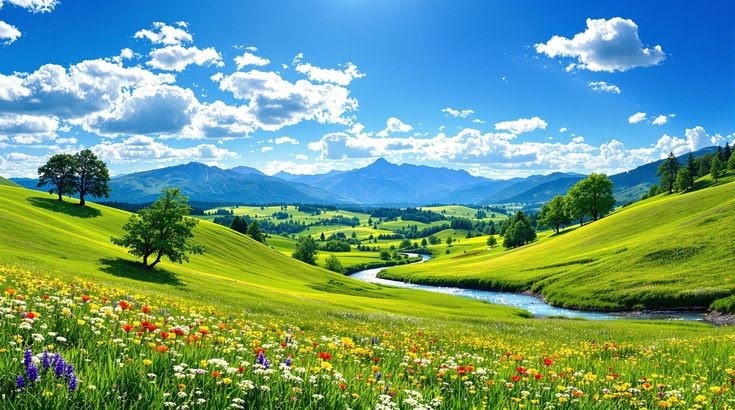
Biodiversity is one of the foundations of life on Earth. It refers to the variety of living organisms, the genetic differences within species, and the ecosystems in which they exist. From forests and oceans to grasslands, wetlands, deserts, and urban environments, biodiversity supports natural processes that make life possible.
Every plant, animal, fungus, and microorganism can play a role within an ecosystem. Some provide food, others pollinate plants, recycle nutrients, control pests, filter water, or help maintain healthy soils.
Understanding the importance of biodiversity is essential because human societies depend on functioning ecosystems for food, clean water, materials, economic activity, and environmental stability.
What Is Biodiversity?
Biodiversity generally describes the variety of life at several levels.
Species diversity refers to the variety of species within an ecosystem or across the planet.
Genetic diversity describes the differences between individuals and populations of the same species.
Ecosystem diversity refers to the variety of habitats and ecological systems, including forests, oceans, wetlands, rivers, grasslands, and deserts.
These different levels are interconnected and collectively contribute to healthy ecosystems.
Why Is Biodiversity Important?
Biodiversity helps ecosystems function effectively.
Different organisms perform different ecological roles. Plants capture energy from sunlight, insects pollinate many crops, microorganisms break down organic matter, and predators can help regulate populations.
When biodiversity is strong, ecosystems can have greater capacity to maintain essential processes and respond to environmental changes.
Biodiversity and Food Production
Human food systems depend heavily on biodiversity.
Many crops require pollinators such as bees, butterflies, birds, and other animals. Soil organisms help decompose organic material and contribute to nutrient cycling.
Genetic diversity within crops and livestock can also provide valuable characteristics such as resistance to diseases, pests, drought, or changing environmental conditions.
Protecting biodiversity can therefore support more resilient food systems.
The Role of Pollinators
Pollinators are essential to many ecosystems and agricultural systems.
Bees, butterflies, moths, birds, bats, and other animals transfer pollen between flowers, allowing many plants to reproduce.
Habitat loss, pesticide exposure, disease, invasive species, and environmental changes can threaten pollinator populations.
Protecting flowering plants and natural habitats can help support diverse pollinator communities.
Biodiversity and Clean Water
Healthy ecosystems can contribute to water quality.
Wetlands, forests, grasslands, and other natural areas can slow water movement, capture sediments, and support processes that influence water quality.
Vegetation can also reduce soil erosion and help maintain watersheds.
Protecting ecosystems around rivers, lakes, and groundwater recharge areas is therefore important for sustainable water resources.
Biodiversity and Healthy Soil
Soil is a living ecosystem containing microorganisms, fungi, insects, worms, and other organisms.
These organisms contribute to decomposition, nutrient cycling, soil structure, and other processes important for plant growth.
Agricultural practices that maintain soil biodiversity can contribute to long-term soil health.
Biodiversity and Climate Regulation
Ecosystems play important roles in the global carbon cycle.
Forests, wetlands, grasslands, mangroves, and other ecosystems can store carbon in vegetation and soils.
Protecting these ecosystems can help maintain natural carbon stores while preserving habitats and other environmental benefits.
Biodiversity conservation is therefore closely connected with broader environmental and climate strategies.
Forest Biodiversity
Forests are among the most biologically diverse ecosystems on Earth.
They provide habitat for plants, animals, fungi, insects, and microorganisms.
Forests also support water cycles, soil stability, carbon storage, and human livelihoods.
Deforestation and habitat fragmentation can reduce biodiversity and weaken ecosystem functions.
Marine Biodiversity
Oceans contain an enormous variety of life, from microscopic organisms to whales and complex coral ecosystems.
Marine biodiversity supports fisheries, nutrient cycles, coastal protection, tourism, and other economic and ecological activities.
Overfishing, pollution, habitat destruction, warming waters, and other pressures can threaten marine ecosystems.
Biodiversity in Freshwater Ecosystems
Rivers, lakes, wetlands, and streams support many species despite occupying a relatively small proportion of the Earth’s surface.
Freshwater biodiversity is important for food webs, water quality, nutrient cycling, and human water resources.
Pollution, excessive water extraction, habitat modification, invasive species, and changes in water flow can negatively affect freshwater ecosystems.
Biodiversity and Human Health
Healthy ecosystems can support human well-being in many ways.
Natural environments provide food, medicinal resources, clean water, and opportunities for recreation.
Biodiversity also contributes to scientific research. Many organisms contain compounds and biological characteristics that researchers can investigate for potential applications.
Protecting ecosystems can therefore preserve biological resources that may have future value.
Biodiversity and Medicine
Nature has contributed to the development of numerous medicines and scientific discoveries.
Plants, fungi, microorganisms, and marine organisms contain diverse chemical compounds that can be studied for pharmaceutical applications.
When species disappear, potentially valuable biological characteristics may disappear with them.
Biodiversity conservation can therefore help preserve opportunities for future scientific research.
Economic Importance of Biodiversity
Biodiversity supports numerous industries.
Agriculture, forestry, fishing, tourism, pharmaceuticals, food production, and other economic activities depend directly or indirectly on functioning ecosystems.
Nature-based tourism can also provide income for communities that protect important habitats.
Biodiversity conservation can therefore have significant economic as well as environmental value.
Biodiversity and Ecosystem Services
Ecosystem services are the benefits people receive from nature.
These include food production, pollination, water purification, soil formation, climate regulation, flood protection, recreation, and cultural benefits.
Biodiversity helps ecosystems perform many of these functions.
When ecosystems are damaged, the services they provide can also decline.
Threats to Biodiversity
Biodiversity faces multiple pressures.
Habitat destruction, pollution, overexploitation of natural resources, invasive species, climate change, and unsustainable land use can all contribute to biodiversity loss.
These pressures can interact with one another, making conservation more challenging.
Habitat Loss
Habitat loss is one of the major threats to biodiversity.
Agricultural expansion, urban development, roads, mining, logging, and infrastructure projects can transform natural habitats.
When habitats become smaller or fragmented, wildlife populations may become isolated and lose access to food, shelter, and breeding areas.
Pollution and Biodiversity
Pollution can damage ecosystems and affect organisms directly or indirectly.
Plastic waste, pesticides, industrial chemicals, excess nutrients, oil spills, and other pollutants can alter environmental conditions.
Reducing pollution is therefore an important part of biodiversity protection.
Invasive Species
Invasive species are organisms introduced into environments where they can spread and cause ecological or economic harm.
They may compete with native species, alter habitats, introduce diseases, or disrupt food webs.
Preventing the introduction of invasive species and managing established populations can help protect native biodiversity.
Climate Change and Biodiversity
Climate change can alter temperatures, precipitation patterns, ocean conditions, seasonal cycles, and habitat availability.
Some species may adapt or move to new areas, while others may struggle to respond quickly enough.
Climate change can also interact with other pressures such as habitat loss and pollution.
Protecting healthy ecosystems can help species and communities become more resilient.
Biodiversity and Urban Areas
Biodiversity conservation is not limited to rural landscapes.
Cities can support wildlife through parks, gardens, wetlands, green roofs, native plants, urban forests, and connected green spaces.
Urban biodiversity can also improve residents’ access to nature and contribute to healthier communities.
The Importance of Protected Areas
Protected areas can conserve important habitats and species by limiting activities that cause environmental damage.
National parks, marine protected areas, wildlife reserves, and other conservation areas can provide safe habitats for wildlife.
Effective protection requires appropriate management, enforcement, scientific monitoring, and cooperation with local communities.
Wildlife Corridors
Habitat fragmentation can isolate animal populations.
Wildlife corridors connect separated habitats, allowing animals and plants to move between areas.
Corridors can be particularly valuable when species need to migrate, find food, reproduce, or respond to changing environmental conditions.
Sustainable Agriculture
Agriculture and biodiversity can support one another when managed carefully.
Crop diversity, integrated pest management, soil conservation, agroforestry, responsible water use, and habitat protection can reduce pressure on ecosystems.
Farmers can also maintain hedgerows, flowering plants, wetlands, and other natural features that support beneficial species.
Sustainable Fisheries
Healthy marine and freshwater ecosystems are important for long-term fisheries.
Sustainable fishing practices can help maintain fish populations while protecting habitats and reducing accidental impacts on other species.
Effective management requires scientific monitoring, appropriate regulations, and cooperation among fishing communities and authorities.
The Role of Conservation Organizations
Conservation organizations contribute through habitat restoration, wildlife monitoring, environmental education, scientific research, and community programs.
Their work can complement government policies and local conservation efforts.
What Individuals Can Do
Individuals can contribute to biodiversity conservation through everyday choices.
Planting native species, reducing pollution, avoiding unnecessary pesticide use, supporting responsible products, reducing waste, respecting wildlife, and protecting natural habitats can all make a difference.
People can also support local conservation projects and learn more about species in their communities.
The Importance of Environmental Education
Education helps people understand how ecosystems function and why biodiversity matters.
Schools and communities can encourage nature observation, conservation activities, ecological research, and responsible environmental behavior.
Greater environmental awareness can create stronger support for long-term conservation.
Biodiversity and Future Generations
Biodiversity is a natural inheritance that cannot easily be recreated once species and ecosystems disappear.
Protecting biological diversity today helps preserve ecological resources and opportunities for future generations.
Conservation is therefore not only about protecting individual species but also about maintaining the complex systems that support life.
How Technology Can Support Biodiversity
Modern technology can assist conservation efforts.
Satellite imagery, camera traps, environmental sensors, genetic analysis, geographic information systems, and data analytics can help researchers monitor ecosystems and wildlife populations.
Artificial intelligence may also assist researchers in analyzing large environmental datasets and identifying patterns.
Technology is most effective when combined with strong conservation policies and on-the-ground management.
Restoring Damaged Ecosystems
Conservation is not only about protecting what remains.
Ecosystem restoration can involve replanting forests, restoring wetlands, improving rivers, rehabilitating degraded land, and creating habitats for native species.
Restoration projects can recover ecological functions while providing benefits for local communities.
The Future of Biodiversity Conservation
Future conservation efforts will likely focus increasingly on ecosystem restoration, climate resilience, sustainable agriculture, marine protection, urban biodiversity, and responsible resource management.
International cooperation will remain important because ecosystems and species do not follow political boundaries.
The most successful approaches are likely to combine scientific knowledge, local experience, economic considerations, and community participation.
Conclusion
Biodiversity is essential to the health and stability of Earth’s ecosystems. It supports food production, clean water, healthy soils, pollination, climate regulation, medicine, economic activity, and countless other benefits.
Yet biodiversity faces growing pressure from habitat loss, pollution, overexploitation, invasive species, and climate change.
Protecting biodiversity requires action at multiple levels. Governments can establish effective conservation policies, businesses can adopt sustainable practices, communities can protect local ecosystems, and individuals can make environmentally responsible choices.
Ultimately, protecting biodiversity means protecting the natural systems on which human societies depend. A future with healthy ecosystems and diverse species is not only better for nature—it is essential for a resilient and sustainable human civilization.
Frequently Asked Questions
What is biodiversity?
Biodiversity is the variety of living organisms, genetic differences within species, and ecosystems found on Earth.
Why is biodiversity important?
Biodiversity supports essential ecosystem functions such as pollination, food production, nutrient cycling, water purification, soil health, and climate regulation.
What are the main threats to biodiversity?
Major threats include habitat loss, pollution, overexploitation, invasive species, climate change, and unsustainable land-use practices.
How does biodiversity help agriculture?
Biodiversity supports pollination, soil health, natural pest control, genetic diversity, and other processes that can contribute to productive and resilient agricultural systems.
Why are pollinators important?
Pollinators help many flowering plants reproduce by transferring pollen between flowers. They support natural ecosystems and contribute to the production of many crops.
How does biodiversity support human health?
Healthy ecosystems can provide food, clean water, medicinal resources, recreation, and biological materials that support scientific research.
Can cities support biodiversity?
Yes. Cities can support biodiversity through parks, native plants, urban forests, wetlands, gardens, green roofs, and connected wildlife habitats.
How can individuals protect biodiversity?
People can reduce pollution and waste, plant native species, protect local habitats, use resources responsibly, respect wildlife, and support conservation efforts.
What role does climate change play in biodiversity loss?
Climate change can alter habitats, temperatures, rainfall patterns, ocean conditions, and seasonal cycles, making it more difficult for some species to survive and reproduce.
Why should biodiversity be protected for future generations?
Once species and ecosystems are permanently lost, they cannot easily be restored. Protecting biodiversity helps preserve healthy ecosystems, natural resources, and environmental opportunities for future generations.