

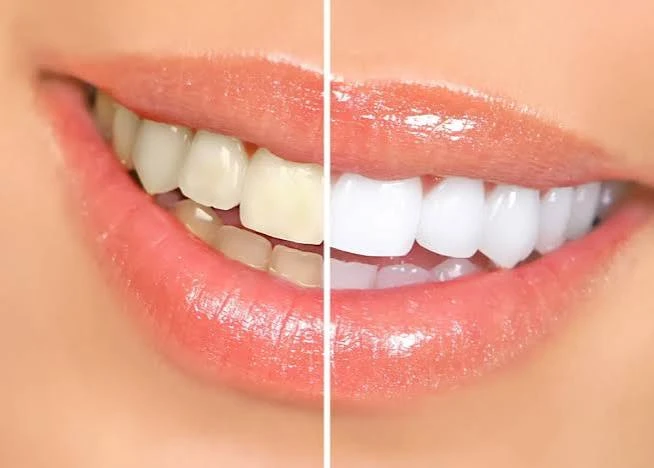
A noticeably brighter smile tends to make people feel more confident, and it shows up in research too. According to a survey by the American Academy of Cosmetic Dentistry, 99.7% of adults believe a smile is an important social asset. That kind of consensus explains why teeth whitening has become one of the most requested cosmetic dental treatments in the country. But with dozens of products lining pharmacy shelves and professional options available at dental offices, knowing which approach will actually deliver results takes some sorting out.
This article breaks down how whitening works at a biological level, compares the most common treatment categories, addresses realistic expectations, and helps readers understand when professional care makes a meaningful difference over a drugstore kit.
How Tooth Discoloration Actually Happens
Before evaluating whitening methods, it helps to understand why teeth darken in the first place. Discoloration falls into two categories: extrinsic and intrinsic. Extrinsic stains sit on the outer surface of the enamel and are typically caused by food, drink, and tobacco. Coffee, red wine, tea, and berries are common culprits. These stains respond well to most whitening treatments because they are relatively superficial.
Intrinsic discoloration originates inside the tooth, within the dentin layer beneath the enamel. It can result from certain antibiotics taken during childhood, excessive fluoride exposure during tooth development, aging, or trauma to a tooth. Intrinsic staining is considerably harder to treat and may not respond to conventional whitening agents at all. Understanding which type of staining is present is the first step toward choosing a method that will actually help.
The Science Behind Whitening Agents
Most whitening products rely on one of two active ingredients: hydrogen peroxide or carbamide peroxide. Carbamide peroxide breaks down into hydrogen peroxide when it contacts the teeth, so both ultimately work through the same mechanism. The peroxide penetrates the enamel and reaches the dentin, where it oxidizes the pigmented molecules responsible for discoloration. This chemical reaction changes the structure of those molecules, making them reflect light differently and appear lighter.
Concentration matters quite a bit. Over-the-counter products typically contain between 3% and 10% hydrogen peroxide. Professional in-office treatments can reach concentrations of 25% to 40%. Higher concentrations produce faster, more dramatic results, but they also require more careful application to avoid irritating soft tissue. This is one reason that professional supervision changes the outcome of whitening, not just the speed.
Comparing Whitening Methods Side by Side
The whitening market is broad, and the options range from rinses that barely make contact with teeth to chairside treatments that deliver concentrated results in under an hour. Here is a straightforward comparison of the most widely used approaches.
| Method | Active Ingredient Strength | Typical Duration | Results Longevity | Best For |
| Whitening toothpaste | Very low (abrasives + trace peroxide) | Ongoing daily use | Maintains; minimal lift | Surface stain maintenance |
| Whitening strips | 3% to 10% hydrogen peroxide | 30 min/day, 10 to 14 days | 3 to 6 months | Mild to moderate extrinsic stains |
| Whitening trays (OTC) | 10% carbamide peroxide | 1 to 2 hours/day, 2 to 4 weeks | 4 to 6 months | Moderate staining, budget-conscious |
| Custom take-home trays | 10% to 22% carbamide peroxide | 1 to 2 hours/day, 1 to 2 weeks | 6 to 12 months | Personalized fit, gradual whitening |
| In-office professional | 25% to 40% hydrogen peroxide | 60 to 90 minutes, single visit | 1 to 3 years with maintenance | Fast results, significant discoloration |
The table above illustrates that the biggest practical differences between methods come down to how much active ingredient reaches the tooth surface, how long it stays there, and how well the application device fits the individual’s teeth. Ill-fitting trays allow the whitening gel to contact gum tissue, which can cause sensitivity and reduce the amount of agent actually working on the enamel.
Setting Realistic Expectations Before You Start
Whitening is not a universal fix, and being honest about that upfront saves a lot of disappointment. Several factors influence how much change a person can realistically expect.
- Natural tooth color: Teeth with a yellowish base typically respond better to whitening than teeth with a grayish or bluish undertone.
- Stain type: Extrinsic stains whiten more predictably than intrinsic discoloration.
- Existing dental work: Crowns, veneers, and tooth-colored fillings do not respond to peroxide whitening. They will stay the same shade while surrounding natural teeth lighten.
- Age: Enamel thins over time, making the darker dentin beneath more visible. Older teeth may need more treatment cycles to achieve the same result as younger ones.
- Consistency: Any whitening method requires consistent application throughout the recommended treatment period to see meaningful results.
- Post-treatment habits: Returning to heavy coffee, tea, or tobacco use after whitening accelerates restaining significantly.
Dentists often use shade guides like the Vita Classical scale to document starting points and track progress. Whitening treatments typically produce a shift of two to seven shades under professional conditions, with results varying widely by individual. Anyone expecting to go from deeply stained teeth to a brilliant white in one session should adjust expectations before investing in any product.
Sensitivity During and After Whitening
Tooth sensitivity is the most common side effect of whitening treatments, and it stops many people from completing their recommended regimen. Understanding why it happens makes it easier to manage.
Peroxide temporarily increases the permeability of enamel, which allows fluid movement within the dentinal tubules. That fluid movement stimulates nerve fibers, producing a brief, sharp sensation. The sensitivity is usually transient, meaning it resolves within 24 to 48 hours after a whitening session. It is not a sign of damage in most cases, but it is uncomfortable.
Strategies That Help Reduce Sensitivity
- Use a toothpaste formulated with potassium nitrate or stannous fluoride for two weeks before starting treatment. These compounds help desensitize nerve endings in advance.
- Reduce the frequency of whitening sessions. Instead of daily use, apply the treatment every other day to give teeth time to recover.
- Shorten each application session slightly, even if this extends the overall treatment period.
- Avoid very hot or very cold food and drinks for at least 24 hours after each whitening session.
- Ask a dentist about applying a fluoride varnish after in-office treatments to help remineralize enamel and reduce post-procedure sensitivity.
People with existing sensitivity issues, gum recession, cracked teeth, or untreated cavities should always consult a dentist before attempting any whitening treatment. Using peroxide products on compromised teeth or gums can make underlying problems significantly worse.
When Professional Whitening Is Worth the Investment
Professional whitening costs more than over-the-counter options, sometimes considerably more. But the higher price reflects a different kind of process. A dental professional evaluates the patient’s teeth and gums before treatment begins, identifies any issues that need to be addressed first, and applies the whitening agent in a controlled way that protects soft tissue. Custom trays made from dental impressions also ensure that the active ingredient stays where it belongs, maximizing contact time with the enamel rather than pooling against the gums.
Practices like Newport Smile Studio that offer professional cosmetic treatments are also equipped to discuss whether whitening is actually the right solution for a given patient, or whether something like bonding or veneers would produce a better outcome for more complex cases.
The return on investment for professional whitening is strongest for people who have significant extrinsic staining, who want results before an important event, or who have tried over-the-counter products without satisfying outcomes. For maintenance after a professional treatment, custom take-home trays provided by the dentist tend to extend results more effectively than generic store-bought alternatives.
Keeping Your Results Longer
Whitening is not permanent, regardless of which method is used. The same lifestyle factors that caused staining in the first place will gradually restain teeth after treatment. That said, simple habits can extend results considerably.
- Rinse your mouth with water after consuming staining beverages like coffee, tea, or red wine.
- Use a straw when drinking dark-colored beverages to minimize contact with the front teeth.
- Brush twice daily and floss once daily to prevent surface buildup from accumulating.
- Schedule regular professional cleanings, which remove calculus and surface stains that home care cannot address.
- Touch up with a mild whitening product every few months to offset gradual restaining, particularly if you consume staining foods or beverages regularly.
Teeth whitening is one of the more accessible cosmetic dental treatments available, and for the right candidate with realistic expectations, the results can be genuinely meaningful. The key is matching the method to the actual type and degree of staining, paying attention to sensitivity signals, and maintaining results with consistent oral hygiene habits afterward. A brighter smile is achievable for most people. The path to getting there just requires a little more thought than grabbing whatever is on sale at the pharmacy.