

Deciding to stop using alcohol or drugs is one of the most significant choices a person can make. But the hours and days that follow that decision can be physically and emotionally overwhelming, especially without the right information. Understanding what detox actually involves, what the body goes through, and why professional support matters can help someone prepare mentally, make safer choices, and set realistic expectations for what recovery looks like in its earliest stage.
What Detox Actually Is
Detoxification, commonly called detox, is the process by which the body clears itself of a substance it has become dependent on. When someone uses alcohol, opioids, benzodiazepines, or other drugs regularly over time, the brain and nervous system adapt to their presence. The body essentially starts treating the substance as part of normal functioning. When use stops suddenly, the system has to recalibrate, and that recalibration is what produces withdrawal symptoms.
Detox is not the same as addiction treatment. It is the first, medically necessary step before longer-term recovery work begins. Thinking of detox as a cure would be a mistake. It addresses the physical dependency, not the psychological patterns, trauma, or behaviors that often drive substance use. That said, completing detox safely is the foundation everything else is built on.
Why Withdrawal Can Be Dangerous
Not every withdrawal experience carries the same level of medical risk. Stimulant withdrawal, for example, is rarely life-threatening on its own, though it can involve intense psychological distress. Opioid withdrawal is extremely uncomfortable and can lead to dangerous dehydration, but it is generally not fatal in otherwise healthy adults. Alcohol and benzodiazepine withdrawal are a different story entirely.
Alcohol withdrawal can trigger a condition called delirium tremens, or DTs, in people with severe physical dependence. The National Institute on Alcohol Abuse and Alcoholism notes that delirium tremens carries a mortality rate of up to 37 percent when left untreated. Symptoms can include seizures, extreme confusion, hallucinations, and dangerous changes in heart rate and blood pressure. This is a medical emergency, not something to manage at home with willpower.
| Substance | Withdrawal Onset | Peak Symptoms | Serious Risks |
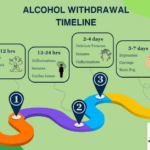
| Alcohol | 6 to 24 hours after last drink | 24 to 72 hours | Seizures, delirium tremens, cardiovascular instability |
| Benzodiazepines | 12 to 24 hours (short-acting); up to 7 days (long-acting) | 2 to 4 days | Seizures, psychosis, rebound anxiety |
| Opioids | 8 to 24 hours after last dose | 36 to 72 hours | Severe dehydration, cardiovascular stress |
| Stimulants (cocaine, meth) | Within hours of last use | 1 to 3 days | Depression, suicidal ideation, psychosis |
| Cannabis | 24 to 72 hours | 2 to 6 days | Irritability, sleep disruption, anxiety (rarely medically serious) |
What Medically Supervised Detox Looks Like
Medical detox programs provide clinical oversight during the withdrawal period. A treatment team monitors vital signs, adjusts medications as needed, and responds quickly if symptoms escalate. The goal is to keep the person as safe and comfortable as possible while the body clears the substance.
Medications Used in Detox
Several FDA-approved medications are commonly used during detox, depending on the substance involved. For alcohol withdrawal, benzodiazepines like diazepam or lorazepam are often prescribed to prevent seizures. Medications such as buprenorphine or methadone help ease opioid withdrawal by targeting the same receptors in the brain. Clonidine, a blood pressure medication, is sometimes used to manage symptoms like anxiety, sweating, and agitation across multiple substance types.
- Buprenorphine (Suboxone): reduces opioid withdrawal symptoms and cravings
- Methadone: longer-acting opioid used in supervised tapering
- Diazepam or lorazepam: benzodiazepines that reduce seizure risk in alcohol withdrawal
- Naltrexone: blocks opioid receptors and can reduce alcohol cravings post-detox
- Clonidine: manages elevated heart rate, sweating, and anxiety
- Antiemetics: control nausea and vomiting common during withdrawal
Inpatient vs. Outpatient Detox
Inpatient detox means staying at a facility around the clock, with continuous monitoring and immediate access to medical staff. This level of care is strongly recommended for people withdrawing from alcohol or benzodiazepines, those with a history of seizures, people who have tried to detox before and experienced complications, and anyone without a stable and supportive home environment. Outpatient detox, where someone attends daily clinic appointments but sleeps at home, may be appropriate for lower-risk situations, but it requires honest assessment of the person’s specific circumstances and support system.
The Emotional Side of Early Detox
Physical symptoms get most of the attention, but the emotional and psychological experience of early detox deserves equal consideration. Anxiety, mood swings, insomnia, and profound sadness are common. Some people feel a wave of clarity and hope in the first days, followed by a crash when the body chemistry shifts again. Others feel flat, disconnected, or irritable even after the physical symptoms have resolved.
This emotional turbulence is partly neurological. Substances like alcohol and opioids flood the brain’s reward system with dopamine over time, and when they are removed, the brain has to rebuild its own ability to produce and regulate mood chemicals. That process takes time, sometimes weeks, sometimes months. It is sometimes called post-acute withdrawal syndrome, or PAWS, and it is one of the main reasons why detox alone is not sufficient for lasting recovery.
Choosing the Right Detox Setting
Geography, insurance coverage, the specific substance involved, and prior treatment history all factor into which setting makes the most sense for a given person. Someone withdrawing from alcohol with a history of seizures needs a different level of care than someone clearing cannabis from their system for the first time. A physician or licensed addiction counselor can help assess which level of care is clinically appropriate.
For people in the greater Nashville area, options do exist at multiple levels of care. As one example, the Detox Center of Nashville – Drug & Alcohol Rehab in Brentwood offers medically supervised detox for alcohol and various substances, which can be a starting point for people trying to understand what local clinical options look like.
When evaluating any detox program, a few practical questions are worth asking. Is medical staff available around the clock? Does the facility conduct an intake assessment that looks at both physical and mental health history? Is there a clear plan for what happens after detox ends? A good detox program does not just manage withdrawal. It also sets up the next phase of care, whether that is residential treatment, intensive outpatient programming, or another evidence-based approach.
- Confirm that licensed medical professionals oversee the withdrawal process
- Ask whether medications are used and which ones are available on-site
- Find out if mental health screenings are part of the intake process
- Clarify what happens at the end of the detox stay and how transition to further care is handled
- Check insurance coverage and whether the facility offers a financial assessment before admission
Life After Detox
Completing detox is a real achievement, and it should be recognized as one. But it is also just the beginning of a longer process. Research from the National Institute on Drug Abuse consistently shows that addiction is a chronic condition, and like other chronic conditions, it responds best to sustained, ongoing treatment rather than a single episode of care. People who transition directly from detox into a structured treatment program have significantly better long-term outcomes than those who stop after detox alone.
The work that comes after detox addresses the reasons substance use took hold in the first place. Cognitive behavioral therapy helps people identify thought patterns that trigger cravings. Motivational interviewing builds internal drive to stay committed to change. Group support, whether through formal therapy or peer communities like 12-step programs, provides accountability and connection. Many people also benefit from medication-assisted treatment that continues beyond the detox phase, particularly for opioid use disorder.
Detox opens a door. It clears the physical fog, stabilizes the body, and gives a person the physiological baseline needed to actually engage with therapy and recovery work. What someone does with that window matters enormously. With the right support structure in place, detox can genuinely be the first step toward a different kind of life.