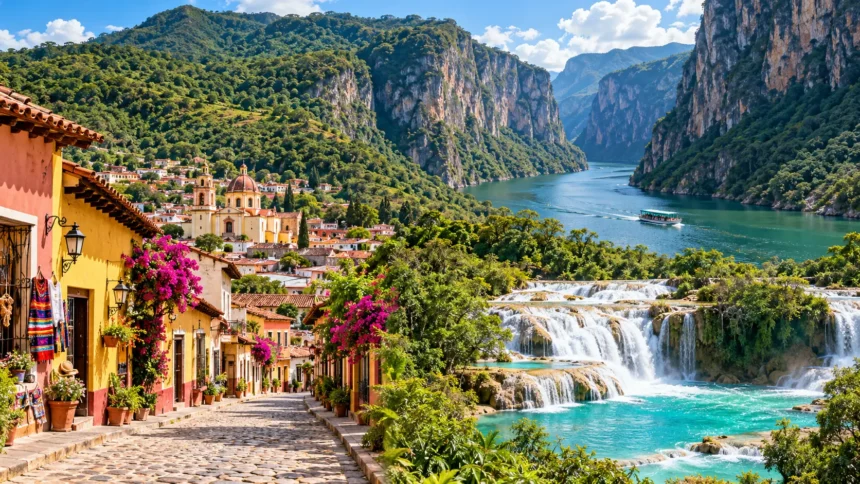
Chiapas is one of Mexico’s most fascinating travel destinations, offering an extraordinary combination of lush rainforests, ancient Mayan ruins, spectacular waterfalls, and colorful colonial towns. Located in southern Mexico near the Guatemalan border, this beautiful state is known for its natural landscapes and rich Indigenous heritage. Whether you enjoy outdoor adventures, cultural experiences, or historical exploration, Chiapas offers memorable attractions that showcase a different side of Mexico.
Planning a trip to Chiapas involves discovering its most beautiful destinations while understanding local transportation, seasonal weather, and travel conditions. From the dramatic Sumidero Canyon to the archaeological wonders of Palenque, the region is filled with places worth exploring. This Chiapas travel guide covers the best things to do and see, popular attractions, local experiences, and practical tips for planning a rewarding journey.
Why Should You Visit Chiapas, Mexico?
Chiapas attracts travelers because of its remarkable natural diversity, fascinating history, and distinctive cultural traditions. The region features tropical forests, impressive mountain ranges, rivers, waterfalls, and archaeological sites that reveal the achievements of ancient civilizations. Visitors can discover extraordinary landscapes while exploring communities where Indigenous languages, traditional crafts, and regional customs remain important parts of everyday life.
Unlike Mexico’s most famous beach destinations, Chiapas offers experiences centered on nature, history, and cultural exploration. Travelers can wander through colonial streets, visit ancient Mayan temples, and admire dramatic waterfalls surrounded by dense greenery. Popular destinations such as San Cristóbal de las Casas, Palenque, and Sumidero Canyon provide different experiences that make the region particularly appealing to curious visitors.
Chiapas is also known for its traditional markets, regional cuisine, coffee production, and locally made textiles. Exploring these cultural elements allows visitors to appreciate the state’s diversity beyond its famous tourist attractions. However, travel conditions vary across the region, so checking current safety advisories and arranging reliable transportation are essential parts of planning any visit.
Explore San Cristóbal de las Casas
San Cristóbal de las Casas is one of the most charming destinations in Chiapas, known for its colorful buildings, cobblestone streets, and mountain surroundings. The city sits at a relatively high elevation, giving it a cooler climate than the tropical lowlands. Its historic architecture, traditional markets, and lively public squares create an inviting atmosphere for travelers interested in culture and sightseeing.
Visitors can explore the historic center, admire San Cristóbal Cathedral, and stroll along pedestrian streets filled with cafés and local shops. The Santo Domingo area is particularly popular for its architecture and nearby handicraft market. Museums, cultural spaces, and locally owned restaurants provide additional opportunities to learn about the region’s history and artistic traditions.
San Cristóbal also serves as a base for exploring nearby attractions and communities, although excursions should be planned according to current local conditions. Travelers can enjoy the city’s traditional food, regional coffee, and colorful streets without rushing between destinations. Bringing a light jacket is advisable because evenings can become cool, especially during the winter months.
Discover the Spectacular Sumidero Canyon
Sumidero Canyon is one of the most impressive natural attractions in Chiapas, featuring towering limestone cliffs and the winding Grijalva River. Located near Tuxtla Gutiérrez and Chiapa de Corzo, the canyon is protected within a national park. Its dramatic geological formations and surrounding forests create breathtaking scenery that attracts nature lovers, photographers, and visitors interested in Mexico’s landscapes.
One of the most popular ways to experience Sumidero Canyon is through an authorized boat excursion along the river. These tours provide views of towering rock walls, natural formations, and vegetation growing along the canyon. Depending on environmental conditions, visitors may also observe birds, crocodiles, and other wildlife from a safe distance while traveling through the protected area.
Several viewpoints along the canyon rim offer another perspective of the surrounding mountains and river below. Travelers should check which viewpoints and boat services are operating before planning their visit. Weather conditions can affect visibility and access, making flexibility important when exploring this remarkable destination and its surrounding national park.
Visit the Ancient Mayan Ruins of Palenque
Palenque is one of Mexico’s most important archaeological destinations and a remarkable example of ancient Mayan civilization. Located in the tropical lowlands of northern Chiapas, the site features impressive temples, ceremonial structures, and detailed stone carvings. The surrounding rainforest adds to its atmosphere, creating a memorable experience for visitors interested in archaeology, history, and ancient architecture.
The Temple of the Inscriptions is among Palenque’s most recognized structures because of its historical significance and association with the ruler Pakal. Other important features include the Palace complex and several temples displaying architectural achievements of the Classic Maya period. Exploring the archaeological zone provides insight into the political, religious, and artistic traditions that shaped this ancient city.
Visitors should allow sufficient time to explore the site because the tropical climate can become hot and humid. Comfortable footwear, drinking water, and suitable sun protection can make the experience more enjoyable. Access to particular structures may be restricted for conservation reasons, so travelers should follow designated paths and respect instructions provided by archaeological site staff.
Admire the Beautiful Agua Azul Waterfalls
Agua Azul Waterfalls are among Chiapas’s most recognizable natural attractions, famous for their cascading pools and striking blue-green water. Located in a tropical landscape between Palenque and the central highlands, the waterfalls form a series of scenic cascades. The surrounding vegetation and flowing water create beautiful opportunities for sightseeing, photography, and enjoying the region’s natural environment.
The water’s famous turquoise appearance is influenced by dissolved minerals, sunlight, and seasonal conditions. During periods of heavy rainfall, increased sediment can change the water’s color and reduce visibility. Visitors expecting bright blue pools should understand that natural conditions vary, particularly during the rainy season when river levels may also become stronger.
Walking paths and designated viewpoints allow travelers to admire different sections of the waterfalls while exploring the surrounding area. Swimming permissions and safety conditions can change, so visitors should follow local instructions and avoid dangerous currents. Because some access routes pass through areas affected by security concerns, checking current travel guidance is essential before arranging an excursion.
Experience Misol-Há Waterfall Near Palenque
Misol-Há is another impressive waterfall in Chiapas, located within a lush tropical setting near the town of Palenque. Water drops from a high rock formation into a large natural pool surrounded by dense green vegetation. The combination of flowing water, forest scenery, and dramatic cliffs makes this destination especially attractive for travelers interested in nature photography.
Visitors can admire the waterfall from designated viewing areas and explore suitable walking routes around the attraction. Depending on current conditions and local access rules, certain paths may provide perspectives from near the rock formation. Surfaces can become slippery from spray and humidity, making sturdy footwear and careful movement particularly important.
Misol-Há is often associated with itineraries exploring Palenque and nearby natural attractions. However, road conditions and regional security concerns should be considered before organizing transportation between destinations. Travelers who can visit safely will appreciate the waterfall’s peaceful atmosphere and distinctive tropical scenery, particularly when surrounding vegetation appears lush after seasonal rainfall.
Discover Chiapa de Corzo and Its Historic Charm
Chiapa de Corzo is a historic town near Tuxtla Gutiérrez, known for its traditional architecture, cultural heritage, and proximity to Sumidero Canyon. Its central square features the distinctive La Pila fountain, a beautiful brick structure with an unusual architectural design. Colorful buildings and local markets give the town a welcoming atmosphere that reflects the traditions of southern Mexico.
Visitors can explore the historic center, discover traditional handicrafts, and sample regional food at local restaurants. The town is particularly associated with lacquerware, woodwork, and celebrations that showcase its cultural identity. Walking around the central square provides opportunities to appreciate historic buildings and observe everyday community life beyond the larger cities of Chiapas.
Chiapa de Corzo is also a common starting point for organized excursions into Sumidero Canyon. Travelers can combine cultural sightseeing with natural attractions when transportation and operating conditions permit. Spending time in the town before or after a canyon excursion offers a balanced experience that includes both the scenic landscapes and historical traditions of the region.
Explore Indigenous Culture and Traditional Communities
Chiapas is home to diverse Indigenous communities, including Tsotsil, Tseltal, and other Maya peoples whose languages and traditions remain central to regional identity. Traditional weaving, agricultural practices, religious customs, and community celebrations contribute to the state’s cultural richness. Learning about these traditions can help travelers better understand the history and contemporary life of southern Mexico.
Communities around the Chiapas highlands are known for distinctive textiles, handcrafted products, and cultural traditions. Some organized cultural experiences introduce visitors to local weaving techniques and traditional craftsmanship. Travelers should choose community-approved activities, respect local rules, and ask permission before photographing residents, ceremonies, or culturally significant places.
Respectful tourism involves recognizing that Indigenous communities are living societies rather than tourist attractions. Purchasing authentic handmade products directly from artisans can support local economic activity while encouraging meaningful cultural exchange. Visitors should approach unfamiliar customs with curiosity, avoid intrusive behavior, and follow the guidance of community representatives or knowledgeable local guides.
Visit Lagunas de Montebello National Park
Lagunas de Montebello National Park is known for its beautiful lakes, forested landscapes, and remarkable variations in water color. Located in southeastern Chiapas near the Guatemalan border, the protected area features lakes surrounded by pine forests and other vegetation. Its natural scenery makes it an appealing destination for photography, birdwatching, and peaceful outdoor exploration.
Different lakes display shades of blue, green, and turquoise depending on their depth, mineral composition, and lighting conditions. Visitors can admire panoramic views from designated areas and enjoy the surrounding natural environment. Some locations may offer authorized recreational activities, although availability and safety depend on weather conditions, local regulations, and individual site management.
Travelers should confirm current accessibility and security guidance before planning a journey to this border-region attraction. Certain surrounding routes may be unsuitable for tourism because of regional safety concerns. When access is appropriate, staying on established trails and respecting conservation rules helps protect the lakes, surrounding forests, and wildlife habitats.
Experience the Natural Beauty of El Chiflón Waterfalls
El Chiflón is a beautiful waterfall destination in Chiapas, recognized for its dramatic cascades and surrounding green landscapes. The area contains several waterfalls connected by walking routes and viewpoints. One of its most famous features is Velo de Novia, an impressive waterfall whose flowing water creates a curtain-like appearance against the surrounding rock formations.
Visitors can follow established paths to admire different waterfalls and enjoy views of the river and forest vegetation. Some sections involve stairs, uneven surfaces, and uphill walking, so comfortable footwear is important. Weather conditions can affect trail accessibility, particularly during periods of heavy rainfall when water levels and slippery surfaces may create additional hazards.
El Chiflón offers opportunities for nature appreciation and scenic photography without requiring participation in adventurous activities. Travelers should remain within designated visitor areas and follow instructions from local site operators. Before organizing a trip, it is important to verify transportation arrangements, operating conditions, and regional travel advisories affecting access to the surrounding communities.
Discover Traditional Chiapas Food and Local Cuisine
Chiapas has a distinctive culinary identity influenced by Indigenous traditions, regional agriculture, and Mexican cooking practices. Local dishes often feature corn, beans, vegetables, herbs, and carefully prepared meats. Exploring traditional food provides travelers with another way to understand the region’s history, cultural diversity, and everyday customs through flavors that differ from other parts of Mexico.
Tamales are especially popular and appear in several regional variations using different fillings and preparation techniques. Other traditional foods include sopa de pan, a local bread-based soup, and cochito horneado, a seasoned roasted pork dish. Visitors can also enjoy regional cheeses, fresh tortillas, tropical fruits, and foods prepared with locally grown ingredients.
Chiapas is famous for its coffee production, particularly in mountainous growing regions where altitude and climate influence cultivation. Local cafés often serve coffee sourced from regional producers, allowing visitors to appreciate this important agricultural tradition. Choosing reputable restaurants and practicing ordinary food hygiene precautions helps travelers enjoy the local cuisine comfortably during their journey.
Best Time to Visit Chiapas for Good Weather
The best time to visit Chiapas depends on which regions and attractions you want to explore. The relatively dry months from November through April are often more convenient for sightseeing and outdoor activities. During this period, travelers may encounter fewer weather-related interruptions, although temperatures and rainfall still vary significantly across the mountains and tropical lowlands.
San Cristóbal de las Casas generally experiences cooler conditions because of its higher elevation, particularly during mornings and evenings. Palenque and other lower-elevation destinations tend to be warmer and more humid throughout much of the year. Packing clothing suitable for different temperatures can make traveling between these contrasting environments more comfortable.
The rainy season commonly extends from approximately May through October, bringing greener landscapes and increased waterfall flow. However, heavy rainfall may create muddy trails, transportation delays, and changes in river conditions. Travelers should monitor local forecasts and confirm attraction accessibility before departure rather than assuming every destination will remain open throughout the year.
How to Get to Chiapas and Travel Around
Chiapas can be reached through Tuxtla Gutiérrez International Airport, which provides an important entry point for visitors arriving by air. Depending on current airline schedules, travelers may connect through major Mexican cities. Long-distance buses also serve several destinations within the state, although journey times can be considerable because of mountainous terrain and winding roads.
Traveling between Chiapas attractions requires careful planning because many popular destinations are separated by substantial distances. Authorized transport operators and reputable organized excursions may provide convenient options for specific routes. However, visitors should not assume that every commonly advertised tourist route is safe or operating normally, particularly in areas experiencing security problems.
Current government travel advisories identify serious security risks in parts of Chiapas, including restrictions affecting sections of the southeastern region. The United States advises travelers to reconsider visiting the state because of crime and terrorism-related concerns. Travelers should review advice from their own government, avoid unnecessary night travel, and postpone routes where reliable security information is unavailable.
Where to Stay in Chiapas for Sightseeing
Choosing accommodation in Chiapas depends on your intended destinations, transportation plans, and preferred travel experiences. San Cristóbal de las Casas offers numerous hotels, guesthouses, and boutique accommodations near its historic center. Visitors interested in museums, local restaurants, and walkable streets may find central accommodation convenient for exploring the city without frequent transportation arrangements.
Tuxtla Gutiérrez is another accommodation option, particularly for travelers arriving through the region’s main airport or planning visits to nearby attractions. Hotels range from practical city properties to more comfortable establishments with additional facilities. Staying near reliable transportation connections can simplify arrival and departure arrangements while providing convenient access to everyday services.
Palenque traditionally serves as a base for visiting its archaeological zone and nearby natural attractions, subject to current safety conditions. Accommodation options include town hotels and nature-oriented properties in surrounding areas. Before booking, travelers should evaluate recent security guidance, transport availability, cancellation policies, and whether their preferred accommodation is located along an appropriate travel route.
Essential Travel Tips for Visiting Chiapas
Travelers should prepare for changing weather conditions and substantial differences between highland and tropical environments. Comfortable walking shoes, suitable clothing, sunscreen, and drinking water are useful for most sightseeing activities. Carrying important documents securely and keeping offline copies of accommodation details can also help when mobile service is limited in certain rural areas.
Learning basic Spanish expressions can improve everyday communication, particularly outside major tourist centers where English may be less widely spoken. Travelers should respect local customs and follow community regulations when visiting cultural attractions. Purchasing from local artisans and choosing responsible tourism providers can contribute positively to communities while supporting more respectful and meaningful travel experiences.
Safety planning deserves special attention because Chiapas has experienced road disruptions, criminal activity, and security concerns affecting particular regions. Avoid isolated routes, use established transportation services, and check current official travel restrictions before each major journey. When conditions are uncertain, changing plans or postponing an excursion is more appropriate than taking unnecessary risks to reach a particular attraction.
How to Plan a Chiapas Travel Itinerary
A practical Chiapas itinerary should prioritize a manageable number of destinations rather than attempting to cover the entire state. Visitors may begin with cultural sightseeing in San Cristóbal de las Casas and explore its historic streets, markets, and museums. Allowing time to enjoy local restaurants and regional traditions can create a more rewarding experience than scheduling several distant excursions together.
Another portion of the journey may focus on Tuxtla Gutiérrez, Chiapa de Corzo, and Sumidero Canyon if local transportation and security conditions permit. These destinations provide a combination of historic architecture, natural landscapes, and cultural attractions. Grouping geographically nearby activities can reduce unnecessary transportation time and make the trip easier to manage.
Palenque and the surrounding waterfalls are often featured in longer Chiapas itineraries, but travel between regions requires particular attention to current safety guidance. Visitors should verify whether the proposed routes are appropriate before making reservations. A flexible itinerary that allows alternative activities and avoids unsafe areas is preferable to following a fixed route regardless of changing conditions.
Conclusion
Chiapas is a remarkable region of Mexico, offering an impressive combination of ancient Mayan history, scenic waterfalls, dramatic landscapes, and vibrant cultural traditions. Attractions such as Sumidero Canyon, San Cristóbal de las Casas, Palenque, and Chiapa de Corzo demonstrate the diversity of experiences available. Its natural environments and historic communities make Chiapas an interesting destination for travelers who enjoy culture and nature.
Planning a successful visit requires understanding seasonal weather, transportation arrangements, cultural expectations, and the region’s current security situation. Not all well-known attractions or travel routes are appropriate to visit under existing conditions. Reviewing government travel advice, selecting reliable services, and remaining flexible with sightseeing plans can help travelers make more informed decisions.
Whether your interests include ancient architecture, traditional cuisine, photography, or cultural exploration, Chiapas has much to discover. Responsible travel means respecting Indigenous communities, protecting natural environments, and avoiding unnecessary safety risks. With thoughtful preparation and realistic expectations, visitors can better appreciate the history, landscapes, and cultural heritage that make this region distinctive.
Frequently Asked Questions (FAQs)
1. What Is Chiapas, Mexico, Famous For?
Chiapas is famous for ancient Mayan ruins, spectacular waterfalls, Sumidero Canyon, traditional Indigenous communities, and beautiful mountain landscapes. San Cristóbal de las Casas and Palenque are among its most recognized cultural destinations.
2. How Many Days Do You Need to Explore Chiapas?
Five to seven days can provide time to explore selected destinations, depending on transportation and current safety conditions. Longer visits may be needed for geographically distant attractions, but itineraries should prioritize safe routes.
3. What Is the Best Month to Visit Chiapas?
November through April generally offers more favorable conditions for outdoor sightseeing because rainfall is often lower. Highland areas can remain cool, while tropical destinations such as Palenque experience warmer temperatures.
4. Is Chiapas Safe for Tourists?
Security conditions vary across Chiapas, and current U.S. government advice recommends reconsidering travel to the state. Visitors should check updated official advisories, avoid restricted areas, and use reliable transportation services.
5. What Are the Best Things to Do in Chiapas?
Popular attractions include exploring San Cristóbal de las Casas, visiting Sumidero Canyon, discovering Palenque’s Mayan ruins, and admiring regional waterfalls. Actual travel plans should depend on current safety and accessibility conditions.