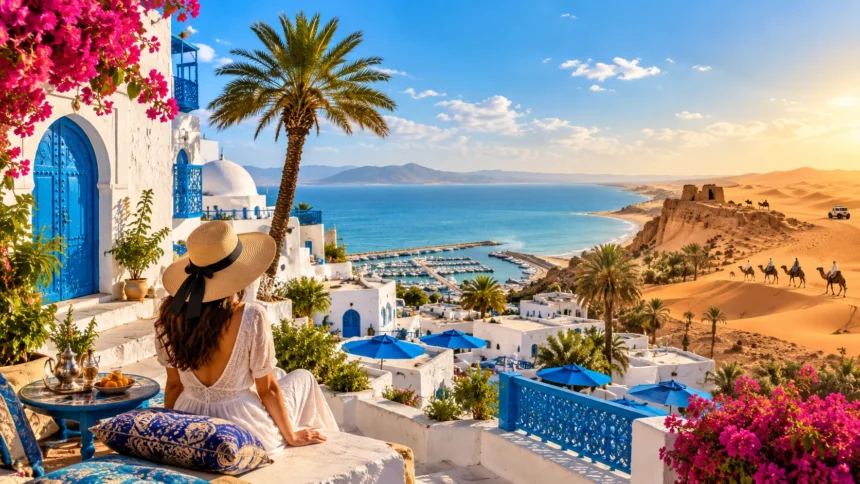
Tunisia is one of North Africa’s most fascinating travel destinations, offering beautiful Mediterranean beaches, ancient historical landmarks, colorful markets, and breathtaking Sahara Desert landscapes. From the lively streets of Tunis to the peaceful island of Djerba, the country provides unforgettable experiences for beach lovers, history enthusiasts, and adventure seekers. However, choosing the right travel season can make a significant difference in your overall vacation experience.
Understanding the best time to visit Tunisia is important because weather conditions vary between coastal cities, inland regions, and desert destinations. Some months are perfect for swimming and relaxing on sandy beaches, while others provide comfortable temperatures for sightseeing and desert excursions. This guide explores Tunisia’s weather, seasons, regional attractions, and practical travel tips to help you plan a memorable holiday.
When Is the Best Time to Visit Tunisia?
The best time to visit Tunisia is generally during spring, from March to May, and autumn, from September to November. These seasons offer a comfortable balance of pleasant temperatures, sunshine, and enjoyable sightseeing conditions. Travelers can explore historic cities, traditional markets, and outdoor attractions without experiencing the intense heat associated with the peak summer months.
April, May, September, and October are particularly attractive for visitors who want to combine cultural exploration with outdoor activities. Spring brings colorful landscapes and comfortable daytime temperatures, while early autumn offers warm coastal conditions and pleasant evenings. However, travelers hoping to swim should remember that Mediterranean sea temperatures are generally warmer in late summer and early autumn.
The ideal travel period ultimately depends on your preferred activities and destinations. Beach lovers may prefer June through September, while Sahara Desert adventures are more comfortable between October and April. Visitors interested in ancient ruins, traditional villages, and city sightseeing often find spring and autumn especially rewarding because temperatures are easier to manage.
Understanding Tunisia’s Climate and Weather Patterns
Tunisia experiences several climate patterns because its landscape stretches from the Mediterranean coastline to the Sahara Desert. Northern coastal regions generally have a Mediterranean climate, characterized by hot, relatively dry summers and cooler, wetter winters. Southern Tunisia experiences more arid conditions, with extremely hot summers, limited rainfall, and considerable temperature differences between day and night.
Popular coastal destinations such as Tunis, Hammamet, Sousse, and Monastir often benefit from refreshing sea breezes during warmer months. Summer daytime temperatures commonly reach around 30°C to 35°C, although heatwaves can push them higher. Winter temperatures are generally milder than in much of northern Europe, but rainfall and cooler evenings remain possible.
The desert regions surrounding Tozeur and Douz experience much more extreme temperatures than the Mediterranean coast. During summer, temperatures can exceed 40°C, making extended outdoor excursions uncomfortable and potentially dangerous. Winter days can be pleasant for desert exploration, although nighttime temperatures may drop sharply, requiring travelers to pack warm clothing.
Spring in Tunisia: March to May for Comfortable Sightseeing
Spring is one of the most beautiful seasons to visit Tunisia because temperatures gradually rise while much of the countryside remains green. March can still bring occasional rain and cooler evenings, particularly in northern regions. By April and May, many destinations experience warmer conditions that are suitable for exploring historic attractions, walking through markets, and enjoying outdoor cafés.
Popular spring activities include visiting the ancient ruins of Carthage, exploring the Medina of Tunis, and discovering traditional villages. The Roman amphitheater of El Jem is particularly enjoyable when temperatures are moderate. Travelers can spend more time exploring archaeological sites without the physical discomfort that often accompanies sightseeing under the intense summer sun.
Spring also offers opportunities to explore inland landscapes and selected desert destinations before the hottest months arrive. However, May temperatures can increase rapidly in southern Tunisia, making early morning excursions preferable. Although coastal weather becomes increasingly pleasant, seawater may still feel cool for travelers expecting the warmer swimming conditions of late summer.
Summer in Tunisia: June to August for Beach Holidays
Summer is the most popular season for travelers seeking sunshine, swimming, and traditional Mediterranean beach vacations. June, July, and August generally bring long sunny days and warm temperatures along Tunisia’s coastline. Destinations such as Hammamet, Sousse, Monastir, and Djerba become particularly attractive for visitors interested in seaside resorts, coastal restaurants, and water activities.
July and August usually experience the highest temperatures and some of the busiest tourism conditions. Popular beaches and resort areas may become crowded, especially during school holidays and major travel periods. Visitors should consider booking accommodations and transportation early while planning outdoor activities around the cooler parts of the day.
Although summer is excellent for coastal relaxation, it is less suitable for extensive sightseeing in desert regions. Extreme heat around Tozeur, Douz, and other southern destinations can make daytime exploration difficult and unsafe. Travelers combining beach holidays with cultural attractions should schedule sightseeing during mornings or evenings and maintain adequate hydration throughout their trip.
Autumn in Tunisia: September to November for Warm Weather
Autumn is an excellent time to visit Tunisia because temperatures gradually become more comfortable while the Mediterranean Sea retains warmth from summer. September often provides beautiful beach weather, making it particularly appealing for swimming and coastal relaxation. Visitors can enjoy sunny afternoons without necessarily experiencing the strongest heat associated with July and August.
October offers a pleasant combination of beach opportunities, historical sightseeing, and outdoor excursions across much of the country. Coastal destinations such as Djerba and Hammamet can remain enjoyable, although occasional rainfall becomes more likely as autumn progresses. Travelers interested in combining several different activities may find October one of the most convenient months for a Tunisian vacation.
By November, northern coastal areas generally experience cooler temperatures and an increased possibility of rainy weather. However, many historic cities and southern destinations remain attractive for exploration. Autumn is particularly suitable for travelers seeking fewer peak-season crowds, comfortable walking conditions, and opportunities to experience Tunisia beyond its most popular seaside resorts.
Winter in Tunisia: December to February for Cultural Travel
Winter offers a different perspective on Tunisia, particularly for travelers interested in history, architecture, and local culture. December through February generally brings cooler temperatures and increased rainfall to northern coastal regions. Although beach swimming may be less appealing, many destinations remain suitable for sightseeing, especially during clear and sunny afternoons.
Tunis, Sidi Bou Said, and other northern attractions can be explored comfortably when visitors prepare for occasional rain and chilly evenings. Museums, archaeological sites, traditional markets, and local restaurants provide excellent opportunities to experience the country’s cultural heritage. Winter can also offer a quieter atmosphere at attractions that become crowded during the summer tourism season.
Southern Tunisia is especially appealing during winter because daytime temperatures are generally more manageable for desert adventures. Travelers can explore palm-filled oases, remarkable desert landscapes, and traditional settlements without extreme summer heat. However, desert nights can become surprisingly cold, so warm layers are essential when planning overnight excursions or outdoor activities after sunset.
Best Time to Visit Hammamet, Sousse, and Tunisia’s Beaches
Hammamet is one of Tunisia’s most popular beach destinations, known for sandy coastlines, comfortable resorts, and a picturesque historic medina. The best time to visit Hammamet for swimming and sunbathing is generally from June through September. During these months, warm weather and increasingly pleasant sea temperatures make traditional beach activities particularly enjoyable.
Sousse and Monastir also offer attractive Mediterranean coastlines alongside cultural landmarks and historic town centers. Travelers can enjoy seaside restaurants, coastal walks, and visits to traditional markets while staying near popular resort areas. September is particularly appealing for combining beach relaxation with sightseeing because the sea remains warm while peak summer heat gradually declines.
Visitors who prefer quieter beaches may consider late May, early June, or October, depending on their tolerance for cooler swimming conditions. Accommodation prices and visitor numbers can differ significantly between resort areas and travel dates. Choosing a shoulder-season holiday can provide an enjoyable balance of relaxation, comfortable sightseeing, and potentially better accommodation availability.
Best Time to Visit Djerba for Sunshine and Relaxation
Djerba is one of Tunisia’s most attractive island destinations, famous for beautiful beaches, whitewashed buildings, traditional markets, and a relaxed Mediterranean atmosphere. Located off the southeastern coast, the island generally enjoys warmer and drier conditions than many northern destinations. This makes Djerba a popular choice for travelers seeking sunshine during different parts of the year.
The best time to visit Djerba for a beach holiday is typically from June through October, when coastal temperatures are warm. September and October are especially attractive because the sea retains summer warmth while daytime conditions gradually become more comfortable. Visitors can enjoy beach activities, traditional villages, local markets, and seaside dining during these months.
Djerba also offers enjoyable cultural experiences outside the main swimming season, particularly during spring and winter. Travelers can explore Houmt Souk, discover traditional architecture, and visit local craft workshops without the busiest summer crowds. Although winter temperatures are relatively mild, the sea may feel too cold for comfortable swimming, especially for visitors accustomed to tropical destinations.
Best Time to Explore Tunis, Carthage, and Historic Attractions
Tunis is an excellent destination for travelers interested in North African history, beautiful architecture, and traditional cultural experiences. The best months for exploring the capital are generally April, May, September, and October. These periods provide comfortable conditions for walking through the historic medina, visiting museums, and discovering the city’s lively markets.
Nearby Carthage offers remarkable archaeological remains connected to ancient civilizations, while Sidi Bou Said is famous for its blue-and-white buildings and Mediterranean views. Spring and autumn make outdoor exploration particularly enjoyable because visitors can spend longer periods walking between attractions. Comfortable footwear and sun protection remain useful even when temperatures are relatively mild.
Other historical attractions, including El Jem and Dougga, are especially appealing during spring and autumn when the weather supports extended outdoor visits. Summer sightseeing remains possible, but midday heat can be uncomfortable around exposed archaeological sites. Winter provides another suitable option when travelers are prepared for occasional rain, cooler temperatures, and shorter daylight hours.
Best Time to Visit the Sahara Desert in Tunisia
The Sahara Desert is one of Tunisia’s most extraordinary natural attractions, offering golden dunes, traditional settlements, and spectacular landscapes. The best time to visit the Tunisian Sahara is generally between October and April, when daytime conditions are more suitable for exploration. These months allow travelers to experience desert scenery without the extreme heat of peak summer.
Popular desert destinations include Douz, Tozeur, Nefta, and the remarkable salt flats of Chott el Jerid. Visitors can explore palm oases, dramatic landscapes, and traditional desert communities through organized excursions. October, November, March, and April are particularly appealing for outdoor adventures, although temperature variations and occasional strong winds remain possible.
Winter is also suitable for many desert activities, but nighttime temperatures can become very cold in exposed areas. Travelers should arrange excursions with experienced operators, carry sufficient drinking water, and prepare for changing weather conditions. Desert routes may also be affected by access restrictions or local safety considerations, making advance planning especially important.
Essential Tunisia Travel Tips for Every Season
Planning a successful Tunisia vacation begins with choosing destinations that match your preferred weather and available travel time. A seven-to-ten-day itinerary can provide opportunities to explore coastal cities, historical landmarks, and selected inland attractions. Travelers who want extensive Sahara experiences may benefit from additional days because distances and transportation requirements can make quick trips tiring.
Travel expenses vary according to the season, accommodation type, and destination. Popular beach resorts may charge higher rates during summer, while selected spring, autumn, and winter dates can provide better value. Comparing hotel prices, organizing transportation in advance, and avoiding the busiest holiday periods may help travelers manage their vacation budgets more effectively.
Packing should reflect the season and the regions you plan to explore. Lightweight clothing, sunscreen, comfortable walking shoes, and drinking water are important during warmer months, while jackets are useful for winter evenings and desert excursions. Visitors should also check passport requirements, visa conditions, local customs, and current travel advisories before departure.
Conclusion
The best time to visit Tunisia depends on whether you prefer Mediterranean beaches, historic attractions, traditional cities, or Sahara Desert adventures. Spring and autumn generally offer the most comfortable conditions for exploring different regions of the country. April, May, September, and October are especially appealing for travelers seeking pleasant temperatures and a variety of outdoor experiences.
Beach lovers may prefer June through September, when the Mediterranean coastline experiences warm weather and favorable swimming conditions. Djerba can remain attractive into October, while southern desert destinations are generally more comfortable between October and April. Winter provides additional opportunities for cultural sightseeing and quieter travel experiences, although rain and cooler evenings should be considered.
Whether you are planning a relaxing coastal holiday, a historical adventure, or a journey through the Sahara, understanding Tunisia’s seasonal weather will help you make better decisions. Consider your travel budget, preferred activities, and destination-specific climate before booking. With thoughtful preparation, Tunisia can offer unforgettable cultural experiences, beautiful landscapes, and memorable vacations throughout the year.
Frequently Asked Questions (FAQs)
1. What Is the Best Month to Visit Tunisia?
April, May, September, and October are among the best months to visit Tunisia. They generally provide comfortable sightseeing weather, while September and early October are particularly appealing for warm Mediterranean swimming conditions.
2. What Is the Hottest Month in Tunisia?
July and August are typically the hottest months in Tunisia. Coastal temperatures are often around 30°C to 35°C, while southern desert areas can exceed 40°C during extreme summer heat.
3. Is Tunisia Worth Visiting in Winter?
Yes, Tunisia is worth visiting in winter for cultural sightseeing, historical attractions, and Sahara Desert experiences. Coastal weather can be cooler and wetter, but southern destinations often offer comfortable daytime conditions.
4. When Is the Best Time to Visit Tunisia for Beaches?
June through September is generally the best period for beach holidays in Tunisia. September offers particularly enjoyable conditions because the Mediterranean Sea remains warm while peak summer temperatures begin to decrease.
5. What Is the Cheapest Time to Visit Tunisia?
Selected periods between November and March may offer lower hotel prices in popular coastal resorts. However, costs depend on holidays, accommodation availability, transportation, and the destinations included in your itinerary.