Why Ho Chi Minh City Is Worth Visiting
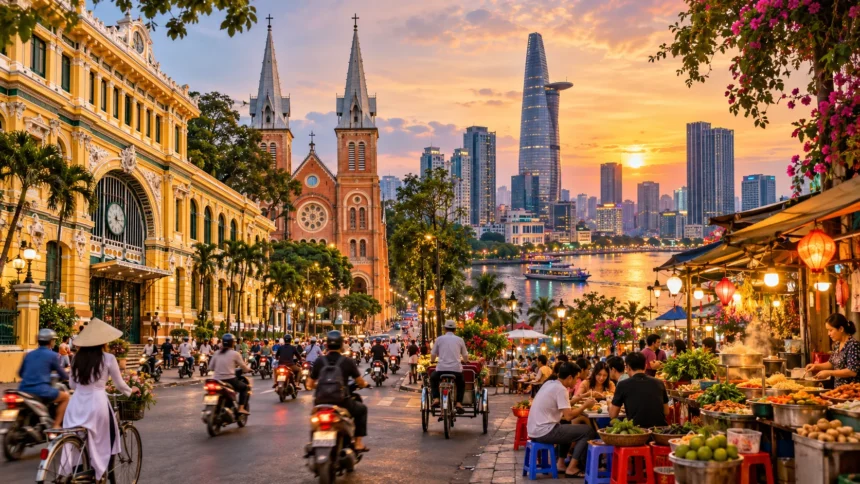
Ho Chi Minh City is one of Vietnam’s most energetic destinations, bringing together historic architecture, modern skyscrapers, traditional markets, street food, and busy neighborhoods. Formerly known as Saigon, the city offers a fascinating mixture of old and new. Travelers can spend the morning exploring historic landmarks and finish the evening surrounded by rooftop views, cafés, restaurants, and lively streets.
One of the biggest advantages of visiting Ho Chi Minh City is the variety of experiences available within a relatively compact urban area. Museums, markets, religious sites, shopping streets, and famous architectural landmarks are scattered throughout the central districts. The city also works well as a base for day trips to places such as the Cu Chi Tunnels and the Mekong Delta.
Food is another major reason to visit. Local streets are filled with small restaurants, food stalls, cafés, bakeries, and markets serving Vietnamese specialties throughout the day. Whether you enjoy history, architecture, nightlife, coffee culture, shopping, or street food, Ho Chi Minh City offers enough variety to build a memorable multi-day itinerary.
Explore the Historic Heart of District 1
District 1 is a natural starting point for first-time visitors because many famous Ho Chi Minh City attractions are located nearby. Walking through the central area introduces you to colonial-era architecture, modern buildings, public squares, and busy commercial streets. Dong Khoi Street is particularly useful for connecting several notable landmarks while experiencing the atmosphere of central Saigon.
The Saigon Central Post Office is one of the most recognizable buildings in the city center. Its grand interior, decorative details, and historic architecture make it an easy stop during a walking tour. Nearby, visitors can also see the Notre-Dame Cathedral Basilica area, another important part of the architectural landscape around central Ho Chi Minh City.
Continue toward the Saigon Opera House and surrounding streets to see how old architecture exists alongside luxury hotels, shopping areas, cafés, and modern towers. You do not need a strict route to enjoy this neighborhood. Allowing time to walk slowly, explore side streets, and stop for coffee often creates a more enjoyable introduction to the city.
Visit the War Remnants Museum
The War Remnants Museum is one of the most significant historical attractions in Ho Chi Minh City. Its exhibitions examine the effects and experiences of the Vietnam War through photographs, military equipment, documents, and other materials. The subject matter can be emotional and graphic, so visitors should expect a serious museum experience rather than a light sightseeing stop.
Allow enough time to move through the exhibitions without rushing. Reading the displays carefully provides greater context for events that shaped Vietnam and the wider region. The outdoor area also contains military aircraft and other equipment, while the indoor exhibitions focus more closely on photographs, historical accounts, and the human consequences of conflict.
Visiting the museum early in your trip can provide useful historical background before exploring other sites around southern Vietnam. It may also make places such as the Cu Chi Tunnels easier to understand later. Travelers interested in history should consider giving the museum a substantial part of the morning or afternoon rather than treating it as a quick photo stop.
Shop and Eat at Ben Thanh Market
Ben Thanh Market is one of the best-known markets in central Ho Chi Minh City and provides a lively introduction to local shopping culture. Inside, visitors can find clothing, souvenirs, coffee, dried foods, handicrafts, ingredients, and many other products. Food stalls also make the market an interesting place to sample Vietnamese flavors while taking a break from sightseeing.
Shopping here can feel busy, especially during popular travel periods. Take your time comparing products instead of buying at the first stall you see. Bargaining may occur in some parts of the market, so keep interactions friendly and decide in advance what you are comfortable paying rather than treating the process as a competition.
Even travelers who are not interested in shopping can enjoy walking through the aisles and observing the activity. Markets reveal another side of city life that polished shopping centers cannot easily reproduce. Visiting earlier in the day may feel more relaxed, while the surrounding central area becomes increasingly lively as the afternoon and evening progress.
Walk Along Nguyen Hue and Enjoy the Evening
Nguyen Hue Walking Street is one of the easiest places to experience modern Ho Chi Minh City after sunset. The broad pedestrian-friendly area is surrounded by restaurants, commercial buildings, cafés, and architectural landmarks. As evening approaches, locals and visitors gather around the street, creating a social atmosphere that contrasts with the fast-moving traffic found elsewhere in the city.
Walking along Nguyen Hue also gives you access to nearby areas around the Saigon River and central District 1. You can combine the walk with dinner, dessert, or a visit to a rooftop venue. The illuminated buildings and lively sidewalks make this part of the city especially enjoyable for travelers who like urban photography and people-watching.
You do not need to plan a complicated evening itinerary. Start around the central walking street, explore nearby side roads, and follow whatever looks interesting. A relaxed evening of walking, eating, and stopping for Vietnamese coffee can often be more memorable than trying to squeeze several formal attractions into the same night.
Discover Cholon and Ho Chi Minh City’s Chinatown
Cholon offers a different atmosphere from the polished center of District 1. This historic Chinese-influenced area contains busy commercial streets, traditional shops, markets, religious sites, and neighborhoods that reflect generations of cultural exchange. Walking through Cholon gives visitors an opportunity to experience another layer of Ho Chi Minh City’s identity beyond its best-known central landmarks.
Binh Tay Market is one of the major places to explore in the area. The market has long served as an important commercial center, and its surroundings remain active with trading and local businesses. Nearby, travelers can visit religious sites such as Thien Hau Pagoda, known for its traditional atmosphere and connection with the area’s Chinese community.
Plan enough time to wander rather than treating Cholon as a single attraction. The streets, food vendors, shops, temples, and daily activity are part of the experience. Dressing respectfully when entering religious spaces and observing local customs quietly will help you enjoy the area without disrupting people who visit these places for worship.
Taste Ho Chi Minh City Street Food
Eating local food is one of the essential things to do in Ho Chi Minh City. The city is famous for casual street-side dining, where small tables and stools appear outside restaurants and food stalls throughout different neighborhoods. Popular choices include bánh mì, bánh xèo, cơm tấm, noodle dishes, fresh rolls, grilled meats, and numerous regional specialties.
Instead of trying only famous dishes, pay attention to places that seem popular with local diners. Small restaurants often specialize in one or two dishes and prepare them repeatedly throughout the day. Joining a guided food tour can also be useful for first-time visitors who want help understanding ingredients, ordering, and exploring neighborhoods beyond major tourist streets.
Food experiences are often more enjoyable when you spread them across your trip rather than trying everything at once. Have bánh mì for breakfast one morning, try broken rice for lunch, and explore noodles or grilled dishes in the evening. This slower approach gives you more opportunities to discover flavors while experiencing different parts of the city.
Experience Vietnam’s Famous Coffee Culture
Coffee is deeply connected with everyday life in Ho Chi Minh City, and cafés appear almost everywhere. You will find everything from tiny sidewalk coffee stands to creative specialty cafés hidden inside older buildings. Sitting with a Vietnamese coffee provides a welcome break from the city’s heat, noise, traffic, and busy sightseeing schedule.
Traditional Vietnamese coffee is often prepared using a small metal filter known as a phin. Depending on your preference, you can try strong black coffee, coffee with condensed milk, or iced versions that are especially refreshing during warm afternoons. Modern cafés also experiment with creative drinks, local ingredients, and contemporary presentation.
Instead of searching only for famous cafés, allow yourself to discover places while walking. Some of the most enjoyable stops may be small neighborhood businesses without elaborate décor. Spending thirty minutes over coffee while watching city life pass outside can become a memorable part of the trip and offers a slower contrast to museums, markets, and sightseeing.
Explore the Cu Chi Tunnels
The Cu Chi Tunnels are one of the most popular day trips from Ho Chi Minh City. Located outside the central urban area, the extensive underground network is connected with wartime history and offers visitors a chance to learn how tunnels were used for movement, shelter, communication, storage, and other purposes during periods of conflict.
Visitors can explore selected sections and learn about underground living conditions, defensive systems, and the challenges faced by people using the tunnels. Some passages are narrow and enclosed, so travelers who dislike confined spaces should consider whether entering them feels comfortable. You can still learn a great deal from above-ground exhibits and guided explanations without completing every underground section.
Most travelers visit Cu Chi through an organized half-day or full-day excursion. Combining transportation with a knowledgeable guide makes the experience easier because the historical context is an important part of understanding the site. Wear comfortable clothing and footwear, particularly if you expect to enter tunnels or walk through outdoor areas.
Enjoy the Saigon River
The Saigon River adds another dimension to the city and provides a refreshing contrast to busy roads and dense neighborhoods. Walking around waterfront areas allows visitors to see modern towers, ferries, boats, and changing city views. Evening is particularly appealing because temperatures can feel more comfortable and the skyline begins lighting up across the water.
River cruises are another way to experience Ho Chi Minh City from a different perspective. Depending on your preference, options can range from short sightseeing trips to evening dining cruises. The main attraction is not necessarily reaching a specific destination but seeing the city’s urban landscape from the water while escaping road traffic for a while.
You can also combine a waterfront walk with Nguyen Hue and nearby central attractions. This creates an easy evening itinerary without requiring long transportation between stops. Watching boats move along the river while the skyline changes after sunset can provide a peaceful ending to an otherwise busy day of sightseeing.
Experience Ho Chi Minh City After Dark
Ho Chi Minh City changes noticeably after sunset as restaurants fill, street vendors become busier, and entertainment areas come alive. Travelers can choose between casual street-food evenings, rooftop lounges, live music, shopping, cafés, or simply walking through illuminated neighborhoods. The variety makes it easy to design an evening that fits your budget and preferred atmosphere.
Rooftop venues are popular because they provide wide views across the city’s modern skyline. You do not need to spend every evening at high-end locations, though. Some of the best nighttime experiences come from exploring street-level neighborhoods, eating at small restaurants, and watching the flow of scooters and pedestrians from a café.
Night markets and busy entertainment streets can become crowded, so keep valuables secure and stay aware of your surroundings. Ride-hailing services or registered taxis are useful when returning to accommodation late. Planning transportation before heading out makes it easier to enjoy the nightlife without worrying about navigating unfamiliar streets afterward.
Take a Day Trip to the Mekong Delta
The Mekong Delta is another popular excursion from Ho Chi Minh City and offers a dramatic change from the urban environment. The region is shaped by rivers, canals, agriculture, villages, and communities whose daily lives are closely connected with waterways. A day trip provides a brief introduction, while an overnight stay allows travelers to experience the region at a slower pace.
Typical excursions may include boat rides, local food, rural scenery, orchards, or visits to small communities. Experiences vary considerably between tours, so choose an itinerary based on what genuinely interests you rather than selecting the longest list of activities. Smaller groups can sometimes provide a calmer experience than large tours moving rapidly between scheduled stops.
If you have limited time in Vietnam, a day trip can still show you how different the surrounding region feels compared with Ho Chi Minh City. However, travelers with extra days should consider staying overnight in the delta. Slowing down gives you more time to appreciate the waterways, countryside, local meals, and morning atmosphere.
Know the Best Time to Visit Ho Chi Minh City
Ho Chi Minh City remains warm for most of the year, so travelers should prepare for tropical conditions regardless of the month. The rainy period generally extends through much of May to November, while December and January tend to bring somewhat cooler conditions. Short, intense rain showers can occur during the wetter months without necessarily ruining an entire day.
Light, breathable clothing is useful throughout the year, along with comfortable footwear for long days of walking. During wetter months, carrying a compact umbrella or lightweight rain layer can make sudden showers easier to manage. Sun protection and regular water breaks are also important because heat and humidity can feel stronger when exploring busy urban areas.
The best travel period ultimately depends on your priorities. Drier weather may make sightseeing easier, while rainy-season travel can still be enjoyable with a flexible schedule. Rather than planning every hour outdoors, mix museums, markets, cafés, and indoor attractions with walking tours so weather changes do not significantly disrupt your day.
Get Around Ho Chi Minh City More Easily
Traffic is one of the first things many visitors notice in Ho Chi Minh City. Scooters, cars, buses, pedestrians, and bicycles share busy roads, making some intersections initially feel overwhelming. Walking works well within central neighborhoods, but longer distances are usually easier with taxis, ride-hailing services, public transport, or organized transportation.
When crossing busy roads, move carefully and predictably rather than making sudden changes in direction. Use pedestrian crossings where possible and observe how local pedestrians navigate traffic. Central District 1 is relatively convenient for exploring on foot because several major attractions are located within reasonable walking distance of one another.
Choose accommodation based partly on what you want to see. Staying centrally can reduce transportation time if most of your itinerary focuses on District 1 attractions, food, and nightlife. Travelers planning several excursions outside the city should also consider pickup arrangements and travel times when organizing each day to avoid unnecessary journeys across busy areas.
Conclusion
Ho Chi Minh City offers a memorable combination of Vietnamese history, modern urban energy, architecture, food, markets, nightlife, and local culture. Famous attractions such as the War Remnants Museum, Ben Thanh Market, central District 1 landmarks, and Cholon provide plenty to explore without leaving the city.
Adding experiences such as Vietnamese coffee, street food, Saigon River views, the Cu Chi Tunnels, and a Mekong Delta excursion creates a more complete itinerary. Rather than rushing between attractions, leave enough time to walk through neighborhoods, sit in cafés, try unfamiliar dishes, and observe everyday city life.
Three to five days can give many first-time visitors a satisfying introduction, although extra time makes day trips easier to include. Keep your itinerary flexible, prepare for warm weather and busy traffic, and balance major landmarks with spontaneous discoveries. Ho Chi Minh City is often most rewarding when you experience its energy rather than simply checking attractions off a list.
FAQs
How many days do you need in Ho Chi Minh City?
Three to five days works well for many first-time visitors. This provides time for central attractions, food experiences, markets, and potentially a day trip to the Cu Chi Tunnels or Mekong Delta.
What should you not miss in Ho Chi Minh City?
Popular highlights include the War Remnants Museum, Ben Thanh Market, District 1 landmarks, Nguyen Hue, Cholon, local street food, and Vietnamese coffee. A Cu Chi Tunnels excursion is also worth considering.
Is Ho Chi Minh City easy to explore on foot?
Central areas such as District 1 are reasonably walkable for sightseeing. However, the city is large and traffic can be intense, so taxis, ride-hailing services, or public transportation are useful for longer distances.
What food should I try in Ho Chi Minh City?
Try bánh mì, cơm tấm, bánh xèo, fresh rolls, noodle dishes, grilled meats, and Vietnamese coffee. Exploring local restaurants and street-food stalls is one of the best ways to experience the city.
What is the best area to stay in Ho Chi Minh City?
District 1 is convenient for first-time visitors because many major landmarks, restaurants, cafés, shopping areas, and nightlife options are nearby. Other districts can suit travelers seeking a quieter or more local atmosphere.