

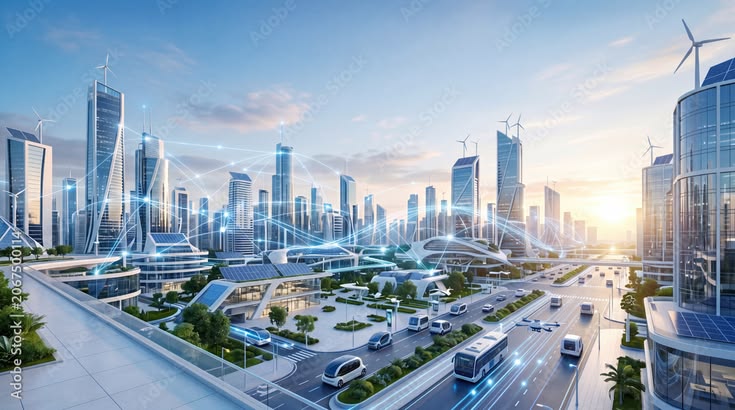
Imagine a world where your city anticipates your needs. Traffic lights adjust in real-time to ease congestion, waste bins alert services when they’re full, and energy consumption is optimized for sustainability. This isn’t the stuff of science fiction; it’s the promise of smart cities and connected communities. As urbanization accelerates, cities are transforming into hubs of innovation powered by technology.
The future holds incredible potential for how we live, work, and interact with our surroundings. From enhancing public safety to improving quality of life, smart city initiatives aim to create environments that are efficient and responsive. But what does this transformation look like? Let’s explore the fascinating landscape ahead as we delve deeper into the world of smart cities and connected communities.
What are Smart Cities and Connected Communities?
Smart cities are urban areas that leverage digital technology to enhance performance and well-being. They integrate data, IoT devices, and communication networks to create a seamless ecosystem.
Connected communities take this concept further by fostering relationships among residents through shared platforms. This engagement empowers citizens to contribute ideas and solutions for local issues.
These environments focus on sustainability, efficiency, and livability. Public services become more responsive as real-time data informs decision-making processes.
Transportation systems evolve with smart traffic management, while energy use is optimized through intelligent grids. The integration of these technologies transforms city landscapes into vibrant hubs of innovation.
The goal is to improve quality of life for all inhabitants while addressing challenges like climate change and urbanization pressures.
Benefits and Advantages of Smart Cities
Smart cities harness technology to enhance urban living. They integrate systems that improve efficiency in transportation, energy use, and waste management. This leads to reduced congestion and lower carbon emissions.
By utilizing data-driven insights, these cities can respond more effectively to residents’ needs. Public services become more efficient, saving both time and resources.
Safety is another significant advantage. With smart surveillance and emergency response technologies, communities can respond quickly to incidents, enhancing security for all citizens.
Moreover, smart cities promote inclusivity through accessible digital platforms. Residents can engage with city planning initiatives or report issues easily.
Economic growth often flourishes in such environments too. By attracting tech companies and fostering innovation hubs, they create jobs while improving the overall quality of life for their inhabitants. The interconnectedness fosters a sense of community that benefits everyone involved.
Current Examples and Success Stories
Cities around the world are embracing smart technology with remarkable outcomes. Singapore stands out for its impressive traffic management system, which uses sensors and data analytics to reduce congestion. This has not only improved commute times but also enhanced air quality.
Barcelona is another shining example, utilizing IoT to manage waste more efficiently. Smart bins communicate their fill levels, allowing for optimized collection routes and reduced operational costs.
In the United States, San Diego has installed connected streetlights that save energy while providing real-time data on public safety and urban conditions.
Amsterdam showcases a holistic approach by integrating renewable energy sources into its grid alongside citizen engagement through mobile apps aimed at sustainability initiatives.
These success stories illustrate the potential of smart city technologies to transform urban living in meaningful ways, helping communities become both more efficient and responsive to residents’ needs.
Challenges to Implementing Smart City Technology
Implementing smart city technology comes with a range of challenges. One significant issue is funding. Cities often struggle to secure the necessary investment for large-scale projects, especially in times of budget constraints.
Another challenge is interoperability. Different technologies must work seamlessly together, yet many systems are designed in isolation. This creates compatibility issues that can hinder overall effectiveness.
Moreover, there’s the matter of data privacy and security. With increased connectivity comes greater vulnerability to cyber threats. Residents may feel apprehensive about how their personal information is being used or stored.
Additionally, public engagement plays a crucial role in successful implementation. If residents do not understand or trust these technologies, they may resist adoption altogether.
Navigating regulatory frameworks can be complex and time-consuming as cities strive to keep pace with rapid technological advancements while ensuring compliance with existing laws.
The Role of Data in Smart Cities
Data serves as the backbone of smart cities, driving innovation and efficiency. With sensors and IoT devices scattered throughout urban landscapes, vast amounts of information are collected in real-time.
This data helps city planners make informed decisions about traffic management, energy consumption, and public safety. For instance, traffic patterns can be analyzed to optimize signal timings and reduce congestion.
Moreover, citizens benefit from personalized services tailored to their needs. Whether it’s finding the quickest route home or accessing real-time updates on public transport schedules, data enhances daily living.
However, it’s crucial to address privacy concerns associated with data collection. Balancing transparency with security will foster trust among residents while maximizing the potential benefits of a connected community.
As technology evolves, so does the capability for cities to harness this wealth of information effectively. The future promises even smarter solutions driven by advanced analytics and machine learning.
Potential Risks and Concerns
As smart cities evolve, concerns about data privacy and security intensify. The vast amounts of information collected from sensors and devices can become targets for cyber attacks. Once breached, personal data can lead to identity theft or misuse.
There’s also the issue of surveillance. Many citizens may feel uncomfortable with constant monitoring through cameras and tracking technologies. This raises ethical questions about consent and individual rights.
Equity is another concern. Not all communities have equal access to technology or the benefits it offers. There’s a risk that marginalized populations could be left behind in this digital transformation.
Reliance on technology poses risks during outages or system failures. A city dependent on interconnected systems may face significant disruptions if those systems encounter problems or are compromised unexpectedly.
Future Innovations and Developments in Smart Cities
The future of smart cities is brimming with promise. Innovations in artificial intelligence and machine learning are set to transform urban landscapes. Imagine traffic lights that adapt in real-time to minimize congestion, enhancing commuter experiences.
Sustainable energy solutions will play a pivotal role too. Solar panels integrated into buildings can power entire neighborhoods while reducing carbon footprints. Additionally, advancements in energy storage technology will ensure these systems remain efficient.
Smart infrastructure will also evolve dramatically. Sensors embedded within roads and bridges can monitor structural health, alerting authorities about maintenance needs before problems arise.
Public safety could reach new heights with enhanced surveillance technologies paired with data analytics. Predictive policing models may help allocate resources more effectively, improving community safety while respecting privacy concerns.
As we look ahead, the seamless integration of augmented reality in public spaces promises to enrich citizen engagement and interaction with their environment.
Conclusion
Smart cities and connected communities are not just a trend; they represent the next evolution in urban living. As technology continues to advance, cities that embrace innovation stand to gain significantly from improved efficiency, sustainability, and quality of life for residents.
The benefits are clear. Enhanced transportation systems can reduce congestion while smart energy grids decrease waste and lower costs. Health services become more accessible through telemedicine initiatives, promoting well-being among citizens. Community engagement is bolstered by digital platforms that encourage participation and feedback.
Success stories like Barcelona’s smart lighting system or Singapore’s integrated transport solutions showcase what is possible when municipalities adopt these technologies. These examples highlight both the potential benefits and practical applications of smart city initiatives worldwide.
However, challenges remain on the road ahead. Issues such as data privacy concerns, technological disparities among communities, and funding limitations must be addressed for successful implementation. Engaging diverse stakeholders will be crucial in overcoming these hurdles.
Data plays an essential role in shaping smart city frameworks—driving decisions about infrastructure improvements or resource allocation based on real-time insights rather than guesswork. Yet this heavy reliance on data also raises concerns regarding surveillance practices and citizen consent.
While we navigate potential risks associated with digital dependencies—like cybersecurity threats—innovation remains robust within this sector. Emerging concepts like 5G connectivity promise faster networks enabling seamless integration across city services while artificial intelligence has the power to optimize everything from traffic flow management to emergency response strategies.
As we look towards future developments, collaboration between governments, businesses, technologists—and most importantly—the communities themselves will shape how effectively new ideas transform our urban landscapes into smarter places where people thrive together without losing their humanity along the way.