
Jaipur, the vibrant capital of Rajasthan, is one of India’s most fascinating travel destinations, famous for its magnificent royal palaces, historic forts, colorful markets, and rich cultural heritage. Popularly known as the Pink City, Jaipur attracts visitors with its beautiful architecture, traditional handicrafts, and unforgettable historical landmarks. Exploring the best things to do in Jaipur, India, offers an exciting journey through centuries of royal history and Rajasthani traditions.
Located in northwestern India, Jaipur forms an important part of the famous Golden Triangle tourist route connecting Delhi, Agra, and Jaipur. The city is home to extraordinary attractions, including Amber Fort, Hawa Mahal, City Palace, and Jantar Mantar. Beyond its historic monuments, travelers can enjoy authentic Rajasthani cuisine, explore lively shopping streets, and discover beautiful gardens.
This comprehensive Jaipur India travel guide covers the best places to visit, famous tourist attractions, cultural experiences, and practical travel tips. You will discover magnificent forts, traditional bazaars, architectural wonders, and interesting nearby destinations. Whether you are planning a short city break or a longer Rajasthan adventure, Jaipur offers unforgettable experiences for travelers interested in India’s fascinating history and culture.
1. Explore the Magnificent Amber Fort
<entity>Amber Fort</entity>, also known as Amer Fort, is one of Jaipur’s most impressive historical attractions. Located approximately 11 kilometers from the city center, this magnificent fortress stands on a hill overlooking Maota Lake. Its remarkable combination of Rajput and Mughal architectural influences makes it an essential destination for travelers interested in Indian history.
The fort features beautiful courtyards, decorative gateways, royal chambers, and impressive architectural details. One of its most celebrated attractions is the Sheesh Mahal, or Palace of Mirrors, where intricate mirror decorations create spectacular visual effects. Visitors can also explore Diwan-e-Aam, Ganesh Pol, and other fascinating sections of this historic complex.
Amber Fort is particularly enjoyable during the cooler morning hours when sightseeing conditions are more comfortable. Travelers should allow sufficient time to appreciate its extensive architecture and surrounding views. Comfortable walking shoes are useful because the complex includes steps and uneven surfaces, while authorized guides can provide valuable historical explanations.
2. Visit Hawa Mahal, the Famous Palace of Winds
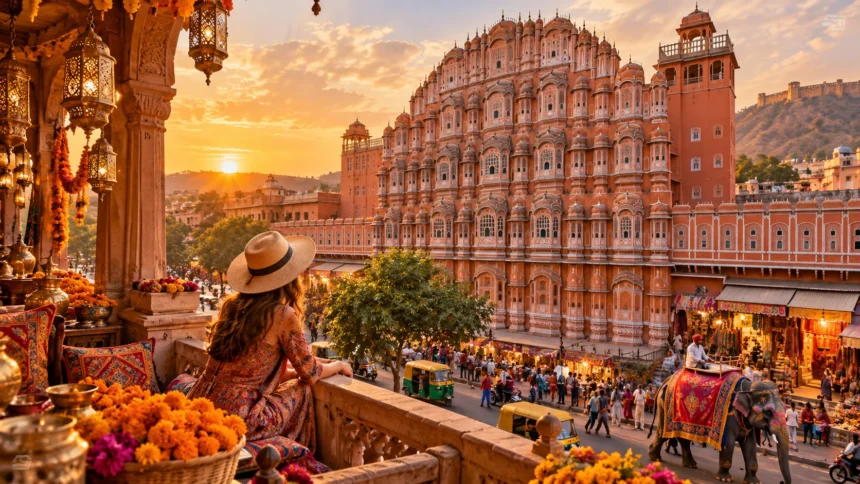
Hawa Mahal is one of Jaipur’s most recognizable landmarks, celebrated for its beautiful pink sandstone exterior and unusual honeycomb-shaped architecture. Constructed in 1799 under Maharaja Sawai Pratap Singh, the building features an impressive five-story facade. Its distinctive appearance makes it one of the most photographed historical attractions in Rajasthan.
The palace contains numerous small windows, known as jharokhas, designed to allow royal women to observe street activities while maintaining privacy according to the customs of the period. These windows also help circulate air through the building. The combination of architectural beauty and historical significance makes Hawa Mahal an important cultural landmark.
Visitors can admire the magnificent facade from the surrounding streets and explore accessible sections of the building. Morning light often creates particularly attractive photography conditions. Because Hawa Mahal stands near busy market areas, travelers can conveniently combine their visit with shopping, local food experiences, and exploration of Jaipur’s historic streets.
3. Discover the Royal Beauty of Jaipur City Palace
Jaipur City Palace is a magnificent historical complex located in the heart of the Pink City. Built during the eighteenth century and expanded over subsequent generations, it reflects the grandeur of Rajasthan’s royal heritage. Its architecture combines traditional Rajput elements with influences from Mughal and other artistic traditions.
Visitors can explore beautiful courtyards, decorative gateways, museum galleries, and historic royal buildings. The Mubarak Mahal and the famous Pritam Niwas Chowk are among the most recognizable areas of the complex. Beautifully decorated doors, traditional textiles, paintings, and historical objects provide insight into the lifestyle and cultural interests of Jaipur’s rulers.
City Palace is particularly appealing to travelers interested in architecture, photography, and Indian royal history. Different sections may have separate ticket arrangements, so visitors should confirm which experiences are included in their admission. Spending adequate time exploring the museums and courtyards can provide a deeper appreciation of Jaipur’s remarkable heritage.
4. Experience the Astronomical Wonders of Jantar Mantar
Jantar Mantar is one of Jaipur’s most fascinating attractions and a UNESCO World Heritage Site. Built under Maharaja Sawai Jai Singh II during the eighteenth century, this historic astronomical observatory contains remarkable instruments designed to measure time and observe celestial movements. Its unusual structures demonstrate the scientific knowledge and architectural ingenuity of the period.
The observatory features large stone and masonry instruments with distinctive geometric designs. Among its most recognizable features is the enormous Samrat Yantra, a sundial designed for precise astronomical measurements. Visitors can explore the complex while learning how historical astronomers studied celestial positions using carefully constructed observational tools.
Jantar Mantar is located near City Palace, making it convenient to explore both attractions during the same sightseeing itinerary. An experienced guide or clear interpretive information can help explain the purpose of the different instruments. Visiting during comfortable daylight conditions allows travelers to appreciate the remarkable architecture and historical scientific achievements.
5. Enjoy Spectacular Views From Nahargarh Fort
Nahargarh Fort stands on the Aravalli Hills overlooking Jaipur, offering some of the most beautiful panoramic views of the city. Originally constructed during the eighteenth century, the fortress formed part of Jaipur’s historical defensive system. Its elevated location and striking architecture make it a popular destination for sightseeing and photography.
The fort features historic rooms, courtyards, corridors, and architectural details associated with Rajasthan’s royal traditions. Visitors can admire the surrounding hills and appreciate the remarkable contrast between Jaipur’s urban landscape and the natural terrain. The panoramic viewpoints are particularly attractive during clear weather when the city stretches across the surrounding plains.
Late afternoon is often an enjoyable time to visit Nahargarh Fort because temperatures may be more comfortable and the changing light creates beautiful scenery. Travelers should arrange reliable transportation because the fort is located above the main city. Checking closing times beforehand is important when planning a visit around sunset.
6. Explore Jaigarh Fort and Its Historic Architecture
Jaigarh Fort is another impressive landmark situated in the hills above Amber Fort. Built to protect the royal complex and surrounding region, it reflects Rajasthan’s military and architectural history. Its substantial walls, elevated position, and beautiful views make it an interesting destination for travelers exploring Jaipur’s historic fortifications.
One of the fort’s famous attractions is Jaivana, a large historic cannon associated with the region’s military heritage. Visitors can also discover courtyards, architectural features, and viewpoints overlooking surrounding landscapes. The fort provides an interesting perspective on the relationship between defensive structures and royal settlements during Jaipur’s historical development.
Jaigarh Fort can be combined with Amber Fort when planning a day focused on the city’s hilltop landmarks. However, visitors should allow enough time for transportation and sightseeing. Comfortable footwear, drinking water, and appropriate sun protection are particularly useful because many sections are exposed to outdoor weather conditions.
7. Admire Jal Mahal and Its Beautiful Lakeside Setting
Jal Mahal, commonly called the Water Palace, is one of Jaipur’s most picturesque architectural landmarks. Situated in the middle of Man Sagar Lake, this beautiful palace appears to float above the water. Its elegant sandstone architecture and surrounding hills create a memorable setting for photography and scenic sightseeing.
The palace dates from Rajasthan’s royal period and is associated with the rulers of Jaipur. Although its distinctive exterior attracts considerable attention, the building is not generally open for ordinary public sightseeing. Visitors typically appreciate Jal Mahal from designated viewpoints along the lakeside road rather than entering the palace itself.
The surrounding area is particularly attractive during early morning or late afternoon when sunlight creates beautiful reflections on the lake. Travelers can combine a brief stop here with visits to Amber Fort or other nearby landmarks. Following posted restrictions and avoiding unauthorized access helps protect this important historical site.
8. Discover Traditional Markets and Shopping in Jaipur
Jaipur is famous for its vibrant traditional markets, where visitors can discover colorful textiles, jewelry, handicrafts, decorative items, and regional products. The city’s historic bazaars reflect centuries of craftsmanship and commercial activity. Exploring these markets offers an enjoyable way to experience everyday local culture beyond the famous palaces and forts.
Johari Bazaar is particularly associated with jewelry and gemstones, while Bapu Bazaar is known for traditional clothing, footwear, and souvenirs. Tripolia Bazaar offers various handicrafts and decorative products. Visitors can also discover block-printed fabrics, pottery, and traditional artwork that reflect the distinctive artistic traditions of Rajasthan.
Shopping in Jaipur can be a memorable cultural experience when approached at a comfortable pace. Travelers should compare prices, examine products carefully, and choose reputable businesses when purchasing valuable items. Exploring the markets during less crowded hours can provide a more relaxed atmosphere and additional opportunities to appreciate historic shopping streets.
9. Experience Rajasthani Food and Cultural Traditions
Traditional Rajasthani cuisine is one of the highlights of visiting Jaipur, offering flavorful dishes influenced by the region’s climate, agricultural history, and cultural traditions. The city has numerous restaurants, casual eateries, and established food establishments where travelers can sample regional specialties. Exploring local cuisine adds an enjoyable dimension to sightseeing.
One of Rajasthan’s most famous dishes is dal baati churma, traditionally consisting of baked wheat dumplings, lentils, and a sweet preparation. Visitors can also discover gatte ki sabzi, kachori, and traditional sweets such as ghevar. Different establishments offer their own variations, reflecting the diversity of regional cooking methods.
Jaipur also hosts cultural performances, traditional music, and artistic experiences that celebrate Rajasthan’s heritage. Visitors interested in crafts may enjoy learning about blue pottery, block printing, and miniature painting. Choosing reputable cultural venues and local artisans can help support traditional skills while providing a deeper understanding of the region.
10. Visit Albert Hall Museum and Jaipur’s Beautiful Gardens
Albert Hall Museum is one of Jaipur’s most important cultural institutions, located within the attractive surroundings of Ram Niwas Garden. Completed during the nineteenth century, the building features an impressive Indo-Saracenic architectural design. Its decorative arches, domes, and elegant exterior make it an important attraction for visitors interested in history.
The museum contains collections associated with art, archaeology, textiles, sculpture, and historical craftsmanship. Visitors can discover objects representing different periods and artistic traditions. The building itself is also worth appreciating because its architectural details reflect the cultural influences present in colonial-era India.
After exploring the museum, visitors can enjoy the surrounding garden area or discover other nearby cultural attractions. This part of Jaipur offers a pleasant contrast to the crowded markets and hilltop forts. Including the museum in a sightseeing itinerary provides a more complete understanding of the city’s artistic and historical heritage.
11. Best Time to Visit Jaipur and Essential Travel Tips
The best time to visit Jaipur is generally between October and March, when temperatures are more comfortable for exploring forts, palaces, markets, and outdoor attractions. Winter days are often pleasant, although evenings can become cool. This season attracts substantial tourism, making advance accommodation planning useful during popular festivals and holidays.
April through June can bring intense heat, with daytime temperatures occasionally exceeding 40°C. The monsoon season, generally from July through September, brings rainfall and greener surroundings. Travelers visiting during these periods should adjust outdoor schedules, prepare for seasonal weather, and follow local guidance during heavy rain or extreme heat.
Jaipur is accessible through Jaipur International Airport, railway connections, and major roads linking it with other Indian cities. Local transportation includes taxis, auto-rickshaws, buses, and metro services on selected routes. Before traveling, visitors should confirm applicable visa requirements, arrange suitable accommodation, and create a manageable itinerary that groups nearby attractions together.
Conclusion
Jaipur is one of India’s most captivating destinations, offering a remarkable combination of royal architecture, historic forts, cultural landmarks, and vibrant traditional markets. From the magnificent Amber Fort to the iconic Hawa Mahal and beautiful City Palace, the Pink City provides unforgettable sightseeing opportunities. Its architectural heritage makes it an essential destination for travelers interested in Rajasthan’s history.
Exploring the best things to do in Jaipur becomes more rewarding when visitors combine famous monuments with cultural experiences and local cuisine. Traditional bazaars, museums, artistic workshops, and scenic viewpoints reveal different aspects of the city’s identity. Choosing comfortable travel dates and allowing sufficient time for each attraction can make the experience more enjoyable.
Whether you are visiting Jaipur as part of India’s Golden Triangle route or planning a dedicated Rajasthan vacation, thoughtful preparation helps create lasting memories. Discover beautiful palaces, explore historic streets, and appreciate the traditions that make this city distinctive. With its colorful architecture and extraordinary heritage, Jaipur remains one of India’s most rewarding travel destinations.
Frequently Asked Questions (FAQs)
What are the best things to do in Jaipur, India?
Popular attractions include Amber Fort, Hawa Mahal, City Palace, Jantar Mantar, Nahargarh Fort, Jal Mahal, and Albert Hall Museum. Travelers can also explore traditional markets and enjoy authentic Rajasthani cuisine.
How many days are enough to explore Jaipur?
Two to three days are generally enough to visit Jaipur’s major attractions and markets. Four days provide additional time for museums, nearby forts, cultural experiences, and more relaxed sightseeing.
What is the best time to visit Jaipur?
October through March is generally the best period because temperatures are relatively comfortable for outdoor sightseeing. April through June can become extremely hot, while monsoon months bring seasonal rainfall.
Why is Jaipur called the Pink City?
Jaipur is called the Pink City because many historic buildings were painted pink in 1876 to welcome the visiting Prince of Wales. The distinctive color became an important part of the city’s identity.
Is Jaipur expensive for tourists?
Jaipur offers accommodation, dining, and transportation options for different budgets. Costs vary by season and travel preferences, but local restaurants, public transportation, and advance planning can help manage expenses.