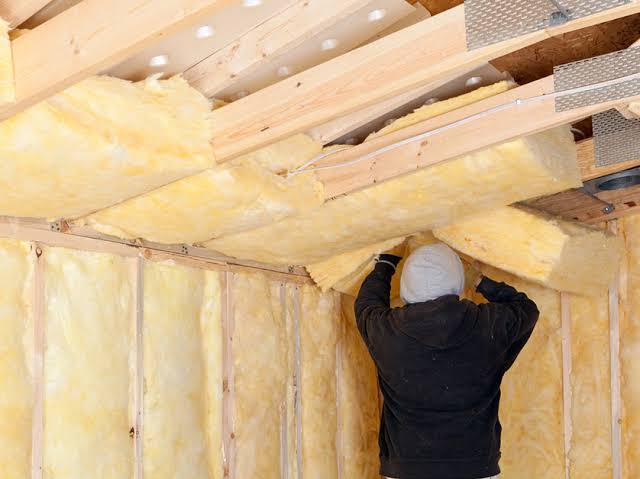
Proper insulation is one of the most important yet often overlooked features of a comfortable and energy-efficient home. While insulation is hidden behind walls, beneath floors, and above ceilings, it plays a major role in controlling indoor temperatures, reducing energy use, and improving everyday comfort.
Whether you are building a new house or improving an existing property, upgrading insulation can make a noticeable difference. From keeping rooms warmer during cold weather to helping prevent excessive heat from entering during summer, the right insulation creates a more stable indoor environment.
What Is Home Insulation?
Home insulation is a material or system designed to slow the transfer of heat between different areas of a building. During winter, insulation helps keep indoor warmth from escaping. During hot weather, it can reduce the amount of outdoor heat entering the home.
Insulation can be installed in several areas, including walls, roofs, attics, floors, ceilings, and around certain pipes and ducts. Different materials are available, and the best option depends on the building design, climate, budget, and specific insulation requirements.
How Insulation Improves Indoor Comfort
One of the biggest benefits of proper insulation is improved comfort. Homes without sufficient insulation can develop cold floors, chilly walls, overheated upper rooms, or noticeable temperature differences between rooms.
Good insulation helps slow heat movement, allowing indoor temperatures to remain more consistent. This means heating and cooling systems do not have to work as hard to compensate for rapid temperature changes.
A well-insulated home can therefore feel more comfortable throughout the year, particularly during periods of extreme weather.
Insulation Can Help Reduce Energy Consumption
Heating and cooling can account for a significant portion of household energy use. When a home loses heat quickly in winter or gains too much heat in summer, heating and cooling equipment needs to operate more frequently.
Proper insulation helps reduce this unwanted heat transfer. As a result, a heating or cooling system may be able to maintain the desired indoor temperature with less effort.
Over time, reducing unnecessary heating and cooling demand can contribute to lower energy consumption and potentially lower utility bills.
Insulation Helps Keep Your Home Warmer in Winter
During cold weather, heat naturally moves toward colder areas. Without adequate insulation, warmth can escape through the roof, walls, floors, windows, doors, and other parts of the building envelope.
Roof and attic insulation can be especially important because warm air tends to rise. Wall and floor insulation can also reduce heat loss from living spaces.
By slowing this transfer, insulation helps indoor spaces retain warmth for longer.
Insulation Can Keep Your Home Cooler in Summer
Insulation is not only useful in cold weather. It can also help protect your home from excessive outdoor heat.
When the outside temperature rises, properly insulated roofs and walls can slow the movement of heat into the home. This can help indoor spaces remain more comfortable and may reduce the workload placed on air-conditioning equipment.
For homes in warm climates, combining insulation with shading, ventilation, reflective roofing, and efficient cooling can create a more comfortable indoor environment.
Better Temperature Control Between Rooms
Poorly insulated homes can have rooms that feel significantly warmer or colder than others. This can happen because certain areas are more exposed to outdoor temperatures or have less insulation.
Improving insulation can help create greater temperature consistency. This is particularly useful in homes with multiple floors, extensions, garages, lofts, or rooms that receive significant sunlight.
A more balanced indoor temperature can make the entire home feel more comfortable.
Insulation Can Improve Energy Efficiency
Energy efficiency is about using less energy to achieve the same level of comfort and performance. Insulation supports this goal by reducing unwanted heat movement.
When the building envelope performs better, heating and cooling equipment can operate more efficiently. This can be especially beneficial when insulation improvements are combined with efficient windows, properly sealed doors, modern heating systems, and good ventilation.
Insulation should therefore be considered an important part of an overall energy-efficiency strategy.
Roof and Attic Insulation
The roof and attic are important areas to consider when improving insulation. Because roofs are directly exposed to outdoor weather, they can experience significant temperature changes.
In colder conditions, inadequate attic insulation can allow indoor heat to escape. In hot conditions, a poorly insulated roof can contribute to heat entering the upper parts of the house.
Improving insulation in these areas can help regulate indoor temperatures and improve the performance of the home’s overall thermal envelope.
Wall Insulation
Walls can account for a considerable amount of heat transfer, particularly when they have little or no insulation.
Depending on the construction of the home, insulation may be installed inside wall cavities, on the interior side of walls, or as part of an external wall system.
The appropriate approach depends on the building structure and should be planned carefully, especially in existing homes where moisture, ventilation, and electrical systems need to be considered.
Floor Insulation
Floors can also affect indoor comfort. Uninsulated floors above garages, crawl spaces, or unheated areas may feel cold during cooler weather.
Floor insulation can help reduce heat transfer between the living space and colder areas below it. It can also make rooms feel more comfortable by reducing cold surfaces.
The exact insulation method depends on whether the floor is suspended, built over a crawl space, or constructed directly over the ground.
Insulation and Indoor Noise Reduction
Some insulation materials can also contribute to sound control. Insulation placed within walls, floors, and ceilings can help reduce the movement of sound between rooms or between the home and outside areas.
While thermal insulation and acoustic insulation are not exactly the same thing, certain products can provide both thermal and sound-related benefits.
This can be useful for bedrooms, home offices, media rooms, and homes located near busy roads.
Preventing Drafts and Heat Loss
Insulation works best when it is combined with proper air sealing. Even a well-insulated wall can perform poorly if there are significant gaps or uncontrolled air leaks.
Common problem areas can include gaps around windows and doors, service penetrations, electrical outlets, pipes, ducts, and other openings in the building envelope.
Sealing appropriate gaps while maintaining necessary ventilation can improve overall building performance.
Insulation and Moisture Management
Moisture is an important consideration when installing or upgrading insulation. Poorly planned insulation systems can contribute to condensation problems if moisture movement and ventilation are not properly addressed.
Water leaks, dampness, and condensation should be investigated before adding insulation to affected areas.
Choosing the correct insulation system and installing it according to building requirements can help support a healthier and more durable home.
Choosing the Right Insulation Material
There are several types of insulation available, including fiberglass, mineral wool, cellulose, rigid foam, and spray foam. Each has different characteristics, installation requirements, costs, and applications.
The best choice depends on factors such as the location being insulated, available space, climate, moisture conditions, budget, and the required thermal performance.
Rather than choosing a material based only on price, homeowners should consider the overall performance and suitability of the insulation system.
Professional Installation vs. DIY Insulation
Some insulation projects may be suitable for experienced DIY homeowners, while others require specialized knowledge and equipment.
Professional installation can be particularly useful when dealing with difficult-to-access spaces, extensive renovations, moisture concerns, complex roof structures, or insulation materials that require specialized handling.
Correct installation is important because gaps, compression, poor fitting, or inappropriate placement can reduce the effectiveness of insulation.
Signs Your Home May Need Better Insulation
Several common signs can indicate that a home could benefit from an insulation assessment. Rooms that are consistently too hot or cold, unusually high heating or cooling costs, cold walls or floors, drafts, and large temperature differences between rooms can all justify further investigation.
Older homes may also have insulation that is insufficient by modern standards or has deteriorated over time.
A professional energy assessment can help identify where heat is being lost and which improvements could provide the greatest benefit.
Combining Insulation With Other Home Improvements
Insulation works particularly well when combined with other improvements. Energy-efficient windows can reduce heat transfer through glazing, while weatherstripping and suitable door seals can reduce unwanted drafts.
Efficient heating and cooling equipment can then operate within a better-performing building envelope.
Ventilation should also be considered. A well-sealed home still needs appropriate ventilation to manage indoor air quality and moisture.
The Long-Term Benefits of Proper Insulation
Although insulation may require an upfront investment, its benefits can continue for many years when properly selected and installed.
Improved comfort, reduced heat transfer, better energy efficiency, and potentially lower heating and cooling costs can make insulation an important long-term home improvement.
Insulation can also contribute to the durability and overall performance of the building when it is integrated correctly with moisture control, ventilation, and air sealing.
Common Insulation Mistakes to Avoid
One common mistake is focusing on only one area while ignoring major sources of heat loss elsewhere. For example, improving wall insulation while leaving significant gaps around doors, windows, or the attic can limit the overall improvement.
Another mistake is installing insulation without addressing existing moisture problems. Insulation should not simply cover up leaks, dampness, or condensation issues.
Using the wrong material or installing it incorrectly can also reduce performance. For larger projects, obtaining professional advice can help ensure that the insulation system is appropriate for the property.
FAQs About Home Insulation
How does insulation improve a home?
Insulation slows heat transfer through the building envelope. This helps keep indoor spaces warmer in cold weather and cooler in hot weather, improving comfort and potentially reducing heating and cooling energy use.
Where should insulation be installed?
Common locations include roofs, attics, walls, floors, and ceilings. The most appropriate areas depend on the home’s construction, climate, and existing insulation levels.
Can insulation reduce energy bills?
Proper insulation can reduce the amount of heating and cooling required to maintain comfortable indoor temperatures. This may reduce energy consumption and, depending on energy prices and the home’s existing condition, lower utility costs.
Does insulation help during summer?
Yes. Insulation can slow the movement of outdoor heat into the home, helping indoor spaces remain cooler and potentially reducing air-conditioning demand.
Does insulation reduce noise?
Some insulation materials and systems can help reduce sound transmission through walls, floors, and ceilings. However, thermal insulation and dedicated acoustic treatments have different purposes.
How long does home insulation last?
The lifespan depends on the insulation material, installation quality, environmental conditions, and whether the material becomes damaged by moisture, pests, or building work. Regular inspections can help identify problems.
Should I insulate an older home?
Older homes may benefit from insulation improvements, particularly if they have limited or outdated insulation. However, the building should be assessed first to identify moisture, ventilation, and structural considerations.
Is more insulation always better?
Not necessarily. Insulation needs to be appropriate for the building assembly and climate. Excessive or incorrectly installed insulation can create problems if moisture management and ventilation are not properly considered.
Conclusion
Proper insulation can make a significant difference to the comfort, efficiency, and overall performance of your home. By reducing unwanted heat transfer, insulation helps maintain more consistent indoor temperatures and can reduce the workload on heating and cooling systems.
The best results come from treating insulation as part of a complete building-performance strategy. Roofs, walls, floors, windows, doors, air sealing, moisture management, and ventilation all work together to create a comfortable and efficient home.
Whether you are planning a major renovation or simply looking for practical ways to improve your property’s performance, evaluating your insulation is a worthwhile place to start.