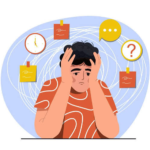

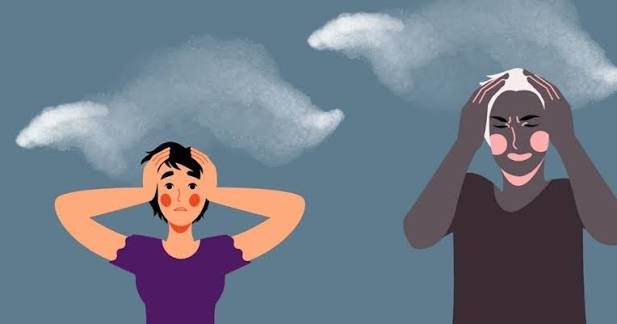
Most people have felt their heart race before a big presentation or their stomach tighten during a difficult conversation. That kind of anxiety is normal, even useful. It sharpens attention and motivates action. But when anxious feelings become persistent, disproportionate to the situation, or start shrinking the boundaries of a person’s daily life, something more significant may be happening. Anxiety disorders are the most common category of mental health conditions in the United States, yet they remain widely misunderstood. This article breaks down the main types, the symptoms worth paying attention to, and the treatments that have real evidence behind them.
Why Anxiety Disorders Are Not Just ‘Being Worried’
The word ‘anxiety’ gets used loosely in everyday conversation, which makes it easy to dismiss clinical anxiety as simply an overreaction or a personality trait. The reality is more complicated. Anxiety disorders involve a dysregulation of the brain’s threat-detection system. The amygdala, which processes fear responses, can become hyperactive, sending alarm signals even when no real threat exists. This is not a character flaw or a lack of willpower. It is a measurable, biological pattern that responds to specific interventions.
According to the National Institute of Mental Health, approximately 31 percent of adults in the United States will experience an anxiety disorder at some point in their lives. That figure places anxiety disorders well ahead of mood disorders in terms of lifetime prevalence. Despite this, fewer than half of those affected receive treatment. The gap between how common these conditions are and how often they are actually addressed is striking.
The Main Types of Anxiety Disorders
Anxiety disorders are not a single condition. They form a family of related but distinct diagnoses, each with its own pattern of triggers, symptoms, and typical onset. Understanding the differences matters because the most effective treatments can vary depending on the specific diagnosis.
| Disorder | Core Feature | Common Onset |
| Generalized Anxiety Disorder (GAD) | Persistent, excessive worry about multiple areas of life | Late childhood to early adulthood |
| Panic Disorder | Recurrent unexpected panic attacks with fear of future attacks | Late adolescence to mid-30s |
| Social Anxiety Disorder | Intense fear of social situations and negative evaluation | Typically adolescence |
| Specific Phobia | Marked fear of a specific object or situation | Childhood or early adulthood |
| Agoraphobia | Fear of situations where escape may be difficult | Late adolescence to early adulthood |
| Separation Anxiety Disorder | Excessive fear about separation from attachment figures | Childhood, but can persist into adulthood |
It is also worth noting that obsessive-compulsive disorder and post-traumatic stress disorder were historically grouped with anxiety disorders in older diagnostic manuals. Current diagnostic standards, including the DSM-5, classify them separately. That said, anxiety is a central feature of both conditions, and there is significant overlap in how they are treated.
Recognizing the Symptoms Across the Spectrum
One reason anxiety disorders go unrecognized is that their symptoms can look very different from one person to the next. Some people experience primarily psychological symptoms. Others feel anxiety almost entirely in their bodies. Many experience both at once, which can make self-diagnosis confusing and sometimes leads people to seek medical evaluations for physical complaints before anyone considers a mental health explanation.
Psychological Symptoms
- Persistent, uncontrollable worry that feels difficult to switch off
- Anticipating the worst-case outcome in routine situations
- Difficulty concentrating, often described as the mind going blank
- Heightened irritability that feels out of proportion
- Avoiding situations, people, or activities because of anticipated fear
- Excessive self-consciousness in social settings
Physical Symptoms
- Rapid heartbeat or palpitations
- Shortness of breath or a feeling of being unable to get enough air
- Muscle tension, especially in the neck, shoulders, or jaw
- Sweating, trembling, or feeling hot without a clear cause
- Gastrointestinal disturbances including nausea or stomach upset
- Fatigue that does not improve with rest
- Sleep difficulties, particularly trouble falling or staying asleep
A panic attack deserves special mention here. It can feel like a medical emergency, with chest pain, dizziness, numbness, and an overwhelming sense of dread or unreality. People who experience their first panic attack often end up in an emergency room. Once cardiac and other medical causes are ruled out, the experience can be traced back to the body’s fight-or-flight response misfiring without an actual threat present.
Evidence-Based Treatments That Actually Work
Effective treatment for anxiety disorders exists, and the research base is strong. The two most well-supported approaches are psychotherapy and medication, often used in combination. The right choice depends on the type and severity of the disorder, the individual’s preferences, and any co-occurring conditions.
Cognitive Behavioral Therapy
Cognitive behavioral therapy, or CBT, is consistently ranked as the first-line psychological treatment for most anxiety disorders. It works by helping people identify distorted thought patterns that fuel anxiety and replace them with more accurate, balanced interpretations. A key component for many anxiety disorders is exposure therapy, which involves gradual, controlled contact with feared situations or objects until the fear response diminishes. This process, called habituation, teaches the brain that the threat it perceived was not real or not as dangerous as it seemed. A meta-analysis published in the journal Psychological Medicine found that CBT produced significant reductions in anxiety symptoms across a wide range of anxiety disorder subtypes.
Medication Options
Several classes of medication are used to treat anxiety disorders. Selective serotonin reuptake inhibitors, commonly known as SSRIs, are the most frequently prescribed and are considered a first-line pharmacological option. Serotonin-norepinephrine reuptake inhibitors, or SNRIs, are another common choice. Both types typically take several weeks to reach their full effect. Benzodiazepines are sometimes prescribed for short-term relief of acute symptoms but carry risks of dependence and are generally not recommended for long-term use. Buspirone is a non-addictive option specifically used for generalized anxiety disorder. Any medication decision should be made with a qualified prescriber who can weigh individual factors carefully.
Complementary Approaches
Certain lifestyle factors and complementary practices can meaningfully support anxiety treatment, though they are not substitutes for professional care. Regular aerobic exercise has been shown in multiple studies to reduce anxiety symptoms, partly by lowering baseline cortisol levels and partly by improving sleep quality. Mindfulness-based stress reduction, or MBSR, has a solid evidence base for reducing generalized anxiety. Limiting caffeine and alcohol, both of which can worsen anxiety symptoms, is a straightforward practical step that many clinicians recommend alongside formal treatment.
How to Know When to Seek Professional Help
Knowing when anxiety has crossed from manageable to something that warrants professional attention is not always obvious. A useful way to think about it: anxiety becomes clinically significant when it is persistent across at least several weeks, causes noticeable distress, and starts to interfere with work, relationships, or everyday functioning. A person does not need to hit a crisis point before reaching out. Earlier intervention tends to produce better outcomes, partly because anxiety disorders can compound over time if untreated, often leading to avoidance behaviors that become increasingly limiting.
If you are trying to understand what a professional evaluation might involve or what conditions a mental health practice typically addresses, resources like https://stlouismentalhealth.com/what-we-treat/anxiety-disorders/ offer a clear picture of the range of anxiety-related conditions that clinicians work with, which can be genuinely useful when trying to figure out where to start.
Common Misconceptions That Get in the Way of Help
Several persistent myths about anxiety disorders discourage people from seeking care or make it harder to recognize a problem in the first place. These misconceptions are worth addressing directly.
- Anxiety is just stress. Stress is a response to an external pressure that typically resolves when the pressure does. Anxiety disorders persist even without clear external triggers and often worsen over time without treatment.
- You should be able to think your way out of it. Telling someone with an anxiety disorder to ‘just relax’ or ‘stop overthinking’ is like telling someone with a broken leg to walk it off. The condition has physiological roots.
- Medication will change your personality. Most people taking medication for anxiety report feeling more like themselves, not less. The goal of treatment is to reduce symptoms, not to sedate.
- Only people with very serious problems need therapy. Therapy is effective across a wide range of severity levels. Many people benefit significantly from a relatively short course of CBT even when their symptoms are moderate.
- If you had anxiety as a child, you are stuck with it for life. While anxiety disorders can be chronic, they are also highly treatable. Many people achieve significant, lasting improvement with appropriate care.
Putting It All Together
Anxiety disorders are common, they are real, and they are treatable. The variety of conditions that fall under this category means that no single description fits every experience, but the core pattern is consistent: the brain’s fear system is working harder than it needs to, and that creates genuine suffering. The good news is that the science of anxiety treatment has advanced considerably over the past few decades. Effective tools exist, both psychological and pharmacological, and most people who engage with appropriate treatment see meaningful improvement. Recognizing the symptoms, understanding what separates clinical anxiety from everyday worry, and knowing that help is available are the first practical steps toward a better quality of life.