
Introduction to Baking Tools
Baking is an art form that requires precision, and having the right tools is crucial for achieving desirable results. Just as a painter needs quality brushes and canvas to create a masterpiece, a baker needs specific tools to produce delectable baked goods. The quality and variety of baking equipment available can significantly influence the baking process and affects the outcome of recipes. For both novice and experienced bakers, understanding the importance of these tools cannot be overstated.
Investing in high-quality baking tools can streamline preparation, ensure accuracy in measurements, and ultimately lead to more consistent and enjoyable results. Commonly used tools include mixing bowls, measuring cups and spoons, baking sheets, and silicone mats, among others. Each of these implements serves a distinct purpose that aids in executing recipes effectively. For instance, precise measuring implements ensure that ingredients are accurately represented, which is crucial for chemical reactions that occur during baking.
Moreover, quality tools often last longer, resist wear and tear, and improve efficiency during the baking process. A sturdy whisk, for example, can make it easier to incorporate air into mixtures, resulting in lighter cakes and pastries. Additionally, using the correct pans and molds can help achieve uniform heating and cooking, which is vital for properly baked items. Therefore, the right baking tools contribute not only to efficiency but also to enhancing the overall quality of finished products.
In any baking endeavor, the right equipment lays the groundwork for success. Whether one is baking bread, cakes, or pastries, having the appropriate tools can elevate the baking experience and the eventual outcome, transforming ordinary recipes into extraordinary culinary delights.
Measuring Instruments: Cups and Scales
Accurate measurement is a cornerstone of successful baking, and having the right measuring instruments is crucial for any home baker. The two commonly used measuring tools are measuring cups and kitchen scales, each serving a specific purpose that contributes to the integrity of baked goods.
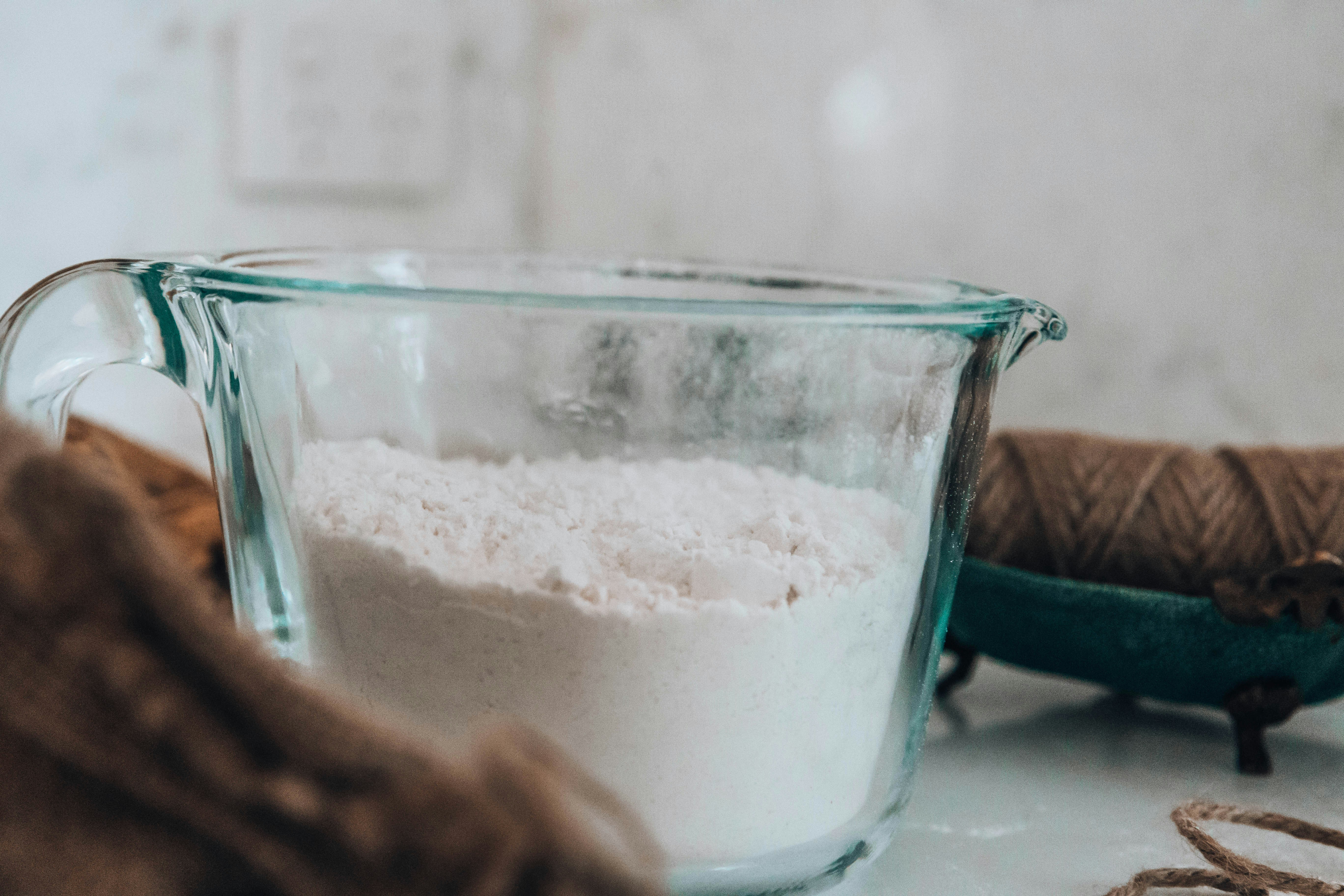
Measuring cups are typically available in both dry and liquid varieties. Dry measuring cups are usually made of plastic or metal and are used to measure ingredients like flour, sugar, and oats. They are designed to be filled to the top and leveled off for precision. On the other hand, liquid measuring cups are often made of glass or plastic and include a spout for easy pouring. This variety allows bakers to accurately measure liquids such as milk, water, or oil, which can greatly affect the moisture content and texture of the final product.
Measuring spoons are another delicate yet essential tool, used for smaller quantities of ingredients. With measurements ranging from 1 tablespoon to 1/8 teaspoon, these spoons ensure that even the smallest additions of baking powder or salt are precise, preventing detrimental impacts on flavor and rising. Consistency in using these tools is paramount, as variations can lead to recipe failure.
Kitchen scales have gained increased popularity in home baking for their ability to provide weight measurements, which can often yield more consistent results compared to volume measurements. Weighing ingredients, especially dry ones like flour or nuts, allows for more accuracy by eliminating the variability introduced by different packing methods. Many baking recipes now specify ingredients by weight as this approach can lead to more reliable outcomes.
In essence, the use of appropriate measuring instruments is vital in baking. It not only enhances the accuracy of ingredient quantities but also contributes to the overall success of recipes. Home bakers who invest in quality measuring cups, spoons, and kitchen scales will undoubtedly enjoy consistently delicious results in their culinary creations.
Mixing Tools: Whisks, Spatulas, and Mixers
When it comes to baking, achieving the right consistency in your batter or dough is crucial, and the right mixing tools can make all the difference. Each type of mixing tool serves its unique purpose and can greatly impact the outcome of your baked goods.
Whisks are essential for incorporating air into mixtures, making them perfect for whipping eggs and cream. They come in various sizes and shapes, including balloon whisks for airy mixtures and flat whisks for sauces. A well-designed whisk allows for easy maneuverability, ensuring that your mixture achieves a smooth and lump-free texture.
Spatulas, both rubber and silicone, are invaluable for folding ingredients together, scraping bowls clean, and ensuring that your mixtures are thoroughly combined. A high-quality spatula can also withstand heat and can be used directly in non-stick cookware. When selecting a spatula, consider the flexibility of the blade; a more flexible spatula can gently combine delicate mixtures without deflating airiness.
Mixers, whether hand or stand, offer varying levels of convenience and power. Hand mixers are portable and perfect for quick tasks, while stand mixers provide more power and the ability to handle heavier doughs with ease. A stand mixer can also come with attachments that enable users to knead dough or mix batter, significantly improving efficiency in the kitchen.
In choosing the right mixing tools, consider not only the type and purpose but also the material and design that best fits your baking routine. Stainless steel, silicone, and durable plastic are all popular materials, each offering unique benefits that cater to different mixing methods. Understanding the functions and proper uses of these mixing tools will lead to more successful and enjoyable baking experiences.
Bakeware Essentials: Pans, Sheets, and Molds
Home baking is an art that requires the right tools to achieve excellent results. Among these tools, the choice of bakeware is crucial. Various types of pans, sheets, and molds are essential for any home baker, each providing different characteristics that can influence baking outcomes.
First and foremost, cake pans come in a variety of shapes and sizes, including round, square, and rectangular models. A standard round cake pan, often 9 inches in diameter, is perfect for layer cakes. On the other hand, square pans are typically used for brownie recipes. The material of the pans also plays a significant role; materials like aluminum and stainless steel offer good heat conductivity, while glass and ceramic pans can provide a more even bake due to their heat-retaining properties.
Muffin tins are another staple in any baker’s collection. Standard muffin tins usually contain six or twelve cavities, suitable for individual cupcakes or muffins. Non-stick coatings can help prevent sticking, making it easy to remove baked goods without hassle. Additionally, silicone muffin molds are gaining popularity for their flexibility and easy cleaning.
Baking sheets are essential for tasks ranging from cookies to roasting vegetables. Sheet pans typically come in half or full sizes, with rimmed versions helping to contain spills. For cookies, flat sheet pans allow for even cooking and improve airflow around baked goods, contributing to a nicely baked texture.
Other useful bakeware includes loaf pans for bread and springform pans for cheesecakes, each designed to enhance both functionality and final appearance. By understanding the differences among various types of bakeware, bakers can make informed choices that lead to delicious results, elevating their baking experience.
Oven Tools: Thermometers and Parchment Paper
In the realm of home baking, precision is paramount. This importance is often best illustrated through the use of two essential oven tools: thermometers and parchment paper. Each plays a pivotal role in enhancing the baking process, ensuring that your culinary creations turn out as intended.
Firstly, an oven thermometer is a valuable instrument that provides insight into the actual temperature inside your oven. Many standard ovens can have discrepancies; for example, they may indicate a temperature of 350°F while the internal environment may differ significantly. By using a thermometer, bakers can establish a reliable reference point, enabling consistent baking results. This tool is particularly crucial when engaging in time-sensitive recipes, such as soufflés or delicate pastries, where temperature fluctuations can lead to disappointing outcomes.
Secondly, parchment paper is an invaluable aid for preventing sticking and ensuring even baking. This non-stick surface allows baked goods to release easily from pans without the need for excessive greasing. Furthermore, it also promotes uniform heat distribution, which is essential in achieving an even rise and a perfectly golden crust. When placed on baking sheets, parchment paper facilitates easy cleanup, making it a practical choice for home bakers who desire efficiency in their kitchen.
Incorporating both an oven thermometer and parchment paper into your baking endeavors significantly elevates the baking experience. These simple yet effective tools can help eliminate the guesswork, ensuring that your baked goods not only taste great but also look appealing. Consistency in baking is achieved through precise temperature management and the right techniques, making these tools indispensable to any serious baker.
Cooling Racks and Their Importance
Cooling racks are indispensable tools in the realm of baking, serving a critical purpose in the proper cooling of baked goods such as cakes and cookies. When these items exit the oven, they are often still carrying residual heat; without a dedicated cooling rack, they can retain moisture or continue cooking, leading to undesirable changes in texture and taste.
One significant advantage of using cooling racks is the enhanced airflow they provide. Elevating baked goods allows for air to circulate around them, promoting even cooling and preventing steam from becoming trapped, which can result in soggy bottoms. For example, cooling a cake on a solid surface may impede proper evaporation, while placing it on a wire rack facilitates the ideal cooling environment.
There are various types of cooling racks available, each offering distinct benefits. Traditional wire cooling racks are common in many homes; these racks are lightweight and versatile, often available in multiple sizes to accommodate different baked goods. Additionally, silicone cooling mats are becoming increasingly popular; they provide a non-slip surface and can be very useful when dealing with delicate cookies that may break easily. For those lacking kitchen space, collapsible cooling racks can be an excellent choice, as they can be stored compactly when not in use.
Ultimately, the importance of cooling racks cannot be overstated in the baking process. Using these tools ensures that bakers achieve the perfect texture and flavor profile, enhancing the overall baking experience. By taking the time to cool cakes and cookies properly, home bakers can create delightful treats that are both visually appealing and delicious.
Decoration and Finishing Tools
The art of baking extends beyond simply mixing ingredients and placing them in the oven; it also involves the creativity of decorating and finishing your baked goods. To achieve a professional look, certain essential decorating tools are indispensable. Among these, piping bags, spatulas, and icing smoothers play a pivotal role in enhancing the presentation of cakes, cookies, and pastries.
Piping bags are essential tools for decorating baked goods with precision. They allow the baker to pipe icings, fillings, or ganache into intricate designs or patterns. Using a variety of piping tips, you can create anything from elegant rosettes to decorative stars, adding depth and visual appeal to your creations. When utilizing piping bags, it’s essential to fill them properly, ensuring that the icing is neither too thick nor too runny, as this can affect the outcome of your designs.
Spatulas, particularly offset spatulas, are invaluable for spreading frosting evenly on cakes or smoothing ganache over surfaces. An offset spatula’s unique design allows for better control and reach, facilitating a more polished finish. When using a spatula, it is beneficial to apply minimal pressure while moving it in a deliberate, smooth motion, ensuring a seamless layer of frosting without crumbs getting mixed in.
Icing smoothers are another critical tool that can dramatically improve the appearance of your cakes. These tools help achieve a flawless finish by smoothing out the icing on the sides and top of the cake. When using an icing smoother, hold it perpendicular to the cake’s surface and rotate the turntable to maintain an even approach, ensuring all edges are uniformly finished.
Investing time in mastering these decoration and finishing tools not only advances your baking skills but also enhances the aesthetic allure of your baked goods, bringing your culinary creations to life with professional quality.</p>
Cleaning and Maintenance Tools
Having the right cleaning and maintenance tools is essential for any home baker who values their bakeware and wants to ensure its longevity. Proper maintenance not only keeps equipment looking new but also enhances its performance in future baking endeavors. The effectiveness of your baking relies significantly on the cleanliness of the tools used, and neglecting this aspect can lead to unwanted flavors, odors, or even a compromised baking process.
Among the fundamental cleaning tools, brush sets are invaluable. A variety of brushes, including silicone pastry brushes, can effectively clean away residue without scratching the non-stick surfaces of bakeware. Additionally, a set of different size scrub brushes is useful for addressing tough spots on pans and baking sheets. It is advisable to choose brushes with sturdy bristles designed for heavy-duty cleaning while ensuring they are gentle enough not to damage the surface of your cherished bakeware.
Furthermore, microfiber cloths should be a staple in your baking toolkit. Their absorbent nature makes them perfect for drying and wiping down equipment after washing. Microfiber cloths are gentle and non-abrasive, ensuring that your baking tools remain unscathed. For those stubborn spots, consider incorporating a range of sponges, especially those with soft sides, to tackle any residue without scratching.
Lastly, utilizing effective cleaning solutions can elevate your cleaning routine. Opt for non-toxic and biodegradable solutions to maintain both your bakeware and the environment. A mixture of vinegar and baking soda can often do wonders for tough stains, while a gentle dish soap ensures all equipment is free from lingering odors and oils. Keeping your cleaning tools in top condition ensures that your bakeware remains as good as new, ready for your next baking adventure.
Conclusion: Investing in Quality Baking Tools
Investing in quality baking tools is crucial for both amateur and seasoned bakers. The right tools not only enhance the overall baking experience but also contribute significantly to the outcome of your culinary creations. Home bakers must recognize that the quality of their tools can directly influence the precision and efficiency with which they work, ultimately leading to superior results.
Building a collection of essential baking tools does not have to happen overnight. It is advisable to start with a few key items, such as a reliable mixing bowl, measuring cups, a sturdy rolling pin, and a good set of baking pans. As your confidence and experience grow, you can gradually expand your collection to include more specialized equipment like pastry brushes, silicone mats, or even a stand mixer. This gradual approach allows you to understand your personal baking style and the specific tools that enhance your process.
Additionally, when choosing baking tools, consider the materials, durability, and overall functionality. Stainless steel and silicone are often preferred materials for their durability and ease of cleaning. Reading reviews and seeking recommendations from other bakers can serve as valuable resources in identifying top-quality tools. Online marketplaces and specialty kitchen stores frequently provide a wide range of options, making it easier to find necessary equipment.
In conclusion, investing wisely in quality baking tools is essential for nurturing your baking passion. A well-chosen collection not only streamlines the baking process but can also inspire creativity in the kitchen. By taking the time to select the right tools, home bakers can unlock new possibilities and enhance their baking endeavors.