

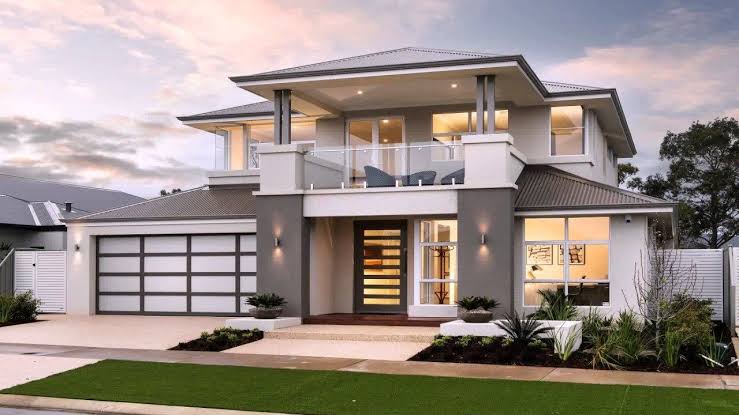
A timber frame shell can go up in two to three days. The same shell in brick and block takes eight to twelve weeks to reach watertight. On a double storey extension, that gap decides how long you live in a building site.
So before the design is even finished, there is a choice to make about how it gets built. Here is how the methods actually compare for two storey work.
The Two Routes, in One Line Each
Every extension is built one of two broad ways.
Traditional construction is brick and block, built course by course on site. Masonry walls, a cut or trussed roof, wet plaster, everything fitted as it goes.
Modern methods of construction, or MMC, is the umbrella term for building sections in a factory and assembling them on site. For extensions this mainly means timber frame and SIPs, structural insulated panels.
That is the whole distinction. Site built versus factory made, then assembled.
Why Speed Is the Headline Difference
MMC’s biggest advantage is time, and on a two storey build the saving compounds across two floors.
- A timber frame or SIPs shell is typically erected in one to two weeks
- The same shell in brick and block takes three to five weeks, and longer on a two storey job
- Factory manufacturing happens while your groundworks are being dug, so the two run in parallel rather than in sequence
- Weather does not stop factory production, so there are fewer delays
For a double storey extension, where the structure is the longest phase, that can take weeks off the programme. If you are paying rent elsewhere or living around the works, those weeks have a real cash value.
Cost: Closer Than People Expect
The assumption is that factory made costs more. For most domestic projects, the total lands in a similar place.
| Traditional brick and block | Timber frame | SIPs | |
| Shell cost (2026) | £2,000 to £2,800 per m² | £1,800 to £2,500 per m² | £2,000 to £2,700 per m² |
| Build speed to watertight | 8 to 12 weeks | 2 to 3 weeks | 5 to 7 days |
| Thermal performance | Good | High | Very high |
| Flexibility on site | High | Moderate | Lower |
Timber frame often comes out marginally cheaper per square metre than brick on a like for like shell. SIPs usually carry a 5 to 15 per cent premium on shell cost, which the speed and lower energy bills partly offset.
The headline figures narrow further once you add brick slip cladding to a timber frame, so it still looks like a traditional extension from outside.
What MMC Does Better on a Two Storey Build
Beyond speed, a few things genuinely favour the factory route for double storey work.
- Thermal performance. SIPs and modern timber frame exceed Part L insulation requirements more easily than traditional cavity walls, which matters more over two floors of external wall
- Thinner walls, more space. Timber frame and SIP walls are slimmer than a brick cavity for the same performance, so you gain internal floor area
- Factory manufacturing to your drawings means fewer on site errors and tighter tolerances
- Less disruption. A shorter noisy, dusty phase on site, which matters when you are living there
One practical reassurance: every UK high street lender now accepts modern timber frame, so mortgageability, an old concern, is no longer an issue.
Where Traditional Still Wins
Brick and block remains the UK’s most common method for good reasons, and some of them matter specifically for two storey extensions.
- Matching an existing house. A brick extension ties seamlessly into a masonry home with no cladding needed to match
- Conservation areas. Where materials are scrutinised, traditional brick in a matching bond is often what an officer expects, and is the path of least resistance
- Masonry is easy to adjust on site, which helps on the awkward junctions where a new two storey structure meets an old house
- Familiar trades. Every local builder can do it, so you are not limited to specialist firms
- Brick has a 100 plus year lifespan against 60 plus for well detailed timber frame
For a two storey extension that has to blend into a Victorian terrace, traditional construction is frequently the simpler planning and design choice.
Which Should You Choose for a Double Storey Extension?
Work through it by priority.
Choose MMC if speed and minimal disruption are the priority, if energy performance matters to you, or if site access is tight, since prefabricated panels are easier to manoeuvre than thousands of bricks.
Choose traditional if the extension must match a masonry house in a conservation area, if you want the widest choice of local builders, or if the junctions with the existing house are complex enough that on site flexibility is worth more than factory speed.
Many of the best two storey extensions are hybrids, a traditional masonry ground floor tying into the existing house, with a lighter timber frame upper storey to reduce load on foundations. A good designer will suggest the mix that suits your specific house rather than treating it as all one or all the other. The full range of modern methods of construction is worth understanding before you decide, because the right method is rarely the same for every project.
The Honest Trade Off
Faster is not automatically better, and cheaper on the shell is not automatically cheaper overall.
MMC buys you speed and energy performance, at the cost of some on site flexibility and a slightly higher shell price for SIPs. Traditional buys you flexibility, easy matching and a longer lifespan, at the cost of a longer, messier build.
Extension Architecture’s approach on any double storey scheme is to let the house and the site choose the method, not the fashion. On a Weybridge project constrained by a conservation area and a flood zone, the construction approach was settled alongside the planning strategy up front, which is what kept a difficult site on track to approval in around seven weeks. Decide what your project most needs, speed, matching, or flexibility, and the method follows from there.







