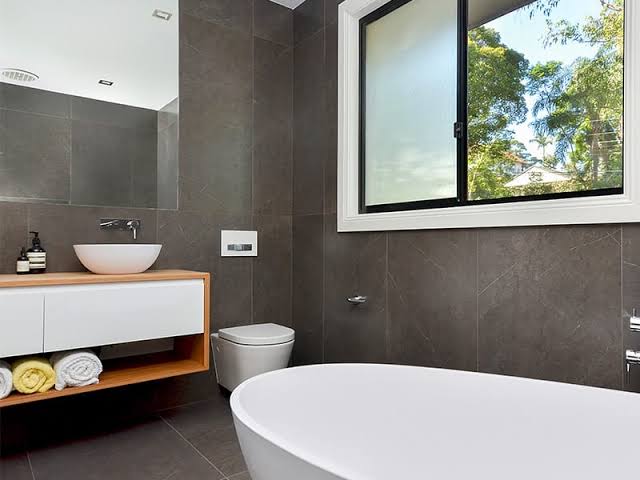
Bathrooms naturally produce a significant amount of moisture. Hot showers, baths, sinks, and wet towels can quickly increase humidity, particularly in bathrooms with limited windows or poor airflow. When that moisture remains trapped, it can contribute to condensation, unpleasant odors, damp surfaces, and mold growth.
Improving bathroom ventilation is therefore an important part of maintaining a cleaner, more comfortable, and better-protected home. The key to controlling indoor mold is controlling moisture, according to the U.S. Environmental Protection Agency (EPA).
Fortunately, improving bathroom ventilation does not always require a major renovation. Using an exhaust fan correctly, improving airflow, drying wet surfaces, repairing leaks, and controlling humidity can make a significant difference.
Why Bathroom Ventilation Is Important
Good ventilation removes humid air from the bathroom and replaces it with drier air. This helps reduce condensation on walls, ceilings, mirrors, windows, and other surfaces.
Bathrooms are particularly vulnerable to moisture because showers and baths release large amounts of water vapor into the air. Without adequate ventilation, that moisture can remain in the room long enough to create conditions where mold and mildew can develop.
The EPA recommends using bathroom exhaust fans or opening windows during showers when conditions allow.
How Poor Ventilation Causes Mold
Mold requires moisture to grow. A bathroom with poor ventilation can remain humid for long periods after someone takes a shower.
Moisture can settle on walls and ceilings, collect around windows, remain in grout lines, or become trapped behind bathroom fixtures. Over time, these damp conditions can encourage mold growth.
If mold repeatedly returns in the same location, simply cleaning the visible growth may not solve the underlying problem. The moisture source and ventilation should also be addressed.
Install a Proper Bathroom Exhaust Fan
One of the most effective ways to improve bathroom ventilation is to install a properly sized exhaust fan.
A bathroom exhaust fan should remove humid air from the room and discharge it directly outdoors, rather than into an attic, ceiling cavity, or another enclosed part of the house. The EPA specifically recommends exhausting bathroom moisture directly outside.
If your existing fan is noisy but seems ineffective, do not assume that noise means good ventilation. A fan needs to move sufficient air to be useful.
Choose the Right Fan Capacity
Bathroom fans are commonly rated by airflow, measured in cubic feet per minute (CFM).
The appropriate airflow depends on factors such as bathroom size, ceiling height, how the room is used, and the length and configuration of the exhaust duct.
ENERGY STAR’s ventilation-fan criteria cover bathroom fans across different airflow ranges and also consider efficiency and noise performance.
For a renovation or new installation, have the fan and ductwork sized appropriately for the bathroom rather than simply choosing the cheapest available model.
Make Sure the Fan Vents Outdoors
A common ventilation mistake is allowing a bathroom fan to exhaust moisture into an attic or another enclosed space.
This simply moves the moisture somewhere else. Moist humid air can condense on cooler surfaces and potentially contribute to moisture damage and mold in the building structure.
The exhaust duct should terminate outside the building using an appropriate exterior outlet. The EPA specifically advises against exhausting bathroom ventilation into an attic.
Run the Exhaust Fan During Showers
Do not wait until the bathroom is completely filled with steam before turning on the fan.
Switch the exhaust fan on when you begin showering or bathing. Keeping it running during the activity allows moisture to be removed while it is being produced.
ENERGY STAR recommends running a bathroom ventilation fan during and for about 15 minutes after showers and baths to help control moisture.
Keep the Fan Running After Showering
A bathroom may still contain significant moisture after the shower has ended.
Running the exhaust fan for a period afterward gives the ventilation system time to remove remaining humid air. If your fan has a timer switch, you can set it to continue operating automatically.
A timer can be particularly useful for households where people frequently forget to switch the fan off or leave it running long enough.
Use a Humidity-Sensing Fan
A humidity-sensing exhaust fan can automatically detect increased moisture levels and activate when necessary.
This can be useful in busy households because the ventilation system does not depend entirely on someone remembering to turn it on.
Humidity-control features can also help maintain more consistent conditions, although the fan still needs to be correctly installed and vented outdoors.
Open a Bathroom Window When Appropriate
If your bathroom has a window, opening it during and after a shower can improve natural ventilation.
However, whether this is effective depends on outdoor weather and humidity. If the outdoor air is already extremely humid, opening a window may not provide the moisture reduction you expect.
The EPA recommends using outdoor ventilation when weather and outdoor air conditions make it appropriate.
Create an Airflow Path
Ventilation works more effectively when air can enter the bathroom as humid air is being removed.
If the bathroom door is tightly sealed and there is no other source of replacement air, an exhaust fan may struggle to move air efficiently.
A suitable gap beneath the door or an appropriate transfer opening can help provide an airflow path, depending on the home’s ventilation design.
The goal is to allow fresh or drier air to enter while humid air is exhausted.
Improve Bathroom Door Airflow
A completely sealed bathroom can make ventilation more difficult.
If there is insufficient airflow beneath the door, a suitable door undercut or transfer grille may help air move into the room while the exhaust fan operates.
Any modification should still provide appropriate privacy and comply with local building requirements.
Clean the Exhaust Fan Regularly
Dust and dirt can accumulate on bathroom exhaust fans over time.
A dirty fan may not move air as effectively as it should, reducing its ability to remove humidity.
Turn off the power before cleaning the fan and follow the manufacturer’s instructions. Remove dust from accessible components and make sure the grille is not blocked.
If the fan continues to perform poorly after cleaning, it may need professional inspection or replacement.
Inspect the Exhaust Duct
The fan itself is only one part of the ventilation system.
A crushed, disconnected, excessively long, or poorly routed duct can reduce airflow. Gaps around duct connections can also allow humid air to escape into unwanted areas.
During a renovation, inspect the entire ventilation route rather than replacing only the visible fan.
Use a Dehumidifier When Necessary
In particularly humid environments, a dehumidifier can provide additional moisture control.
A dehumidifier does not replace a properly functioning bathroom exhaust system, but it can help reduce overall indoor humidity when ventilation alone is insufficient.
The EPA recommends maintaining indoor relative humidity below 60%, with an ideal range of approximately 30% to 50% where practical.
A simple hygrometer can help you monitor humidity rather than relying entirely on how the room feels.
Dry Wet Bathroom Surfaces
Ventilation should be combined with simple moisture-management habits.
After showering, use a squeegee or towel to remove excess water from shower walls and glass surfaces. Hanging wet towels properly instead of leaving them in a pile can also help them dry faster.
The less standing water and moisture available, the easier it is to maintain a dry bathroom.
Repair Plumbing Leaks Quickly
A bathroom can remain damp even when the exhaust fan works correctly if there is a plumbing leak.
Check around sinks, toilets, shower fittings, pipes, bathtubs, and cabinets for unexplained moisture.
The EPA recommends fixing water leaks and other moisture problems promptly because controlling the source of moisture is essential for preventing mold.
Prevent Condensation
Condensation occurs when humid air comes into contact with a colder surface.
You may notice condensation on mirrors, windows, pipes, walls, or ceilings. Repeated condensation can keep surfaces damp and contribute to mold growth.
Reducing humidity and increasing ventilation are two important ways to control condensation. The EPA also recommends addressing cold surfaces where condensation repeatedly occurs.
Keep Bathroom Doors and Windows Managed Properly
After showering, leaving the bathroom door open can sometimes help moisture disperse into the rest of the home.
However, if the rest of the house is also humid, spreading bathroom moisture throughout the home may not solve the underlying issue.
Whenever possible, use the exhaust fan to remove moisture directly outdoors rather than simply transferring humid air to another room.
Pay Attention to Bathroom Ceiling Mold
Bathroom ceilings can be particularly vulnerable because warm, humid air rises.
If you notice dark spots or mold growth on the ceiling, examine the room’s ventilation. Make sure the exhaust fan is working correctly and actually exhausting outdoors.
Do not simply paint over mold. The EPA advises cleaning mold and drying the affected surface before painting because painting over moldy surfaces can lead to peeling and does not address the moisture problem.
Keep Grout and Caulk Dry
Bathroom grout and caulk can develop mold when moisture remains around them for long periods.
Regular cleaning helps remove soap residue and other materials that can accumulate on bathroom surfaces. Drying the shower after use can also reduce persistent moisture.
If damaged or deteriorated caulk is allowing water to reach areas behind the surface, it should be repaired appropriately.
Choose Mold-Resistant Bathroom Materials
When renovating a bathroom, consider materials that are suitable for high-moisture environments.
Water-resistant surfaces, appropriate bathroom paint, properly installed tile, and suitable sealants can all contribute to a more moisture-resistant space.
However, materials alone cannot compensate for poor ventilation. Even highly moisture-resistant finishes can develop problems if water repeatedly enters areas where it should not.
Avoid Excessive Moisture in the Bathroom
Simple habits can make ventilation more effective.
Avoid taking unnecessarily long hot showers when possible, dry wet towels promptly, wipe standing water from surfaces, and use the exhaust fan consistently.
These small actions reduce the amount of moisture that the ventilation system needs to remove.
Keep the Bathroom Warm Enough
Temperature can also influence condensation.
When warm humid air contacts cold surfaces, water can condense. Improving insulation around particularly cold surfaces and maintaining a reasonable indoor temperature can help reduce condensation.
The EPA identifies reducing humidity, improving ventilation, and addressing cold surfaces as important strategies for controlling condensation.
Improve Natural Light
Natural light does not replace ventilation, but a window can provide both daylight and an opportunity for airflow.
A window can be particularly useful when used alongside an exhaust fan.
However, ventilation remains important even in a bright bathroom because sunlight alone does not remove humid air.
Don’t Block the Ventilation Fan
Make sure cabinets, shelves, decorative items, or other objects do not obstruct the exhaust fan.
The fan needs a clear path to pull humid air from the bathroom.
If the fan appears weak, check whether the grille is blocked or dirty before assuming that the motor needs replacement.
Consider a Quiet Fan
Some people avoid using bathroom fans because they find them noisy.
Modern ventilation fans are available with different noise levels. ENERGY STAR’s ventilation-fan specifications include maximum sound requirements for certified residential models.
Choosing a quieter fan can encourage more consistent use, particularly when the bathroom is close to bedrooms or living areas.
When Should You Replace a Bathroom Fan?
Consider replacing an exhaust fan if it is very old, excessively noisy, visibly damaged, or unable to remove moisture effectively.
Persistent condensation and recurring mold can also be signs that the existing ventilation system is inadequate.
Before replacing it, check whether the problem is actually caused by a blocked grille, dirty fan, damaged duct, or poor outdoor termination.
How to Deal With Existing Bathroom Mold
If you already have mold, improving ventilation is only part of the solution.
The moisture source should be identified and corrected. Small amounts of mold on hard surfaces can generally be cleaned using appropriate methods, followed by thorough drying. The EPA recommends cleaning mold from hard surfaces with detergent and water and drying them completely.
Porous materials with extensive mold contamination may need replacement because mold can penetrate into materials and become difficult to remove completely.
For extensive mold or significant water damage, professional assessment may be appropriate.
Avoid Painting Over Mold
Painting over visible mold is not a proper solution.
If moisture remains underneath the paint, mold can return and the paint may peel.
The correct approach is to address the moisture source, clean the affected surface appropriately, allow it to dry, and then repair or repaint the surface when suitable.
Create a Regular Bathroom Maintenance Routine
Preventing mold is easier when ventilation and cleaning become regular habits.
Check the exhaust fan periodically, clean its grille, inspect visible ductwork where accessible, look for plumbing leaks, and monitor areas where condensation frequently appears.
Regular maintenance allows you to identify moisture problems before they become larger repairs.
Signs That Your Bathroom Needs Better Ventilation
Several signs can indicate inadequate ventilation.
Persistent condensation, a musty smell, peeling paint, recurring mildew around the ceiling or shower, damp towels that take a long time to dry, and mold returning shortly after cleaning can all indicate a moisture-control problem.
If these issues continue despite regular cleaning, investigate the ventilation system and possible leaks.
Final Thoughts
Good bathroom ventilation is one of the simplest ways to control moisture and reduce the conditions that allow mold to grow. An effective exhaust fan, properly routed outdoor ventilation, appropriate airflow, humidity control, and regular maintenance can work together to keep a bathroom drier.
The most important principle is simple: control moisture before it becomes a mold problem. The EPA emphasizes that moisture control is the key to mold control, while proper bathroom ventilation helps remove moisture generated by showers and baths.
If your bathroom repeatedly develops mold despite cleaning, do not focus only on the visible spots. Look for the underlying source of moisture, inspect the ventilation system, repair leaks, and consider professional assistance when the problem is extensive.
Frequently Asked Questions
How can I improve ventilation in a bathroom without a window?
Install an exhaust fan that is properly sized for the bathroom and vents directly outdoors. Keep the fan running during and after showers and make sure there is an adequate airflow path into the bathroom.
How long should a bathroom fan run after a shower?
Running the fan during the shower and for around 15 minutes afterward can help control moisture. ENERGY STAR specifically recommends this approach for reducing bathroom moisture problems.
Does opening a bathroom window prevent mold?
Opening a window can improve ventilation when outdoor conditions are suitable. However, it is not always effective when outdoor humidity is very high. A properly installed exhaust fan provides more controlled moisture removal.
Why does my bathroom keep getting mold?
Recurring mold can result from excessive humidity, poor ventilation, plumbing leaks, condensation, or surfaces that remain wet for long periods. Cleaning the mold without fixing the moisture source often allows the problem to return.
Should a bathroom exhaust fan vent into the attic?
No. Bathroom exhaust air should be discharged directly outdoors rather than into an attic or enclosed building space.
What humidity level should I maintain in my bathroom?
The EPA recommends keeping indoor relative humidity below 60%, with an ideal range of about 30% to 50% where practical.
Can a dehumidifier replace a bathroom exhaust fan?
A dehumidifier can help reduce humidity but generally should not be considered a replacement for proper bathroom exhaust ventilation. An exhaust fan removes humid air at its source and should vent outdoors.
Why is there mold on my bathroom ceiling?
Mold on a bathroom ceiling can develop when warm, humid air remains trapped and condensation repeatedly wets the surface. Poor exhaust ventilation, plumbing problems, or roof leaks can also contribute.
Should I leave my bathroom door open after showering?
Leaving the door open can help air move through the bathroom, but it may also spread humidity into other parts of the home. When possible, use an exhaust fan to remove humid air directly outdoors.
Can a dirty bathroom fan cause mold?
A dirty or obstructed fan may move less air and therefore remove less moisture. Regularly cleaning the accessible parts of the fan can help maintain airflow.
How do I know if my bathroom exhaust fan is working properly?
You should be able to feel or observe airflow being drawn toward the fan. Persistent condensation, steam, or mold may indicate that the system is not providing sufficient ventilation. A professional can measure airflow if performance is uncertain.
What should I do if bathroom mold keeps coming back?
Look for the underlying moisture source. Improve ventilation, repair leaks, reduce humidity, clean affected surfaces appropriately, and dry them thoroughly. If the mold or water damage is extensive, consider professional assessment.