

Understanding Business Risks
Business risks are potential events or conditions that can adversely affect an organization’s ability to achieve its objectives. Recognizing and systematically understanding these risks is paramount for organizational success. Business risks can be broadly categorized into four primary types: operational, financial, strategic, and compliance risks.
Operational risks are inherent in the daily functions of a business and can stem from internal processes, people, and systems or from external events. Examples include supply chain disruptions, workforce issues, or IT system failures. Identifying these operational challenges is crucial to minimize their impact and ensure smooth business operations.
Financial risks pertain to any potential losses due to financial market fluctuations, credit risks, and liquidity problems. Organizations must understand their financial exposure to safeguard their resources. Strategic risks, on the other hand, are linked to the overall direction of the business, such as changes in market trends, consumer preferences, or competitive dynamics. These risks require companies to be agile and adaptable to maintain their market presence.
Finally, compliance risks arise from the legal and regulatory frameworks that businesses must adhere to. Failing to comply with laws and regulations can lead to serious penalties and reputational damage. Therefore, understanding these specific risks can aid businesses in developing appropriate strategies to mitigate them.
Effectively identifying and analyzing each type of business risk allows organizations to implement tailored risk management strategies. By understanding the nature of these risks, businesses not only protect themselves against potential threats but also position themselves for long-term success in the ever-evolving market environment.
The Importance of Risk Management
In today’s rapidly evolving business landscape, the importance of risk management cannot be overstated. Effective risk management serves as a cornerstone for successful organizations, enabling them to identify, assess, and prioritize potential risks that could adversely impact their operations. By implementing comprehensive risk management strategies, companies can proactively protect their assets, which include physical property, intellectual capital, reputation, and human resources.
Moreover, risk management enhances decision-making processes within organizations. When a business engages in systematic risk assessment, it gains invaluable insights into potential threats and opportunities, allowing leaders to make informed decisions that align with the company’s objectives. This informed decision-making is not only crucial for mitigating risks but also enhances the organization’s ability to seize growth opportunities, ultimately contributing to its competitive edge in the market.
Aside from protecting assets and enhancing decision-making, adopting effective risk management practices is fundamental to long-term sustainability and growth. As businesses face varying degrees of risks—from financial uncertainties to operational challenges—having a robust risk management framework in place ensures resilience against disruptions. This resilience fosters a culture of preparedness within the organization, equipping it to navigate unforeseen circumstances with agility.
Furthermore, organizations that prioritize risk management demonstrate a commitment to stakeholder interests, including employees, customers, and investors. Transparent and strategic approaches to addressing risks not only build stakeholder trust but also enhance the organization’s reputation, which is invaluable in today’s competitive marketplace.
Ultimately, the significance of risk management extends beyond mere compliance or protection—it is integral to fostering a strategic mindset that encourages innovation, promotes sustainability, and drives overall business success.
Identifying Risks in Your Business
Effective management of business risks begins with the identification of potential hazards that could impact operations, reputation, or financial viability. A proactive approach to identifying risks helps businesses remain resilient in dynamic market conditions. Several techniques are widely used for this purpose.
One of the most effective methods for recognizing risks is the SWOT analysis, which stands for Strengths, Weaknesses, Opportunities, and Threats. This approach encourages businesses to evaluate internal strengths and weaknesses while also considering external opportunities and threats. By facilitating structured discussions around these four elements, leaders can uncover vulnerabilities or external factors that could pose challenges. The collaborative nature of a SWOT analysis can also enhance team awareness regarding risks.
Another valuable method for identifying risks is conducting thorough risk assessments. This involves a systematic examination of business processes, assets, and environments. Businesses can develop risk matrices to categorize risks based on their likelihood and potential impact, aiding in prioritizing mitigation strategies. Engaging specialized consultants can provide deeper insights into industry-specific threats and evaluate potential compliance issues that may not be immediately apparent.
Additionally, soliciting feedback from employees is an important yet often underutilized technique in risk identification. Employees, being at the frontline of operations, can offer unique perspectives on potential risks that management may overlook. Regularly encouraging open communication and implementing channels for employees to voice their concerns can foster a culture of proactive risk awareness.
In summary, integrating methods such as SWOT analysis, comprehensive risk assessments, and employee feedback facilitates an effective identification process of risks. This proactive stance is crucial for cultivating a robust risk management strategy that not only protects but also enables business growth.
Assessing and Prioritizing Risks
Assessing and prioritizing risks is a crucial step in managing business risks effectively. Once risks have been identified, they must be evaluated to understand their potential impact on the organization and the likelihood of their occurrence. This evaluation helps in categorizing risks and determining which ones require immediate attention and resources.
One widely used tool for risk assessment is the Risk Matrix, which allows businesses to visually map risks based on their likelihood and severity. By plotting risks on a matrix, organizations can quickly identify which risks are high-priority and demand proactive measures, while also recognizing lower-priority risks that may necessitate monitoring but do not require immediate action.
In addition to the Risk Matrix, quantitative and qualitative approaches can also be employed for a more thorough analysis. Quantitative methods involve numerical estimates of risk impact and probability, often using data analysis and statistical techniques. For instance, financial modeling and simulations can be utilized to predict potential losses associated with specific risks. On the other hand, qualitative methods, such as expert judgments and team discussions, emphasize subjective evaluations of risks based on experience and insight rather than solely on numerical data.
These methodologies not only assist in assessing risks but also play a critical role in prioritization. For example, a risk that is deemed highly probable with catastrophic consequences should be addressed before a risk that is unlikely to occur with minor repercussions. It is essential to understand that both the likelihood of occurrence and the potential impact must be considered in tandem to make informed decisions on how to allocate resources effectively.
Developing a Risk Management Plan
Creating a comprehensive risk management plan is a critical step in effectively managing business risks. A well-crafted plan not only identifies potential risks but also outlines strategies to mitigate them, enhancing an organization’s resilience. The first key component of a successful risk management plan is the identification of potential risks. This involves assessing both external factors, such as market fluctuations and regulatory changes, and internal elements like operational inefficiencies or financial instability.
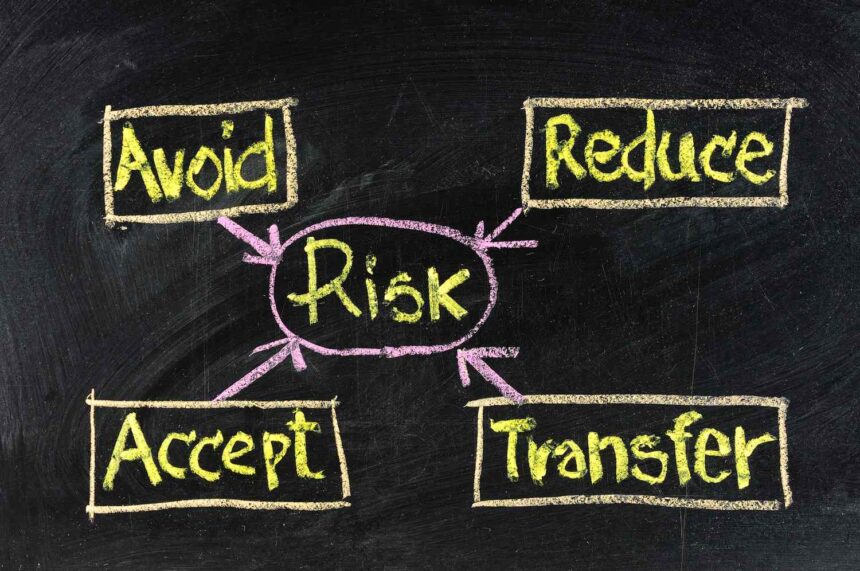
Once risks are identified, the next step is to evaluate their potential impact and likelihood. This assessment enables businesses to prioritize risks and focus resources where they can be most effective. Developing risk mitigation strategies is essential. These strategies may include risk avoidance, risk transfer, risk acceptance, or risk reduction. Each strategy should be carefully considered, aligning with the organization’s overall goals and resources.
Another important aspect is defining clear roles and responsibilities within the risk management framework. Designating individuals or teams accountable for monitoring specific risks ensures that the plan is implemented effectively. It is crucial that these stakeholders understand their roles, as this facilitates timely reporting and response to any emerging threats.
Additionally, the process of monitoring and reviewing the risk management plan is vital. Regular assessments ensure the plan remains relevant and effective in a changing business environment. This involves tracking the effectiveness of mitigation strategies and making adjustments based on new information or shifts in the risk landscape. Furthermore, conducting periodic training and updates for all team members involved in risk management fosters a proactive culture around risk. In conclusion, developing a comprehensive risk management plan is not merely a one-time activity but an ongoing process that is essential for the sustainability and success of a business.
Implementing Risk Management Strategies
Implementing risk management strategies is a critical component of fostering a resilient business environment. When organizations execute their risk management plans, effective communication with stakeholders plays a pivotal role. This communication ensures that all parties are aware of the potential risks, the strategies established to mitigate them, and the roles of each stakeholder in the risk management process. Regular updates, briefings, and discussions should be conducted to maintain transparency and build trust among stakeholders.
Training employees is another essential aspect of successful risk management implementation. Employees must understand the policies laid out in the risk management plan and know how to respond effectively when a risk event occurs. This training should cover not only the identification of risks but also the appropriate actions to take to minimize impacts. It can include simulation exercises, workshops, and the distribution of educational materials. Such training fosters a culture of risk awareness within the organization, prompting employees to remain vigilant and proactive.
Setting up systems for ongoing risk management is equally crucial. This includes establishing a continuous monitoring process to identify emerging risks and promptly update risk assessments. Organizations should leverage technology, like risk management software, to streamline data collection and reporting on risk incidents. Furthermore, businesses must ensure their management approach is adaptable, allowing for adjustments based on the evolving risk landscape. Regular audits of the risk management strategies should also be conducted to assess their effectiveness and introduce modifications as necessary.
In conclusion, the successful implementation of risk management strategies hinges on thorough communication, employee training, and ongoing management systems. By focusing on these key areas, businesses can enhance their ability to identify, manage, and mitigate risks effectively.
Monitoring and Reviewing Risks
Effective management of business risks relies heavily on the continuous monitoring and reviewing of potential and existing threats. This process is essential for ensuring that risk management strategies remain relevant and effective over time. Regularly assessing the risk landscape allows organizations to identify new vulnerabilities, gauge the effectiveness of current strategies, and make necessary adjustments.
Gathering data is critical in this ongoing process. Businesses can utilize various tools and methodologies, including surveys, performance metrics, and industry benchmarks, to obtain valuable insights regarding their risk exposure. This data collection not only highlights areas of concern but also provides a basis for informed decision-making. Organizations can leverage this information to analyze trends, predict future risks, and evaluate the effectiveness of their risk management initiatives.
Moreover, it is essential to establish a structured framework for reviewing risk management strategies. This involves regular meetings within the risk management team to discuss findings, assess changes in risk profiles, and evaluate the effectiveness of mitigation measures. Performance indicators should be developed to track the success of risk management activities, thus ensuring accountability and facilitating improvements.
In order to maintain an adaptive risk management plan, organizations must be open to making adjustments based on their findings. This may involve revising strategies, reallocating resources, or implementing new practices to address emerging risks. The dynamic nature of the business environment requires that risk management plans are flexible enough to accommodate shifting circumstances while maintaining a commitment to minimizing risks.
Case Studies: Successful Risk Management
In the realm of business, managing risks effectively is paramount for ensuring sustainability and fostering growth. Several companies have exemplified outstanding risk management practices, showcasing strategies that not only mitigate potential hazards but also contribute to their overall success. One such instance is the multinational technology company, Microsoft. Faced with the risks associated with data security breaches, the organization implemented a robust risk management framework that included comprehensive cybersecurity measures. Microsoft embraced a proactive approach, regularly updating its security protocols and investing significantly in employee training regarding data protection. This commitment has bolstered customer confidence and further established the company as a leader in privacy and security.
Another remarkable example can be observed in the airline industry, specifically with the Southwest Airlines. The company successfully navigated the challenges posed by fluctuating fuel prices, which have historically presented serious threats to airline margins. In response, Southwest developed a well-defined fuel hedging strategy that allows them to lock in fuel prices for a specified period. This strategy has played a crucial role in shielding the airline from unpredictable price spikes, thereby stabilizing its operational costs and maintaining profitability even in turbulent market conditions.
A different context of risk management is illustrated by the healthcare sector, particularly through the practices adopted by Kaiser Permanente. Recognizing the risks associated with healthcare delivery, Kaiser Permanente implemented an integrated care model that focuses on preventive care and wellness management. This approach not only minimizes clinical risks associated with patient care but also enhances health outcomes and reduces overall healthcare costs. The initiative proved effective during the COVID-19 pandemic, enabling the organization to effectively respond to public health threats while ensuring the safety and well-being of its members.
These examples highlight the significance of strategic risk management in diverse industries. By understanding and addressing the specific risks they face, these companies not only safeguarded their operations but also achieved remarkable growth, demonstrating that effective risk management is a critical component of long-term success.
Conclusion: The Road Ahead in Risk Management
Effective risk management is an essential component for the sustainability and growth of businesses in today’s dynamic environment. Throughout this blog post, we have explored various strategies and frameworks important for identifying, assessing, and mitigating risks that organizations may encounter. One of the key takeaways is that risk management should not be regarded merely as a compliance requirement, but as a strategic tool that can provide a competitive edge.
As we look towards the future, it is evident that trends such as digital transformation, globalization, and evolving regulatory landscapes will significantly shape risk management practices. Businesses must remain vigilant and embrace advanced technologies such as artificial intelligence and data analytics to improve risk assessment and enhance decision-making processes. These innovations can help organizations identify potential risks early and establish robust systems for response and recovery.
Additionally, fostering a culture of risk awareness and resilience within organizations is crucial. Engaging employees at all levels in the risk management dialogue, providing continuous training, and empowering teams to identify and address risks proactively will contribute to a more resilient organization. Collaboration with stakeholders, including suppliers, customers, and regulatory bodies, can also enhance a company’s ability to manage risks effectively.
Ultimately, effective risk management is an ongoing journey rather than a destination. Organizations must adopt a flexible approach to adjust their risk strategies in response to emerging threats and opportunities. By staying informed and adaptable, businesses will position themselves not only to survive but to thrive in an increasingly unpredictable world. In conclusion, companies that prioritize risk management in their strategic planning will be better equipped to navigate uncertainties and emerge stronger from challenges.