

Athletes have used steroids for decades, and the conversation around them is still clouded by myth on one side and outright dismissal on the other. Some people think the risks are wildly exaggerated. Others assume any steroid use leads to immediate catastrophe. The reality sits somewhere more complicated, and understanding it requires looking at what these compounds actually do once they enter the body, not just what the headlines say.
This article walks through the physiological and psychological effects of anabolic steroid use, who tends to use them and why, what the research says about short-term versus long-term consequences, and what happens when someone stops using them. Whether you are an athlete, a coach, a parent, or simply someone curious about the science, the goal here is straightforward: clear, honest information without the scare tactics or the blind eye.
What Anabolic Steroids Actually Are
Anabolic-androgenic steroids, commonly shortened to AAS, are synthetic derivatives of testosterone. The word anabolic refers to tissue building, particularly muscle, while androgenic refers to the development of male sexual characteristics. Both effects happen simultaneously when someone uses these compounds, which is part of why the risk profile is broader than people expect.
Some steroids are prescribed medically. Doctors use them to treat conditions like delayed puberty, muscle-wasting diseases, and certain types of anemia. The steroids that show up in athletic contexts are typically the same or structurally similar compounds, but used in doses far above any therapeutic range. That distinction matters enormously when assessing risk.
Common examples of anabolic steroids used non-medically include testosterone enanthate, nandrolone, stanozolol, and trenbolone. Users often cycle them, meaning they alternate between periods of use and periods off. Many also stack multiple compounds at once, which multiplies both the anabolic effect and the potential for side effects.
Who Uses Steroids and Why
Competitive bodybuilders and professional athletes get most of the attention, but the actual user population is broader. A 2014 meta-analysis published in the Annals of Epidemiology estimated that approximately 3.3 percent of the global population has used anabolic steroids at some point in their lifetime, with men accounting for the vast majority of that figure.
A significant portion of users are recreational gym-goers with no interest in competition. They simply want to look better or get stronger faster than natural training allows. This group is often overlooked in discussions about steroid risks, even though they may be less likely to have medical supervision and more likely to use compounds obtained through informal channels.
- Competitive bodybuilders seeking muscle mass and low body fat simultaneously
- Strength and power athletes such as powerlifters and sprinters
- Recreational gym users focused on aesthetics
- Older men looking to counteract age-related testosterone decline
- Individuals with body dysmorphia, particularly a subtype called muscle dysmorphia
- Military and law enforcement personnel seeking performance advantages
Understanding the motivations behind use helps explain why straightforward warnings often fail to change behavior. For someone whose identity is deeply tied to physical performance or appearance, the abstract risk of future health problems can feel distant compared to the immediate, visible results.
Short-Term Physical Effects
The short-term effects of anabolic steroids are the main reason people use them. Muscle protein synthesis increases, recovery time between training sessions shortens, and users can train harder and more frequently. Strength gains can be dramatic within weeks. These are real, measurable effects, which is exactly why these compounds spread through athletic communities despite the known risks.
On the other side of the ledger, even short-term use begins to affect the endocrine system almost immediately. The body detects elevated androgen levels and responds by reducing its own testosterone production through a feedback loop involving the hypothalamus and pituitary gland. This suppression begins quickly and becomes more pronounced with higher doses and longer cycles.
Skin changes are common early on. Acne, often severe, appears in many users because androgens stimulate sebaceous gland activity. Hair loss accelerates in those genetically predisposed to male-pattern baldness. Mood shifts, including increased irritability and aggression, are reported by a meaningful subset of users, though the severity varies widely between individuals.
Long-Term Health Consequences
The long-term picture is where the risks become substantially more serious. Cardiovascular effects are among the most documented. Research published in Circulation, a journal of the American Heart Association, found that long-term anabolic steroid users had significantly reduced heart function compared to non-users, with left ventricular dysfunction and increased arterial stiffness being common findings.
The liver bears a particular burden, especially with oral steroids that pass through it before reaching systemic circulation. Conditions ranging from elevated liver enzymes to peliosis hepatis, a rare but serious condition involving blood-filled cysts in the liver, have been linked to prolonged oral steroid use.
| System Affected | Common Long-Term Risks | Notes |
| Cardiovascular | Left ventricular hypertrophy, reduced HDL cholesterol, increased clotting risk | Risk increases significantly with dose and duration |
| Endocrine | Testicular atrophy, reduced sperm count, infertility | May be reversible after prolonged abstinence; sometimes permanent |
| Liver | Elevated enzymes, peliosis hepatis, cholestasis | More pronounced with oral 17-alpha alkylated steroids |
| Psychological | Dependence, depression, aggression, mood instability | Psychiatric effects can persist well after stopping use |
| Musculoskeletal | Tendon weakening relative to rapidly gained muscle mass | Increases injury risk despite improved performance metrics |
Psychiatric effects deserve more attention than they typically receive. Dependence on anabolic steroids is a recognized clinical phenomenon. Users can develop a compulsion to continue using that goes beyond rational decision-making, driven partly by the psychological effects of the drugs themselves and partly by the fear of losing gains or facing what stopping feels like.
What Happens When Someone Stops Using Steroids
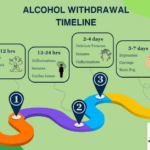
Stopping anabolic steroid use is not simply a matter of putting the substances down and returning to baseline. Because the body has suppressed its own testosterone production during the cycle, there is a period after stopping where natural hormone levels are significantly lower than normal. This gap can last weeks to months depending on how long and how heavily someone was using.
The physical and emotional experience of this period is often described as brutal by those who have gone through it. Fatigue, loss of muscle, reduced libido, and depression are all common. The psychological dimension is particularly challenging because the mood disruption can feel indistinguishable from clinical depression, and for some individuals it crosses into exactly that territory. This is why understanding steroid withdrawal as a genuine physiological and psychological process, rather than a minor inconvenience, is so important for anyone supporting someone through it.
Post-cycle therapy, commonly abbreviated as PCT, is a protocol used in the bodybuilding community to try to accelerate the recovery of natural testosterone production. It typically involves medications like clomiphene or tamoxifen, which stimulate the pituitary to produce luteinizing hormone, which in turn signals the testes to resume testosterone production. The effectiveness of PCT varies, and it is often done without medical oversight, which introduces its own set of risks.
The Psychological Recovery Timeline
Mood typically begins to stabilize as hormone levels recover, but this is not a linear process. Some individuals experience windows of feeling relatively normal followed by dips back into low mood or irritability. For those who used heavily over long periods, full psychological recovery can take six months to a year or longer. During this window, the risk of relapse is real, because returning to steroid use rapidly alleviates the discomfort of withdrawal.
When Medical Support Becomes Necessary
Anyone experiencing severe depression, suicidal ideation, or an inability to function during the post-cycle period should seek medical evaluation promptly. Endocrinologists can assess hormone levels and determine whether intervention is needed. Mental health professionals familiar with substance-related conditions can provide support for the psychological aspects. This is not a situation where toughing it out without help is the only option.
Separating the Science from the Noise
One reason steroid education often fails is that both extremes of the conversation are dishonest. Absolute prohibitionist messaging that treats all steroid use as immediately catastrophic loses credibility with athletes who can see that many users appear fine in the short term. On the other side, the culture within some fitness communities actively downplays risks in ways that leave users genuinely uninformed.
The science supports a more nuanced position. Short-term, low-dose use in otherwise healthy adults carries risks that are real but often manageable with monitoring. Long-term, high-dose use, particularly with multiple compounds stacked together, carries risks that are significantly more serious and in some cases irreversible. Duration and dose matter more than almost any other variable when assessing individual risk.
Regular blood work can catch cardiovascular and liver markers early. Honest conversations with a physician who is not going to immediately dismiss the topic can allow users to make more informed decisions. Harm reduction, while not an endorsement of use, is a more effective framework for actually protecting health than blanket messaging that gets tuned out entirely.
The body responds to anabolic steroids in ways that are both powerful and complex. Muscle grows, performance improves, and then the organism begins to adapt in ways that create their own problems. Knowing what those adaptations look like, and what stopping the cycle actually involves, is the kind of information that helps people make better decisions, whether they are considering use, currently using, or trying to stop. That knowledge is not a substitute for medical guidance, but it is a necessary foundation for any honest conversation about these substances.