

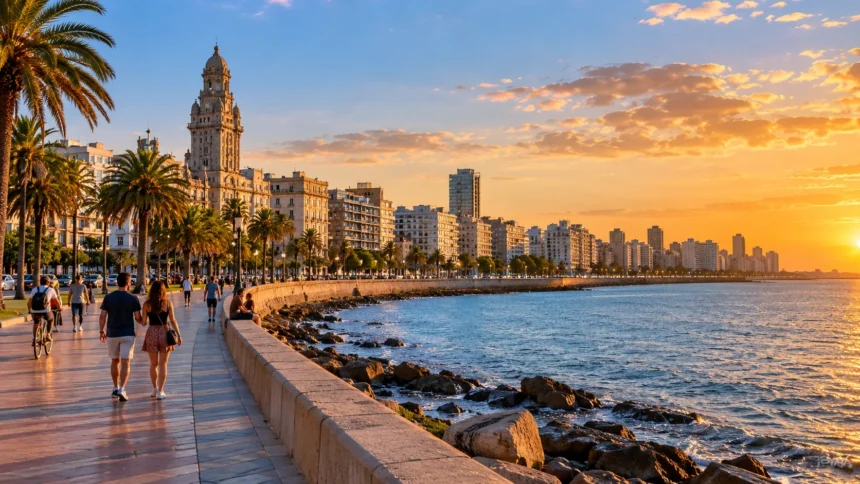
Montevideo is one of South America’s most charming capital cities, known for its beautiful waterfront, historic architecture, peaceful beaches, and rich cultural heritage. As the capital of Uruguay, the city offers travelers a wonderful combination of traditional neighborhoods, modern attractions, and scenic coastal landscapes. This Montevideo travel guide will help you discover the best things to do, famous landmarks, and beautiful places worth exploring.
Located along the Río de la Plata, Montevideo is famous for its long waterfront promenade, lively markets, and relaxed atmosphere. Visitors can explore historic buildings, enjoy traditional Uruguayan food, discover local art, and relax on sandy beaches. The city provides an enjoyable travel experience for history enthusiasts, culture lovers, and visitors seeking a peaceful coastal destination.
In this guide, we will explore Montevideo’s top attractions, popular neighborhoods, cultural landmarks, and outdoor activities. You will also discover the best time to visit, transportation options, and practical travel tips for planning an unforgettable Uruguay vacation.
Why Montevideo Is Worth Visiting
Montevideo is an attractive destination because it combines historic architecture, coastal scenery, and a distinctive South American culture. Unlike some larger capital cities, Montevideo offers a relatively relaxed atmosphere that makes exploring its neighborhoods enjoyable. Travelers can discover beautiful public squares, traditional markets, museums, and waterfront attractions within one city.
Another reason Montevideo stands out is its rich cultural heritage. The city is known for candombe music, tango traditions, theater, literature, and colorful carnival celebrations. Visitors can experience these cultural influences through museums, performances, historic neighborhoods, and community events that reflect Uruguay’s identity.
Montevideo also offers excellent opportunities for sightseeing and outdoor recreation. Its famous Rambla stretches along the waterfront, connecting beaches, parks, and residential neighborhoods. Whether you enjoy walking beside the water, discovering historical landmarks, or exploring local cuisine, Montevideo provides memorable experiences for different travel preferences.
Explore Ciudad Vieja: Montevideo’s Historic Old Town
Ciudad Vieja is one of the most important places to visit in Montevideo because it represents the city’s historic center. This charming neighborhood features colonial-era architecture, narrow streets, beautiful plazas, and cultural landmarks. Its historic buildings offer visitors a fascinating introduction to Uruguay’s architectural and political heritage.
Travelers can explore pedestrian streets, visit small museums, admire decorative facades, and discover local shops. Sarandí Street is one of the area’s best-known pedestrian routes, connecting several important attractions. The surrounding streets also contain galleries, bookstores, and cafes that contribute to the neighborhood’s distinctive character.
Ciudad Vieja is particularly enjoyable during the day when many museums, shops, and cultural attractions are open. Visitors should allow enough time to explore its landmarks without rushing. Comfortable walking shoes and awareness of local surroundings can help make the experience more convenient and enjoyable.
Visit Plaza Independencia: The Heart of Montevideo
Plaza Independencia is one of Montevideo’s most recognizable public spaces and an essential destination for first-time visitors. Located between Ciudad Vieja and the central commercial district, this impressive square is surrounded by important historical buildings. Its spacious layout makes it an excellent starting point for exploring the capital.
At the center of the square stands a monument dedicated to José Gervasio Artigas, an important figure in Uruguay’s history. The surrounding area features architectural landmarks, including Palacio Salvo and Teatro Solís. Visitors can appreciate the buildings, explore the public space, and learn about significant events in Uruguay’s development.
Plaza Independencia also provides convenient access to nearby shopping streets and historic attractions. Its central location makes it suitable for a relaxed sightseeing walk through Montevideo’s older districts. Visiting during daylight hours offers excellent opportunities for photography and appreciating the square’s impressive surroundings.
Discover Palacio Salvo: An Iconic Architectural Landmark
Palacio Salvo is one of Montevideo’s most famous buildings and a symbol of the city’s architectural heritage. Located beside Plaza Independencia, this distinctive structure was completed in 1928. Its unusual design combines several architectural influences, making it one of the most recognizable landmarks in Uruguay.
The building was designed by architect Mario Palanti and originally represented an ambitious urban development project. For a period, it was among the tallest buildings in South America. Its decorative exterior, distinctive tower, and prominent location continue to attract visitors interested in architecture and urban history.
Travelers can admire Palacio Salvo from Plaza Independencia and surrounding streets. Guided visits may be available depending on current arrangements and building access. Photographing the structure from different viewpoints helps capture its unusual design and impressive presence within Montevideo’s historic cityscape.
Visit Teatro Solís: A Historic Cultural Treasure
Teatro Solís is one of Montevideo’s most important cultural landmarks and among the best-known historic theaters in South America. Opened in 1856, this beautiful building is celebrated for its neoclassical architecture and artistic heritage. It remains an important center for theater, music, and performing arts in Uruguay.
Visitors interested in architecture can admire the theater’s elegant exterior and carefully designed interior spaces. Guided tours may provide opportunities to learn about its construction, historical development, and cultural significance. The theater also hosts performances and artistic events that showcase both local and international talent.
Teatro Solís is conveniently located near Plaza Independencia, making it easy to include in a historic walking itinerary. Travelers interested in attending a performance should review the current event schedule before visiting. Experiencing this landmark offers valuable insight into Montevideo’s long tradition of performing arts.
Walk Along La Rambla: Montevideo’s Beautiful Waterfront
La Rambla is one of Montevideo’s most famous attractions and an essential experience for visitors. This extensive coastal promenade stretches for approximately 30 kilometers along the Río de la Plata. It connects beaches, parks, residential neighborhoods, and scenic waterfront areas throughout the city.
Visitors can enjoy walking, cycling, photography, and relaxing beside the water. The promenade offers beautiful views of the coastline and provides opportunities to observe everyday life in Montevideo. Local residents frequently use the area for recreation, making it an excellent place to experience the city’s relaxed atmosphere.
Sunset is a particularly attractive time to explore sections of La Rambla because the changing light creates beautiful waterfront scenery. Travelers can choose shorter walking routes near popular beaches or explore different sections over several days. Following pedestrian and cycling signs helps make the experience comfortable for everyone.
Relax at Playa Pocitos: A Popular Urban Beach
Playa Pocitos is one of Montevideo’s most popular beaches and a favorite destination for residents and visitors. Located in the Pocitos neighborhood, this sandy shoreline offers attractive views of the Río de la Plata. Its convenient location near restaurants, shops, and residential streets makes it easily accessible.
Visitors can enjoy sunbathing, beach walks, and relaxing beside the water during suitable weather. Swimming conditions depend on seasonal water quality, weather, and local advisories. The surrounding promenade also provides space for walking and appreciating the coastal landscape without entering the water.
Pocitos is especially lively during summer when warm temperatures attract people to the waterfront. The neighborhood offers numerous dining and shopping opportunities, making it suitable for spending several hours. Combining beach relaxation with nearby sightseeing creates an enjoyable urban coastal experience.
Discover Playa Ramírez and Parque Rodó
Playa Ramírez is another attractive beach located near Montevideo’s popular Parque Rodó neighborhood. The beach features a sandy shoreline and pleasant waterfront scenery, making it a convenient destination for visitors exploring the surrounding area. Its central location allows travelers to combine coastal sightseeing with park activities.
Nearby Parque Rodó is one of Montevideo’s most recognizable green spaces. It features landscaped grounds, walking paths, trees, and recreational areas where residents gather throughout the year. Visitors can enjoy peaceful walks, admire the surroundings, and discover nearby cultural attractions.
The combination of Playa Ramírez and Parque Rodó makes this area particularly appealing for families and travelers seeking outdoor relaxation. Restaurants and other facilities are available in the surrounding neighborhood. Checking beach conditions and allowing enough time for a park walk helps create a balanced sightseeing experience.
Visit Mercado del Puerto: Traditional Food and History
Mercado del Puerto is one of Montevideo’s most famous historic markets and a popular destination for experiencing local food culture. Located in Ciudad Vieja near the port, this traditional market building is known for its distinctive iron architecture. Its lively atmosphere attracts travelers interested in Uruguayan cuisine and historic surroundings.
The market contains restaurants and food establishments associated with traditional Uruguayan cooking. Visitors can discover local dishes, observe the historic building’s interior, and enjoy the surrounding neighborhood. Grilled meat dishes are especially prominent, reflecting an important part of Uruguay’s culinary traditions.
Mercado del Puerto is an excellent stop during a walking tour of Ciudad Vieja. Its historic setting provides an interesting combination of architecture, food, and everyday cultural experiences. Visiting around lunchtime can be convenient, although operating hours and restaurant availability may vary.
Explore Mercado Agrícola de Montevideo
Mercado Agrícola de Montevideo, commonly called MAM, is an important indoor market located in the Goes neighborhood. This historic market has been renovated into a vibrant space containing food vendors, shops, and dining establishments. Its attractive architecture makes it an enjoyable destination for travelers interested in local markets.
Visitors can explore stalls selling fresh produce, specialty foods, and other products associated with Uruguayan daily life. The market also provides opportunities to enjoy casual meals and discover regional flavors. Its covered setting makes it particularly useful when rainy weather affects outdoor sightseeing plans.
MAM offers a different experience from the more tourist-oriented Mercado del Puerto. It provides opportunities to observe local shopping traditions while appreciating a restored historic building. Travelers can include the market in a wider itinerary exploring Montevideo’s neighborhoods and architectural landmarks.
Visit the National Museum of Visual Arts
The National Museum of Visual Arts is one of Uruguay’s leading art institutions and a rewarding destination for culture enthusiasts. Located within the Parque Rodó area, the museum houses collections representing important periods of Uruguayan artistic development. Its exhibitions provide an introduction to the country’s visual arts heritage.
Visitors can discover paintings, sculptures, and works by prominent Uruguayan artists. Exhibitions may include pieces connected with the country’s cultural history and artistic movements. The museum’s collections offer opportunities to understand how different artists interpreted Uruguay’s landscapes, communities, and changing society.
The museum is conveniently located near other attractions in Parque Rodó, allowing travelers to combine indoor cultural experiences with outdoor sightseeing. Checking current exhibition schedules and opening hours is recommended before visiting. Spending time here provides a deeper appreciation of Montevideo’s creative and artistic identity.
Discover the Historic Palacio Legislativo
Palacio Legislativo is one of Montevideo’s most impressive architectural landmarks and serves as the seat of Uruguay’s parliament. The building is known for its monumental design, decorative stonework, and grand appearance. Its prominent position makes it a memorable attraction for visitors interested in government history and architecture.
Construction began in the early twentieth century, and the building was inaugurated in 1925. Its architecture reflects classical influences and includes elaborate interior spaces. Visitors can appreciate the exterior from surrounding public areas, while guided visits may provide additional insight into its historical and political significance.
Palacio Legislativo is an excellent destination for architecture enthusiasts and travelers wanting to understand Uruguay’s national institutions. The building’s impressive facade offers attractive photography opportunities. Checking current tour availability and access arrangements helps visitors plan a meaningful experience.
Explore the Historic Neighborhood of Prado
Prado is one of Montevideo’s beautiful residential neighborhoods, known for its green spaces, historic homes, and peaceful atmosphere. Located away from the busiest central districts, it offers a quieter sightseeing experience. Its traditional architecture and landscaped areas create an appealing destination for visitors interested in local urban history.
The neighborhood contains several notable attractions, including botanical gardens and historic cultural spaces. Visitors can enjoy walking through green areas, admiring mature trees, and discovering traditional residential architecture. The surrounding environment provides a refreshing contrast to Montevideo’s busy shopping streets.
Prado is particularly enjoyable during mild weather when outdoor walks are comfortable. Travelers can include the neighborhood in an afternoon itinerary focused on parks and architecture. Exploring less crowded residential districts provides opportunities to appreciate another side of Montevideo’s everyday character.
Visit Fortaleza del Cerro for Panoramic Views
Fortaleza del Cerro is a historic fortress situated on a prominent hill overlooking Montevideo Bay. Built during the colonial period, the fortress played an important role in protecting the city’s harbor. Its elevated position provides impressive views of the surrounding landscape and waterfront.
The site is closely connected with Montevideo’s early military history and contains historic architectural features. Visitors can appreciate the fortress’s strategic location while learning about its role in the development of the city. The surrounding views highlight the importance of the bay and port.
Because the fortress is located away from the central tourist districts, visitors should plan transportation carefully. Access arrangements and opening hours can change, so checking current visitor information is useful. Traveling through reputable transportation services helps make the visit more convenient.
Discover Montevideo’s Famous Candombe Culture
Candombe is an important part of Uruguay’s cultural heritage and is especially associated with Montevideo’s Afro-Uruguayan communities. This musical tradition features distinctive drumming rhythms and has deep historical roots. It remains an important form of cultural expression during community celebrations and public performances.
Neighborhoods such as Barrio Sur and Palermo are closely connected with candombe traditions. Visitors may encounter cultural events, musical performances, and community celebrations depending on the season. Learning about the tradition provides valuable insight into the contributions of Afro-Uruguayan communities to the country’s identity.
Travelers should approach cultural activities respectfully and recognize their importance to local residents. Organized performances and museums can provide opportunities to learn more about candombe’s history. Experiencing Montevideo’s music traditions adds another dimension to a visit beyond its famous architecture and waterfront.
Explore Punta Carretas and Its Coastal Attractions
Punta Carretas is one of Montevideo’s well-known neighborhoods, offering a combination of coastal scenery, restaurants, and shopping destinations. Located near Pocitos and Parque Rodó, it provides convenient access to several popular attractions. Its attractive streets and waterfront location make it enjoyable for sightseeing.
Visitors can explore the surrounding commercial areas, discover local restaurants, and appreciate nearby coastal views. Punta Carretas Lighthouse is one of the neighborhood’s recognizable landmarks, located close to the waterfront. The surrounding area offers opportunities for photography and relaxing walks.
Punta Carretas is a practical destination for travelers who want to experience modern Montevideo while remaining close to natural scenery. Its restaurants and shopping facilities provide additional activities during rainy weather. Combining this neighborhood with nearby beaches creates a comfortable afternoon itinerary.
Enjoy Traditional Uruguayan Food in Montevideo
Montevideo provides excellent opportunities to discover traditional Uruguayan cuisine. The country’s food culture reflects European influences, local agricultural traditions, and regional ingredients. Visitors can explore restaurants, bakeries, and markets serving dishes that have become important parts of everyday life.
Popular foods include chivito sandwiches, empanadas, milanesas, and various grilled dishes. Travelers can also discover local desserts such as alfajores and pastries featuring dulce de leche. Traditional cafes provide opportunities to appreciate Montevideo’s relaxed dining atmosphere while exploring different neighborhoods.
Food markets and established restaurants offer convenient starting points for experiencing local flavors. Visitors with dietary preferences can look for suitable menus and ask about ingredients. Enjoying local cuisine is a rewarding way to learn about Uruguay’s cultural influences and regional traditions.
Best Time to Visit Montevideo for Sightseeing
The best time to visit Montevideo is generally during spring or early autumn, when temperatures are comfortable for walking and sightseeing. September through November brings increasingly pleasant weather, while March and April often provide mild conditions. These periods can be particularly attractive for exploring historic neighborhoods and outdoor landmarks.
Summer runs from December through February and attracts visitors interested in beaches and waterfront activities. Temperatures are generally warmer, and coastal areas become lively during holidays. However, accommodation demand and visitor numbers may increase during popular vacation periods.
Winter occurs from June through August and brings cooler temperatures, shorter days, and occasional rainy weather. Although beach activities become less appealing, museums and cultural attractions remain enjoyable. Choosing the right season depends on whether travelers prioritize coastal relaxation, comfortable sightseeing, or quieter travel conditions.
How Many Days Do You Need in Montevideo?
Two to three days can provide enough time to explore many of Montevideo’s major attractions. Visitors can spend one day discovering Ciudad Vieja, Plaza Independencia, and Mercado del Puerto. Another day can focus on La Rambla, Pocitos Beach, and nearby cultural landmarks.
Travelers with four or five days can explore additional neighborhoods, museums, and green spaces at a slower pace. Attractions such as Palacio Legislativo, Prado, and Fortaleza del Cerro provide opportunities to discover more of the city’s history. Extra time also allows visitors to enjoy local restaurants and cultural activities.
Montevideo can also serve as a starting point for visiting other destinations in Uruguay. Travelers may consider extending their vacation to coastal towns or historic communities elsewhere in the country. Planning realistic travel distances helps create an enjoyable itinerary without unnecessary rushing.
Important Travel Tips for Visiting Montevideo
Montevideo is relatively easy to explore because many central attractions are connected by walkable streets and public transportation. Buses and authorized taxi services provide options for traveling between neighborhoods. Visitors should plan routes carefully when visiting attractions located farther from the historic center.
Spanish is Uruguay’s official language, although some people working in tourism may speak English. Learning a few basic Spanish phrases can help with restaurants, transportation, and everyday interactions. Carrying an appropriate payment method and checking local business hours can also improve convenience.
Travelers should use normal precautions when exploring unfamiliar areas, particularly after dark. Keeping valuables secure and choosing reputable transportation services are sensible practices. Checking current travel requirements, seasonal weather, and attraction schedules before departure helps make a Montevideo vacation smoother and more enjoyable.
Conclusion
Montevideo offers a wonderful combination of historic architecture, beautiful waterfront scenery, cultural attractions, and traditional Uruguayan experiences. From the charming streets of Ciudad Vieja to Plaza Independencia and the famous Rambla, the city provides memorable sightseeing opportunities. Its relaxed atmosphere makes it an appealing destination for travelers exploring South America.
Visitors can discover fascinating landmarks such as Palacio Salvo, Teatro Solís, and Palacio Legislativo while enjoying beaches and local markets. Cultural experiences involving art, music, and traditional food reveal different aspects of Uruguay’s identity. Exploring several neighborhoods allows travelers to appreciate both the historic and modern sides of the capital.
Before visiting Montevideo, consider seasonal weather, accommodation, transportation, and the attractions that interest you most. Allow enough time to enjoy the city without rushing between destinations. With thoughtful planning, a Montevideo vacation can provide beautiful scenery, rewarding cultural discoveries, and unforgettable memories.
Frequently Asked Questions
What is Montevideo best known for?
Montevideo is best known for its beautiful Rambla waterfront, historic Ciudad Vieja, Plaza Independencia, traditional food, and cultural heritage. Its relaxed coastal atmosphere makes it one of Uruguay’s most appealing destinations.
How many days are enough to visit Montevideo?
Two to three days are generally enough to explore the major landmarks, historic neighborhoods, and waterfront attractions. Four or five days allow additional time for museums, markets, and relaxed sightseeing.
What is the best month to visit Montevideo?
October, November, March, and April are often excellent months for comfortable sightseeing. Travelers interested in beaches may prefer December through February, when the weather is generally warmer.
Is Montevideo worth visiting for tourists?
Yes, Montevideo offers historic architecture, scenic beaches, cultural museums, local markets, and traditional Uruguayan experiences. It is particularly appealing to travelers who enjoy relaxed cities and coastal sightseeing.
What are the best free things to do in Montevideo?
Popular free activities include walking along La Rambla, exploring Plaza Independencia, visiting public parks, and relaxing at accessible beaches. Some museums and historic attractions may charge admission.







