

Stopping alcohol after prolonged heavy use sounds straightforward. Just stop drinking. But for a significant number of people, that decision can trigger a medical crisis that ranges from deeply uncomfortable to genuinely life-threatening. Understanding what actually happens inside the body during alcohol withdrawal, and why, is the kind of knowledge that can change outcomes for people and their families.
This article walks through the biology behind withdrawal, what symptoms to expect at each stage, which warning signs demand immediate attention, and what current medical approaches look like for managing detox safely. Whether you are supporting a loved one, doing research for yourself, or simply curious about the science, this breakdown covers the essentials without unnecessary jargon.
Why Alcohol Withdrawal Happens at All
Alcohol is a central nervous system depressant. When someone drinks heavily and consistently over weeks, months, or years, the brain adapts to that constant suppression. It compensates by increasing the activity of excitatory neurotransmitters, particularly glutamate, and reducing the sensitivity of inhibitory pathways that rely on gamma-aminobutyric acid, commonly known as GABA. The brain is essentially working harder to stay alert and functional despite the alcohol.
When alcohol is removed suddenly, all of that compensatory excitation remains, but the calming influence of alcohol is gone. The nervous system swings into a hyperactive state. Heart rate climbs. Blood pressure rises. The brain becomes prone to abnormal electrical activity. This is not a behavioral issue or a matter of willpower. It is a physiological rebound that follows predictable patterns in most people.
The Three Stages of Alcohol Withdrawal
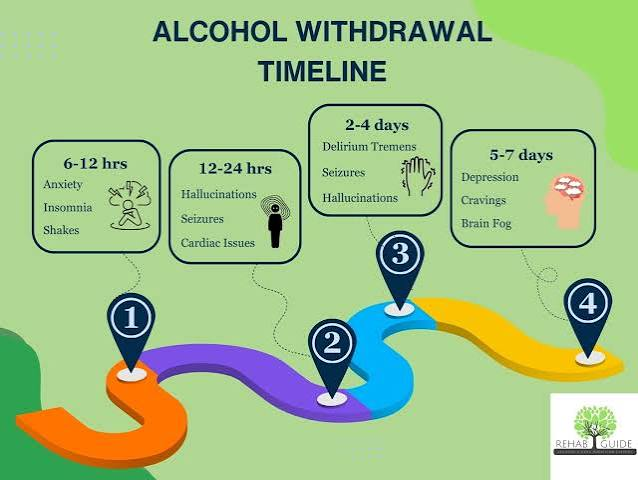
Withdrawal typically unfolds in stages tied to the hours and days after the last drink. The timeline varies based on how long and how heavily someone drank, their age, their general health, and whether they have gone through withdrawal before. That last factor matters more than many people realize.
| Stage | Typical Onset After Last Drink | Common Symptoms |
| Stage 1 (Mild) | 6 to 12 hours | Anxiety, tremors, sweating, nausea, headache, insomnia |
| Stage 2 (Moderate) | 12 to 48 hours | Elevated blood pressure and heart rate, confusion, mild fever, heightened tremors |
| Stage 3 (Severe) | 24 to 72 hours | Seizures, hallucinations, delirium tremens (DTs), extreme agitation |
Stage one symptoms can feel like a bad flu combined with significant anxiety. People often mistake this phase for a rough hangover. Stage two pushes into more measurable physical instability. By stage three, the risks become serious enough that untreated withdrawal carries a mortality rate that some older studies estimate at 5 to 15 percent for delirium tremens specifically, though modern medical management has reduced that figure substantially when treatment is available.
Delirium Tremens: The Most Dangerous Outcome
Delirium tremens, abbreviated as DTs, is the most severe form of alcohol withdrawal syndrome. It does not affect everyone who stops drinking. Research suggests it occurs in roughly 3 to 5 percent of people experiencing withdrawal, according to data cited by the National Institute on Alcohol Abuse and Alcoholism. But the people in that percentage face a genuinely dangerous medical emergency.
The hallmarks of DTs include profound confusion, severe agitation, fever, excessive sweating, and vivid hallucinations that can be visual, auditory, or tactile. Some people describe insects crawling on their skin. Others see figures that are not there. The body’s temperature regulation breaks down. Cardiovascular stress intensifies. Seizures can occur in clusters. Without proper medical care, the risk of death from cardiovascular collapse, aspiration, or hyperthermia is real.
DTs most commonly appear between 48 and 96 hours after the last drink, which means someone might feel stable for the first day or two and then deteriorate rapidly. This delayed peak is one of the reasons medical supervision throughout the full withdrawal window is so important.
Who Is at Highest Risk for Severe Withdrawal
Not everyone who reduces or stops drinking will experience serious withdrawal. Social drinkers cutting back for a month generally do not face the risks described above. The danger is concentrated among people with specific patterns of use and physical history. Knowing these risk factors helps people and clinicians make better decisions about the level of care needed.
- Long duration of heavy daily drinking, typically years rather than weeks
- High daily alcohol consumption, often exceeding ten or more standard drinks per day
- History of previous withdrawal episodes, especially those involving seizures or DTs
- Older age, which correlates with reduced physiological reserve
- Co-occurring medical conditions such as liver disease, cardiovascular problems, or nutritional deficiencies
- Use of other substances that affect the central nervous system
- Poor baseline nutrition, particularly thiamine deficiency, which is common in people with alcohol use disorder
The phenomenon called kindling deserves specific mention. Each time someone goes through alcohol withdrawal, the nervous system becomes slightly more sensitized to it. Subsequent withdrawal episodes can be more severe than earlier ones, even if drinking patterns have not dramatically changed. This is one of the reasons medical professionals discourage repeated unsupervised attempts at quitting.
Medical Approaches to Managing Withdrawal
The standard of care for moderate to severe alcohol withdrawal involves benzodiazepines, a class of medications that work on the same GABA pathways that alcohol affects. By temporarily substituting a controlled, tapering dose of a benzodiazepine, clinicians can calm the overexcited nervous system and reduce the risk of seizures and DTs significantly. Diazepam and lorazepam are among the most commonly used options, each with slightly different pharmacological profiles suited to different patient needs.
Beyond benzodiazepines, supportive care typically includes intravenous fluids to address dehydration, electrolyte replacement, and thiamine supplementation. Thiamine deficiency in people with long-term alcohol use disorder can lead to Wernicke encephalopathy, a serious neurological condition, so supplementation is considered a basic precaution rather than an optional add-on.
For people whose withdrawal is assessed as mild, outpatient or ambulatory detox may be appropriate with the right monitoring and support structure. For those at moderate to high risk, inpatient medically supervised detox is generally the safer path. Comprehensive treatment programs that combine medical detox with psychological support and ongoing care planning offer the most complete framework for recovery. Resources like https://opustreatment.com/ provide detailed information about what structured, medically supervised treatment actually involves, which can help people and families evaluate their options with more confidence.
What Happens After the Acute Phase
Surviving the acute withdrawal window is a real achievement, but it is not the end of the physiological story. A condition called post-acute withdrawal syndrome, often referred to as PAWS, can persist for weeks or even months after the last drink. It does not carry the same medical emergency risks as acute withdrawal, but it significantly affects daily functioning and is a major contributor to relapse.
PAWS symptoms tend to be more psychological and neurological than physical. They include mood instability, difficulty concentrating, disrupted sleep, persistent anxiety, and a general sense of mental fog. The brain is still recalibrating its neurochemistry, and that process takes time. Understanding this phase can help people interpret their own experience more accurately during early recovery rather than assuming something is permanently wrong.
The Role of Nutrition in Recovery
Nutritional rehabilitation often gets less attention than it deserves in discussions of alcohol withdrawal recovery. Chronic heavy drinking depletes B vitamins, magnesium, zinc, and other micronutrients that the nervous system depends on. Restoring these through diet and supplementation does not just support physical health. It can meaningfully affect mood stability, sleep quality, and cognitive clarity during the months following detox.
Behavioral Health and Longer-Term Support
Detox addresses the physical dependence, but alcohol use disorder has psychological and social dimensions that detox alone does not resolve. Evidence-based behavioral therapies, including cognitive behavioral therapy and motivational enhancement therapy, have strong track records for supporting sustained recovery. Medication-assisted treatment options such as naltrexone and acamprosate have also shown real-world effectiveness in reducing cravings and relapse rates, according to research published in journals including JAMA and Addiction.
A Final Word on Taking Withdrawal Seriously
Alcohol withdrawal is one of the few withdrawal syndromes that can be directly fatal, which sets it apart from many other substances. Opioid withdrawal, while agonizing, is rarely life-threatening in otherwise healthy adults. Alcohol withdrawal can be, and that distinction matters. Anyone who suspects they or someone they care about may be at risk for significant withdrawal symptoms should treat this as a medical situation from the start, not something to manage quietly at home with willpower and hydration. The science of how withdrawal works is well understood, the medical tools to manage it are effective, and access to proper care genuinely changes the trajectory for most people who seek it.