

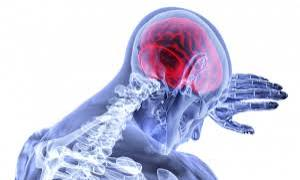
Some people finish a brutal marathon and describe it as the best day of their lives. Others dread a routine blood draw for weeks beforehand. Same species, wildly different relationships with discomfort. Pain is one of the most universal human experiences, yet it is also one of the most deeply personal, shaped by biology, memory, culture, and the stories we tell ourselves about what suffering means.
This article walks through the core psychology of pain perception: why thresholds vary so much between individuals, how the brain interprets physical signals, what role emotional context plays, and why understanding all of this actually matters for mental and physical health. Whether you are curious about your own reactions or trying to make sense of someone else’s, the science here offers real answers.
What Pain Actually Is (And What It Is Not)
A common misconception is that pain is simply a direct readout of tissue damage. Touch a hot stove, nerve fires, brain registers injury. That model is far too simple. Pain is an output of the brain, not a direct input from the body. It is the brain’s best guess about whether a threat is real and how seriously it should be taken.
The International Association for the Study of Pain defines pain as ‘an unpleasant sensory and emotional experience associated with, or resembling that associated with, actual or potential tissue damage.’ Notice that phrasing: potential tissue damage. You can feel genuine, intense pain with no injury at all, and you can have significant injury with very little pain, depending on context. Soldiers in combat sometimes report noticing a wound only after the adrenaline fades. The brain had other priorities.
This is why pain science has shifted dramatically over the past few decades. Researchers now understand that nociception, the detection of harmful stimuli by nerve endings, and the actual experience of pain are two separate events. Nociception can occur without pain. Pain can occur without nociception. The brain mediates everything in between.
Why Pain Thresholds Differ So Much Between People
If you have ever been told you have a high pain tolerance, or suspected a friend was being dramatic about a minor injury, you were witnessing real biological and psychological variation. Pain threshold, the point at which a stimulus is first perceived as painful, and pain tolerance, the maximum level a person can endure, are both influenced by a range of factors.
- Genetics: Variants in genes like COMT affect how dopamine and norepinephrine are processed, which in turn influences pain sensitivity. Research published in the journal Pain has linked specific genetic profiles to measurably higher or lower thresholds.
- Sex and hormonal variation: Estrogen and testosterone interact with pain-modulating systems differently. Studies consistently find that, on average, women report lower pain thresholds than men, though overlap between groups is enormous.
- Prior pain experiences: Repeated exposure to pain can sensitize the nervous system over time, a process called central sensitization, making future pain signals feel amplified.
- Psychological state: Anxiety and depression reliably lower pain tolerance. Fear of pain, specifically, is one of the strongest predictors of how much pain a person will actually experience during a procedure.
- Cultural and social context: Research by Dr. Ronald Melzack, who co-developed the Gate Control Theory of Pain, highlighted how cultural attitudes toward expressing pain shape both the reporting and the subjective experience of it.
- Attention and distraction: Focusing on pain increases its intensity. Distraction, even something as simple as watching a funny video, measurably reduces pain perception in controlled studies.
None of these factors make someone’s pain more or less ‘real.’ They explain why the same sprained ankle can sideline one person for a week and barely slow another one down. Both experiences are neurologically valid.
The Brain Regions Involved in Processing Pain
Pain does not live in one place in the brain. It is processed across a network sometimes called the pain matrix, involving multiple structures that handle different aspects of the experience.
| Brain Region | Role in Pain Processing |
| Somatosensory Cortex | Identifies location and intensity of the physical sensation |
| Anterior Cingulate Cortex | Processes the emotional and motivational aspects of pain, the ‘suffering’ component |
| Prefrontal Cortex | Involved in cognitive appraisal, meaning-making, and modulation of pain response |
| Amygdala | Links pain with fear and threat responses, influences anticipatory anxiety about pain |
| Periaqueductal Gray (PAG) | Central hub for descending pain modulation; involved in endorphin-based pain relief |
| Insula | Integrates sensory and emotional information; contributes to the subjective unpleasantness of pain |
The anterior cingulate cortex is particularly interesting. In rare cases where it has been damaged or surgically altered, patients report they can still feel the sensation of pain but no longer find it bothersome. They describe it almost neutrally. This tells us that the suffering quality of pain is separate from the sensory detection itself, a distinction with significant implications for pain treatment and psychology.
Emotional Context Shapes Physical Experience
One of the more surprising findings in pain research is how powerfully meaning and expectation alter the physical experience. A placebo injection of saline can produce measurable pain relief, not because patients are pretending, but because the expectation of relief triggers the brain’s own opioid systems. Real neurochemical changes happen in response to belief.
The opposite effect, called the nocebo effect, is equally real. Telling someone a procedure will hurt intensely tends to make it hurt more. Negative expectation amplifies the signal. Hospitals that have shifted toward neutral or positive framing before procedures report lower patient-reported pain scores, without changing anything about the physical intervention itself.
This is also where psychology intersects with some of the more complex aspects of human behavior. The relationship between pain and pleasure is more intricate than a simple opposition; context, control, and meaning can shift how the nervous system interprets the same physical stimulus entirely.
Chronic pain conditions like fibromyalgia, complex regional pain syndrome, and persistent low back pain are particularly illustrative here. In these conditions, the nervous system has often become dysregulated in ways that produce genuine suffering without a clear ongoing tissue injury. Treating only the physical site without addressing the psychological and emotional dimensions tends to produce limited results. That is not a judgment on the patient; it is a reflection of how deeply integrated these systems are.
Chronic Versus Acute Pain: A Critical Distinction
Acute pain is the kind that arrives suddenly, signals something specific, and resolves when the underlying issue resolves. You twist your ankle, it hurts, you rest it, it heals. The pain served its purpose.
Chronic pain is categorically different. It is generally defined as pain lasting longer than three months, often persisting well beyond any tissue healing window. According to the Centers for Disease Control and Prevention, approximately 20.9 percent of U.S. adults experienced chronic pain in 2021, and 6.9 percent had high-impact chronic pain that limited major life activities on most days.
Chronic pain frequently involves changes to the central nervous system itself, not just ongoing damage at a peripheral site. The nervous system becomes sensitized, thresholds drop, and stimuli that would ordinarily be harmless begin registering as threatening. This is why multidisciplinary approaches, combining physical treatment, psychological support, and sometimes lifestyle intervention, consistently outperform single-modality approaches in clinical trials.
The Mental Health Connection
The bidirectional relationship between chronic pain and mental health is well established. Depression and anxiety do not just accompany chronic pain; they actively worsen it through shared neurological pathways. Serotonin and norepinephrine, neurotransmitters central to mood regulation, also play roles in descending pain modulation. This is partly why certain antidepressants are used as pain treatments, not because the pain is imagined, but because the chemistry overlaps.
Cognitive behavioral therapy has strong evidence behind it for chronic pain management. It does not eliminate the sensation, but it changes the relationship a person has with that sensation, reducing catastrophizing, improving function, and often lowering reported pain intensity over time.
Practical Takeaways From Pain Science
Understanding pain as a biopsychosocial experience rather than a purely mechanical one has direct practical value. Here are some evidence-based insights that apply broadly.
- Reframing pain as information rather than damage alone can reduce its intensity. This is not denial; it is accurate neuroscience that gives the brain permission to lower threat levels.
- Movement, where physically appropriate, is often better for chronic pain than rest. Avoiding movement out of fear reinforces the brain’s threat signal and can worsen central sensitization over time.
- Sleep quality has a strong effect on pain thresholds. Even partial sleep deprivation measurably lowers tolerance the following day, according to research from the Sleep Research Society.
- Social connection acts as a natural buffer against pain. Loneliness and social isolation, by contrast, amplify it. The mechanisms involve both psychological and neuroimmune pathways.
- Mindfulness-based stress reduction has shown consistent results in clinical trials for reducing the subjective intensity of chronic pain, with effects maintained at follow-up periods of six months or more.
The science of pain perception has come a long way from purely mechanical models, and that progress benefits everyone trying to understand their own body or support someone who lives with persistent discomfort. Pain is real, it is complex, and it is far more responsive to psychological and contextual factors than most people are taught to expect. That understanding, more than any single treatment, is often where meaningful relief begins.