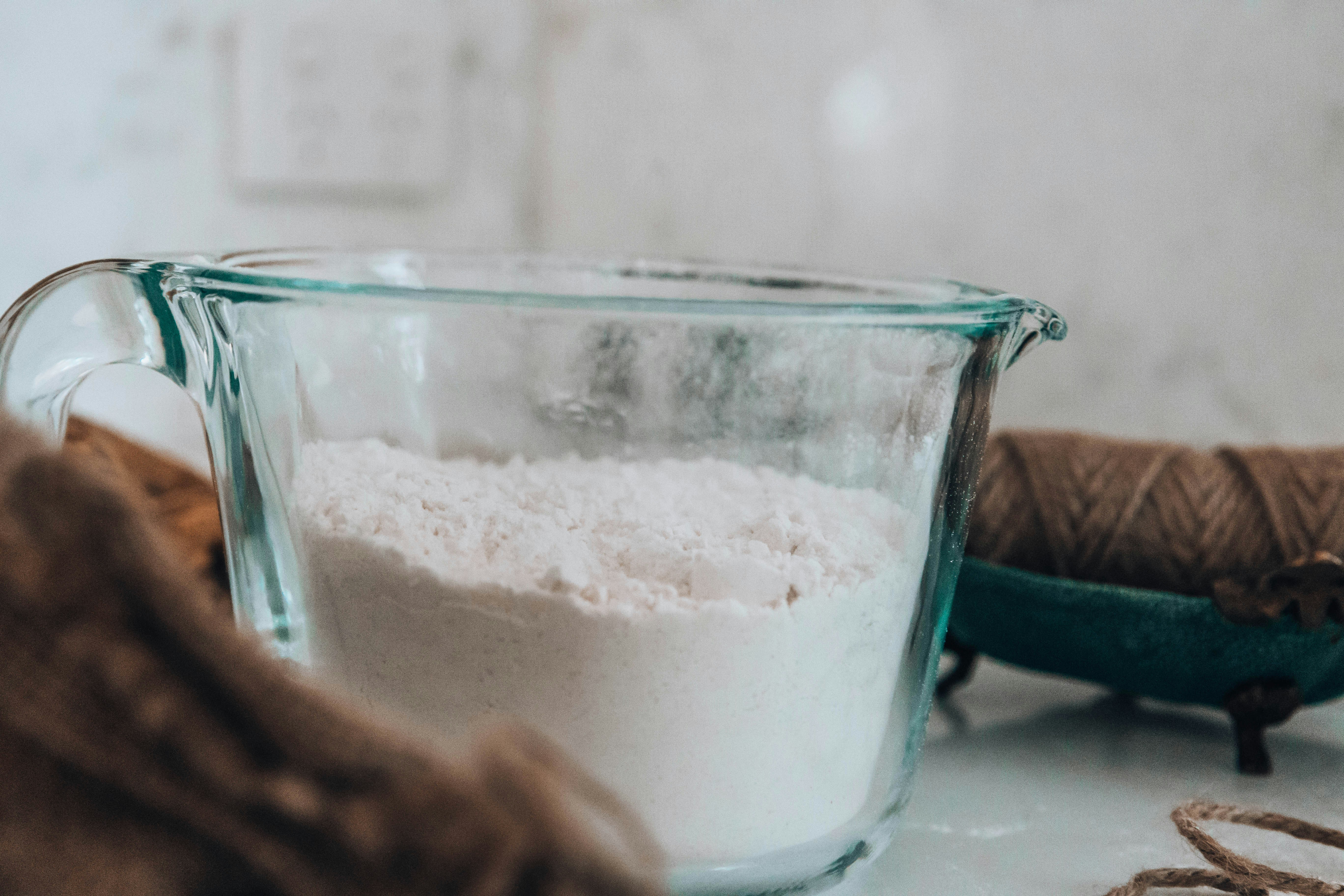

Introduction to Baking Measurements
The precise measurement of ingredients is a cornerstone of successful baking. Unlike cooking, where ingredients can be casually added to taste, baking requires accuracy due to the chemical reactions that occur between components. These reactions are influenced by the proportions of ingredients used, and even a minor miscalculation can lead to significant deviations in the final product, impacting texture, flavor, and appearance.
There are two primary methods for measuring ingredients in baking: weight and volume. Weight measurement, which utilizes a scale, is often regarded as the most accurate method. This technique is particularly beneficial for dry ingredients, such as flour and sugar, which can vary considerably in volume based on how they are packed. Using weight allows for consistent results, as it eliminates the variability caused by differences in measuring techniques.
On the other hand, volume measurement, which involves using cups and tablespoons, is more commonly used in everyday baking contexts, especially in American recipes. While this method can be convenient, it requires careful attention to avoid common pitfalls, such as overpacking or insufficient leveling of ingredients. This can lead to discrepancies in the amount of flour or sugar, which may adversely affect the outcome.
Understanding the distinctions between weight and volume measurements is essential for both novice and experienced bakers. Each method has its merits and can be suitable depending on the specific needs of the recipe. However, comparing the two illustrates the importance of precision in achieving desired results in baked goods. Emphasizing accurate measurements not only ensures a successful baking experience but also supports the development of baking skills over time.
Understanding Baking Ingredients
Baking is an exact science, whereby the ingredients used play a pivotal role in determining the final outcome of the baked goods. Understanding the various types of baking ingredients and their unique properties is essential for any baker aiming to achieve consistent results. The core ingredients of baking typically comprise flour, sugar, fats such as butter, and various liquids.
Flour acts as the foundation in most baking recipes. The type of flour used—whether all-purpose, bread, or cake flour—can significantly influence the texture and structure of the final product. Each type of flour possesses varying protein and gluten content, which must be considered during measurement. For instance, bread flour, with its higher protein content, requires a more precise measurement to ensure adequate gluten formation, leading to a chewier texture.
Sugar is another vital ingredient, contributing sweetness and aiding in browning. Different types of sugar, such as granulated, brown, and powdered sugar, have diverse crystalline structures that can affect volume. When measuring sugar, it is crucial to account for the packing method; brown sugar, for example, should be packed firmly into the measuring cup, unlike granulated sugar, which is typically leveled.
Fats, including butter and oils, influence the moisture and flavor profile of baked goods. The measurement of fats can vary based on whether they are solid or liquid at room temperature. Solid fats should be measured using a dry measuring cup, while liquid fats are best measured in a liquid measuring cup for accuracy.
Liquids such as milk, water, or eggs also require careful measurement, as their proportions directly impact the texture and consistency of the final product. Accurately measuring liquids involves using a clear liquid measuring cup to ensure the correct amount is used. Different recipes may specify measurements in fluid ounces, milliliters, or cups, thus understanding the conversion is crucial for success in baking.
Tools for Accurate Measurement
Accurate measurement is an essential aspect of successful baking. The right tools not only ensure precision but also enhance overall baking performance. Here are the essential tools every baking enthusiast should consider for achieving accuracy in their measurements.
A digital scale is perhaps the most critical tool in any baker’s arsenal. Unlike traditional measuring cups, which can yield varying results based on factors such as packing or moisture in dry ingredients, a digital scale provides precise weight measurements. When selecting a scale, look for one that measures in both grams and ounces, as this flexibility allows for a wider range of recipes to be followed accurately.
Measuring cups and spoons are also vital for ingredient measurement. For dry ingredients like flour or sugar, it is advisable to invest in a set of individual measuring cups designed specifically for such uses, as they can help avoid packing and promote a more accurate measure. Liquid measuring cups, marked with measurement lines, are crucial for wet ingredients. It is important to use a clear cup with measurement indicators to achieve the correct measurement without parallax errors.
Another indispensable tool is a kitchen thermometer, especially for monitoring the temperature of ingredients like butter or eggs, which can affect the texture and flavor of baked goods. Using a thermometer to check oven temperature is also beneficial to ensure that baked items cook evenly and accurately. Choosing a reliable digital thermometer can significantly improve your baking outcomes.
Lastly, investing in high-quality measuring tools not only contributes to more consistent results but also makes the baking process more enjoyable. Look for tools that are durable, easy to read, and versatile in use. By utilizing the right measuring instruments, you will be well on your way to mastering the art of baking.
How to Measure Dry Ingredients
Accurate measurement of dry ingredients is crucial for successful baking, as it ensures the right balance of flavors and textures. The first step in measuring dry ingredients is to use the appropriate tools, such as dry measuring cups for solid ingredients like flour or sugar. It is important to use a cup specifically designed for dry ingredients, as these cups are typically larger and allow for more accuracy than liquid measuring cups.
When measuring by volume, one must fill the measuring cup without compressing the ingredient. This can be achieved by lightly spooning the dry ingredient into the cup. Once filled, the next step is to level off the ingredient with a straight edge, such as a knife or the back of a spatula. This technique is essential, as it removes excess ingredients that could lead to inaccurate measurements.
Another important distinction to understand is the difference between sifted and unsifted measures. If a recipe calls for sifted flour, it is essential to sift the flour before measuring it; doing so adds air, resulting in a lighter and fluffier product. In contrast, if the recipe indicates unsifted flour, measure the flour first and then sift it afterward. This subtlety can significantly impact the final result.
A common mistake when measuring dry ingredients is packing them into the measuring cup. Ingredients like brown sugar may benefit from being packed to achieve the desired density, but others, such as flour and granulated sugar, should remain loose to ensure accuracy. By avoiding packing and ensuring to level off each measurement, bakers can achieve precise ingredient ratios, which is fundamental for successful baking outcomes.
How to Measure Liquid Ingredients
Accurate measurement of liquid ingredients is crucial in baking, as it directly affects the end results. Unlike dry ingredients that can often be measured with scoops and scales, liquid ingredients require a more precise approach to ensure consistency and quality. One of the most effective tools for measuring liquids is a graduated measuring cup, which typically features a spout for easy pouring and visible markings that indicate volume. These cups are commonly made of glass or plastic and are designed to accurately display measurements ranging from small to large quantities.
When using a graduated measuring cup, it is essential to take measurements at eye level. This technique allows the baker to clearly see the liquid’s surface against the measurement markings, thus preventing inaccuracies caused by misreading the scale from above or below. By aligning the meniscus—the curve formed by the liquid surface—with the line of measurement, one can achieve a more precise reading. For example, when measuring water, the bottom of the curve should sit on the desired measurement line.
Furthermore, temperature can significantly affect the volume of liquid ingredients. Heated liquids may expand, while cold liquids can contract, leading to discrepancies in measurement if not taken into account. It is advisable to measure liquids at room temperature whenever possible, as this standardization helps maintain consistency in recipes. Some bakers may utilize kitchen thermometers to ensure liquids are at the appropriate temperature before measurement. By following these best practices for measuring liquid ingredients, bakers can avoid common pitfalls and enhance the overall quality of their baked goods.
Understanding Weight vs Volume Measurements
In the realm of baking, precision is paramount, and understanding the difference between weight and volume measurements can significantly impact the outcome of baked goods. Weight measurements involve quantifying ingredients in grams or ounces, while volume measurements utilize cups, teaspoons, or milliliters to measure the same ingredients. The key distinction lies in the fact that weight measurements provide a more reliable and consistent approach, especially since the density of an ingredient can vary greatly.
For instance, one cup of flour can weigh anywhere from 120 grams to 150 grams depending on how it is scooped or packed. Conversely, when measured by weight, one gram of flour will always be one gram, thereby eliminating discrepancies that arise from how ingredients are packed into a measuring cup. This is particularly crucial for sensitive recipes, such as those for pastries or bread, where accuracy can determine success or failure.
Switching from volume to weight can initially seem daunting. However, many bakers find that investing in a kitchen scale greatly enhances their baking experience. To convert volume measurements to weight, one can use conversion charts available online or verify with specific ingredient density data. For example, a cup of granulated sugar typically weighs about 200 grams, whereas a cup of brown sugar weighs closer to 220 grams when packed. Utilizing this method ensures a more accurate base for recipes, leading to consistently excellent results.
In summary, whether you are a novice baker or an experienced one, adopting weight measurements over volume can provide a more reliable foundation for your baking endeavors. Embracing this shift not only enhances precision but also fosters greater creativity in the kitchen, allowing for more successful baking outcomes.
Adjusting Recipes for Accurate Measurements
When it comes to baking, precise measurements are crucial for achieving the perfect texture and flavor. Adjusting recipes can often be necessary to ensure that the right ingredients are used in the correct quantities. One common task is converting recipes that use volume measurements, such as cups and tablespoons, into weight measurements, like grams and ounces. Weight measurements tend to provide greater accuracy, as they measure the actual mass of ingredients rather than the space they occupy.
To perform this conversion, bakers can utilize standard weight equivalents for various ingredients. For example, one cup of all-purpose flour typically weighs around 120 grams, while granulated sugar weighs approximately 200 grams per cup. Digital kitchen scales can facilitate this process, allowing bakers to weigh their ingredients directly, minimizing the risk of error associated with measuring cups.
In addition to ensuring accurate ingredient measurements, it is essential to consider environmental factors such as altitude and humidity, which can impact baking outcomes. Baking at high altitudes may require adjustments in certain ingredients or techniques. For instance, lower air pressure can affect the leavening process, prompting bakers to increase oven temperature or decrease sugar and leavening agents. Meanwhile, in humid conditions, ingredients like flour may absorb moisture from the air, requiring one to reduce the liquid content in the recipe to maintain the proper balance.
Moreover, when adapting recipes, it is essential to keep track of the changes made. Documenting adjustments allows bakers to replicate successful outcomes in future baking endeavors. Such attention to detail not only fine-tunes baking skills but also fosters a deeper understanding of ingredient behavior in varied conditions, elevating the overall baking experience.
Common Measuring Mistakes to Avoid
Baking is both an art and a science, requiring precision to achieve the best results. However, common measuring mistakes can hinder the baking process and produce undesirable outcomes. One prevalent mistake is using the wrong measuring tool. For dry ingredients, it is essential to utilize dry measuring cups, while liquid ingredients should be measured with liquid measuring cups. Using the incorrect tool can lead to inconsistent measurements, which may affect the texture and taste of baked goods.
Another mistake is the technique used while measuring ingredients. For instance, when measuring flour, it is crucial to avoid scooping directly from the bag or container, as this can compact the flour and result in an excess amount being used. Instead, the proper method involves fluffing the flour first, spooning it into the measuring cup, and leveling it off with a straight edge. This technique ensures an accurate measurement, promoting a successful baking result.
The temperature of ingredients plays a significant role in baking. Ingredients such as butter, eggs, and dairy should generally be at room temperature unless specified otherwise in the recipe. Cold ingredients can affect the emulsion and mixing process, leading to inconsistent batter or dough. It’s advisable to set these ingredients out ahead of time to reach the desired temperature before beginning the mixing process. This practice aids in achieving a smooth batter, ultimately enhancing the final product.
Furthermore, bakers should be cautious of estimating measurements. Relying on visual appearance as opposed to precise measuring can lead to discrepancies that may be detrimental to the final outcome. Utilizing calibrated scales for measurement can add an additional layer of accuracy, especially in recipes that require higher precision.
By being mindful of these common measuring mistakes and employing suitable tools and techniques, bakers can greatly improve their outcomes and create delightful baked goods consistently.
Conclusion and Best Practices
In the realm of baking, accuracy in ingredient measurement is paramount. The success of baked goods often hinges on the precision with which ingredients are measured. Ingredients like flour, sugar, and liquids can greatly affect the texture and flavor of the final product. Therefore, adopting best practices in measuring these components is crucial for both novice and experienced bakers alike.
One of the fundamental best practices is to use the appropriate measuring tools. For dry ingredients, it is advisable to use dry measuring cups and a scale for more precise measurements. Liquid ingredients should be measured with liquid measuring cups, which typically have a spout for easy pouring. Furthermore, it is important to understand how to properly fill these measuring instruments, ensuring levels are neither packed down nor heaped excessively.
Another best practice involves understanding the importance of weighing ingredients. Using a digital kitchen scale can eliminate variability due to differences in cup sizes or inconsistency in ingredient packing. This allows for more reliable and repeatable results, which are especially beneficial in recipes where precision is crucial.
Additionally, taking the time to sift or aerate dry ingredients prior to measuring can also improve accuracy, as this reduces the likelihood of clumping and a denser final product. It’s essential to remember that precise measurement enhances not only the texture but also contributes to the overall flavor profile of baked items.
Embracing these measuring techniques will lead to improved baking outcomes. By prioritizing measurement accuracy, bakers can enjoy greater consistency and successful results in their culinary endeavors. Ultimately, the art of measuring ingredients correctly can transform baking from a simple task into a rewarding creative process.